
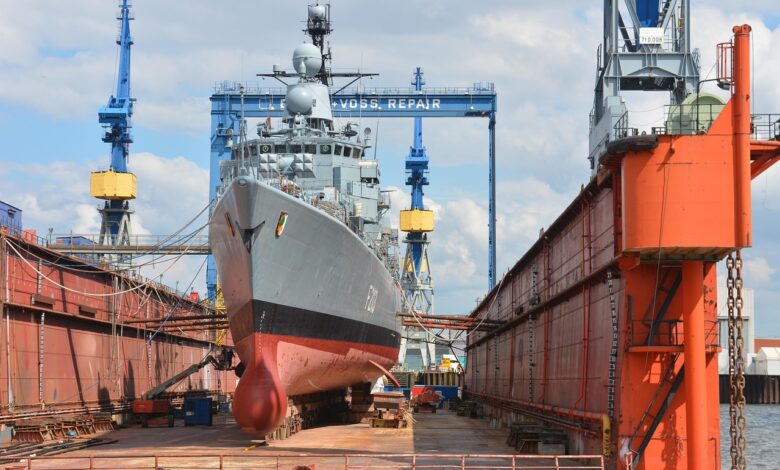
According to Libyan military officials affiliated with the self-styled Libyan National Army, which controls the eastern and southern regions of the fractured state, the Merkury was struck by two explosive-laden sea drones. The officials, who spoke on condition of anonymity, stated that an initial investigation indicated the drones were launched from a base in western Libya, a region under the control of the United Nations-supported government. During the engagement, Libyan forces intercepted and destroyed at least four other drones before the two remaining craft impacted the warship.
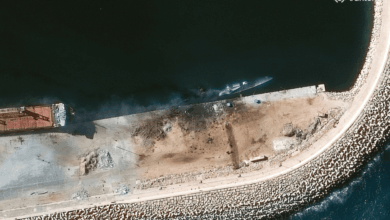
The Merkury, a corvette of the Russian Black Sea Fleet, had docked at the Benghazi base for refueling and resupply under a maritime cooperation agreement between Russia and Libya’s eastern-based government. The attack triggered a fire at the facility, which was later extinguished. While the eastern government did not initially specify the cargo or full technical status of the vessel, satellite evidence confirms the ship’s catastrophic failure. Ten individuals, including Russian and Libyan nationals, sustained minor injuries in the blast; medical sources indicated that ten Libyan port workers were treated in moderate condition, while the broader casualty count included crew and personnel at the base.
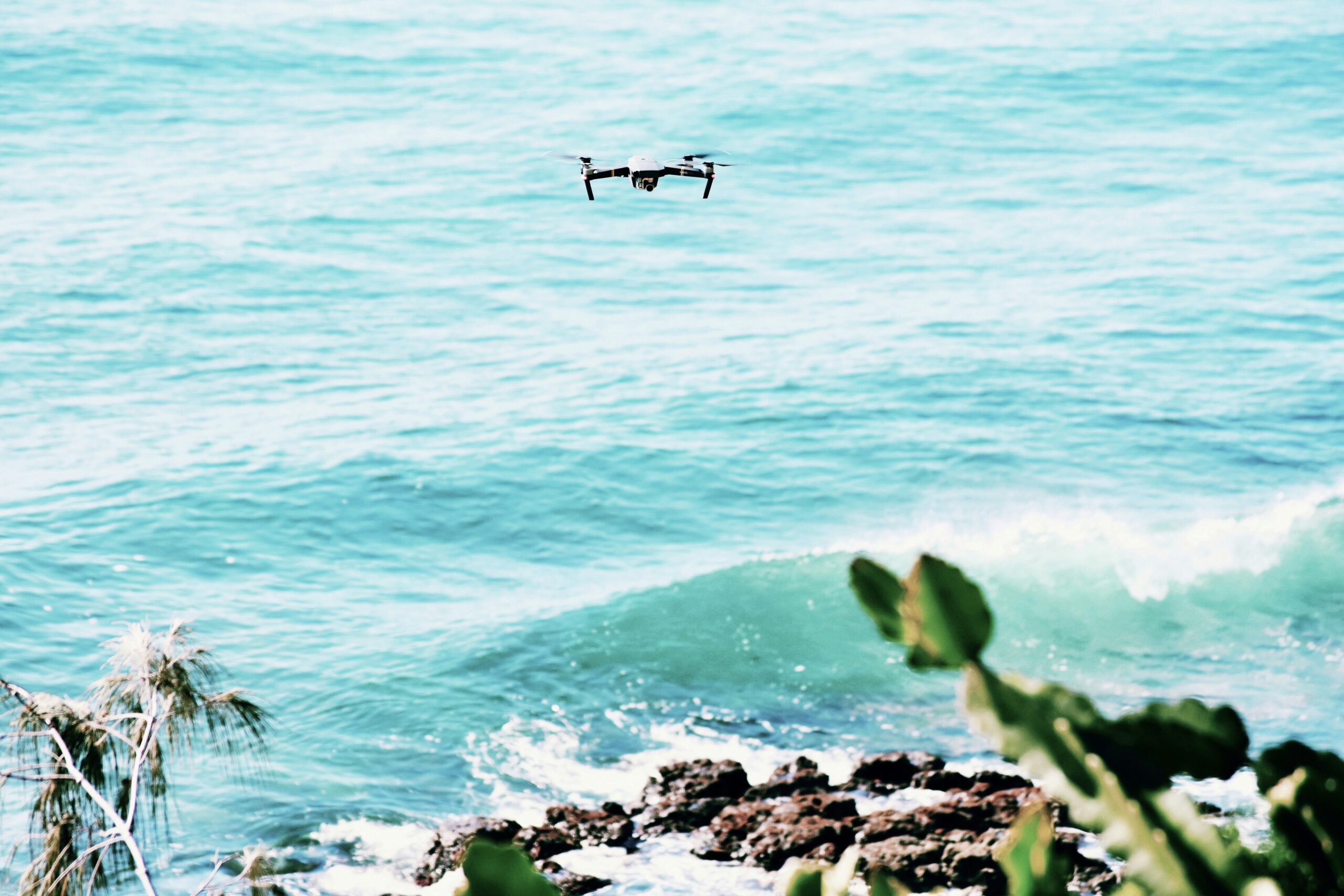
The incident is not an isolated event but part of a broader pattern of maritime drone activity in the region. Hours after the strike on the Merkury, a second drone attack targeted a Maltese-flagged commercial ship off the coast of Benghazi. Libyan naval and air forces reported intercepting more than 20 drone boats in the vicinity that evening. The crew of the commercial vessel was evacuated, and some members sustained minor injuries but remained in stable condition. Local broadcasters affiliated with eastern Libyan forces, including Al-Masar and Libya Al-Hadath, explicitly described the remotely operated explosive boats as Ukrainian.
Libya’s political landscape adds a layer of complexity to the incident. Since the NATO-backed uprising in 2011 toppled Muammar Gaddafi, the country has been divided between a rival administration in the east and the UN-backed government in Tripoli. This oil-rich nation has long served as a focal point for rivalry between Russia and the West. The presence of a Russian warship in a port controlled by the eastern government underscores the depth of Moscow’s cooperation with that faction. The attack, therefore, is not merely a military engagement but a direct challenge to the security guarantees provided to Libya’s eastern authorities by their Russian partners.
In response, Prime Minister Osama Hamad of the eastern-based government submitted a formal request to the United Nations General Assembly and Security Council for an international investigation. Hamad sought to determine the source of the attacks and inquired about the possible presence of Ukrainian military experts in Libya. A joint investigation has also been launched with Russia to “uncover the circumstances of the attack, its source, and the party behind it.” The western government expressed concern over the “involvement of Libyan ports and civilian objects in external conflicts,” though specific details of their operational response remain undisclosed.
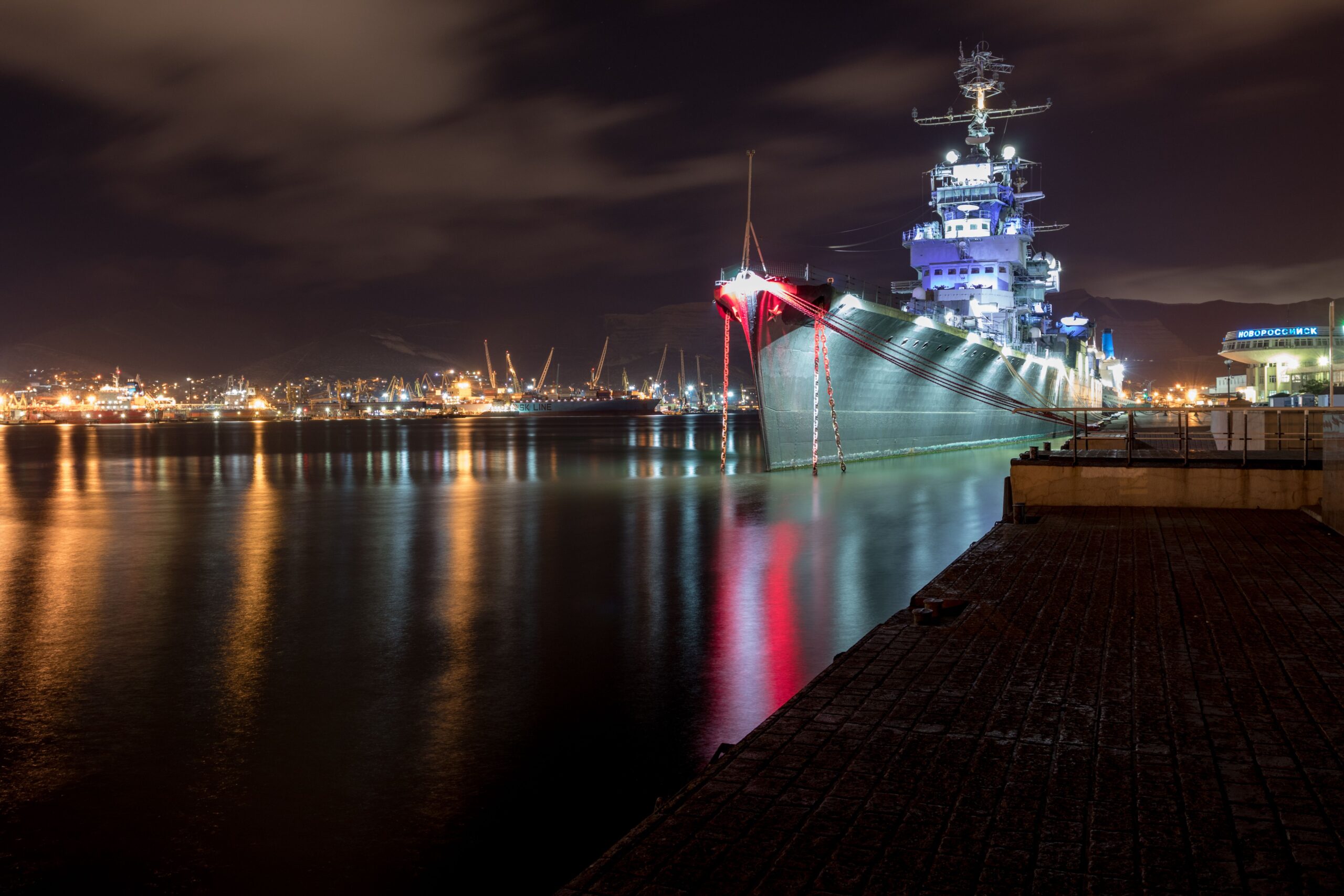
Neither the Russian nor Ukrainian governments provided immediate operational comments or claimed responsibility for the strikes. The absence of official confirmation leaves the precise launch sites and command structures behind the drones as matters of ongoing investigation. However, the technical profile of the attack—using sea drones to target a fixed, docked asset—suggests a strategic shift in how maritime threats are projected. The use of unmanned surface vessels allows for long-range strikes without the risk of manned aircraft or naval vessels, exploiting the fragmented nature of Libyan governance to project power across the Mediterranean.
The sinking of the Merkury represents a tangible loss for the Russian Navy and a significant security breach for its Libyan partner. As the joint investigation proceeds, the incident highlights the vulnerability of naval assets in ports that are politically contested or geographically distant from their home fleets. The next confirmed development will likely depend on the findings of the UN-mandated inquiry and whether either Moscow or Kyiv issues a formal statement clarifying their operational posture in the Mediterranean.


One Comment