
The court’s decision states that the soldier had a clear obligation to protect national sovereignty, leading to the removal of criminal liability for the use of force. While the specific details of the confrontation remain limited in public records, the ruling underscores the legal framework governing Polish forces in border security operations. This outcome comes as Polish authorities navigate a complex security environment marked by both irregular migration pressures and direct state-sponsored military threats from the east.
Security tensions along Poland’s borders have escalated significantly in recent weeks. On September 28, 2026, a Russian jet-powered unmanned aerial vehicle (UAV) struck a location approximately two kilometers from the Dorohusk border crossing in Ukraine. Polish Defense Minister Władysław Kosiniak-Kamysz confirmed that while Polish airspace was not violated, the proximity of the strike triggered heightened readiness for Polish aircraft and air-defense systems. Operations at Lublin and Rzeszów airports were temporarily suspended, and sirens sounded in Lublin Voivodeship as residents received government warnings regarding the air threat.

Recurring strikes create persistent risk zone
Lt. Col. Jacek Goryszewski, spokesman for the Operational Command of the Polish Armed Forces, identified the September 28 incident as the third similar Russian strike in the Yahodyn–Dorohusk area. Officials indicated that these recurring attacks are transforming the border region into a persistent zone of military risk, rather than representing isolated spillover effects from the war in Ukraine. The pattern suggests a deliberate strategy to impose operational and economic costs on NATO members without physically crossing the alliance’s borders. Each strike triggers a cascading response, including the evacuation of road border crossings at Dorohusk and Zosin, the activation of military aviation, and the shifting of border services to emergency procedures.
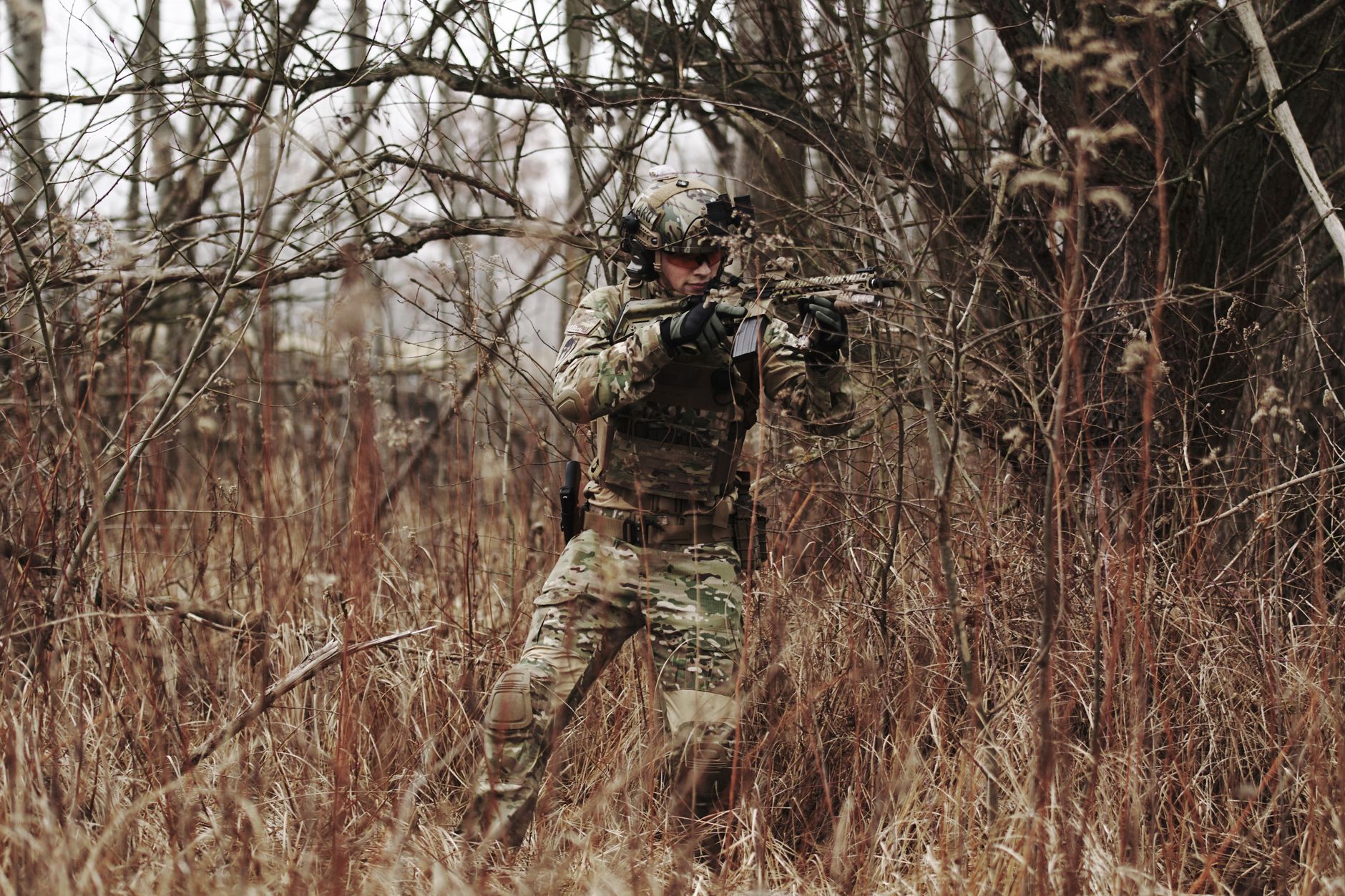
Polish Prime Minister Donald Tusk highlighted the threat of sabotage during a Visegrad Group meeting in Slovakia. Tusk stated that Polish and Ukrainian security services had averted a “direct threat” to a border crossing overnight, though he did not specify the location or the nature of the plot. He warned that Poland should prepare for further provocations, noting that Russia had previously carried out similar attacks on infrastructure in Moldova. Tusk also disclosed receiving intelligence from U.S. officials regarding potential developments on the EU’s eastern flank, emphasizing the need for preparedness against scenarios involving sabotage and infrastructure targeting.
Simultaneously, the Belarusian border has seen increased activity related to irregular migration. Polish border guards recorded 25 attempted illegal crossings between Friday and Sunday of a recent reporting period. In one incident, 16 individuals attempted to climb the border fence and behaved aggressively toward a patrol, throwing branches before most retreated into Belarus. The remaining individuals were detained. These incidents, combined with the military threats from the east, illustrate the multifaceted security challenges facing Polish border forces. The next critical development will likely involve further intelligence on the averted sabotage plot and the continuation of Russian drone activity near the NATO eastern flank.
