The incident resulted in five confirmed fatalities: three students and one teacher at the elementary school, along with the 16-year-old suspect. According to authorities, the victims killed were children aged 5, 8, and 11, and a teacher. Two additional victims were transported to nearby hospitals in unknown conditions. These individuals include a 7-year-old student and a 54-year-old teacher. The suspect, identified as a 16-year-old Bend resident, was killed during the confrontation with the community member.
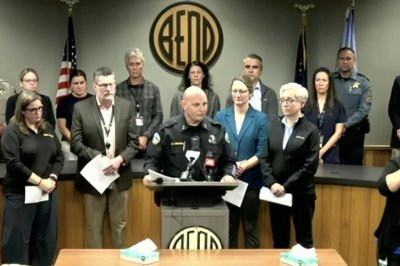
Silver Rail Elementary School serves students from kindergarten through fifth grade. According to the Oregon Department of Education, the school had 459 enrolled students as of last year. The tragedy occurred in Bend, a city located more than 100 miles southeast of Portland. Sheila Miller, the communications manager for the Bend Police Department, provided details on the timeline during a news briefing, confirming the sequence of events from the initial report of shots fired to the arrival of officers and the subsequent discovery of the suspect’s body.
The legal and procedural implications of the incident are currently under investigation. The primary legal questions surrounding the case involve the actions of the community member who killed the suspect. In jurisdictions across the United States, laws governing the use of force by private citizens, often referred to as “stand your ground” or self-defense statutes, vary by state. Oregon law generally permits the use of reasonable force in self-defense or in defense of others, but the specific circumstances of the pursuit and the fatal shooting will determine whether the act was legally justified. The presumption of innocence applies to any individual involved in potential legal proceedings, but in this instance, the suspect is deceased, meaning that criminal charges cannot be brought against them. Instead, the focus shifts to the potential civil or criminal liability of the party who killed the suspect, should it be determined that the force used was not legally justified.
Law enforcement agencies are expected to conduct a thorough investigation into the cause and motive of the shooting, as well as the circumstances leading to the death of the suspect. This includes reviewing witness statements, physical evidence, and any available surveillance footage. The determination of the suspect’s death as a homicide by a third party, rather than a suicide, is a critical finding that influences the direction of the legal inquiry. If the community member’s actions are deemed lawful self-defense, no criminal charges would likely be filed against them. However, if the force used is deemed excessive or unjustified, legal consequences may follow. The investigation must also address the initial report of shots fired into a car, which may have been a precursor to the school shooting or a separate incident that escalated into the tragedy.
The impact of the shooting on the school community is profound. The loss of three young students and a teacher has raised urgent questions about school safety, security protocols, and the response to active shooter situations. The fact that a community member intervened and stopped the suspect before law enforcement could fully secure the scene highlights the critical role civilians may play in such emergencies, while also underscoring the complex legal risks associated with intervening in violent situations. The two victims transported to the hospital, a 7-year-old student and a 54-year-old teacher, remain in unknown condition, and their recovery will be a key factor in the broader narrative of the incident’s consequences.
As the investigation continues, the legal system will need to balance the need for accountability with the complexities of self-defense law. The death of the 16-year-old suspect means that the criminal justice process cannot address their actions through prosecution, but the civil courts may still hear claims related to the injuries and deaths of the other victims. The community member who killed the suspect may face scrutiny from prosecutors, but the initial finding that the suspect was dead upon the arrival of police suggests a rapid and decisive end to the threat. The next confirmed legal step will likely involve the completion of the police investigation, the release of a formal report on the cause of death, and a review of the school’s emergency response protocols to determine if any legal or regulatory actions are necessary to prevent future incidents.
The incident serves as a stark reminder of the pervasive issue of school violence in the United States. While the specific legal proceedings have not yet been defined, the facts established by authorities—five dead, two injured, and a suspect killed by a civilian—frame a legal landscape where the focus is on justifying the use of lethal force by a private citizen in the defense of others. The community of Bend is left to grapple with the immediate grief of the loss of life and the ongoing uncertainty regarding the legal and administrative outcomes of the investigation.