
This regulatory shift occurs against a backdrop of renewed concern over Nipah virus infection, a zoonotic disease that has triggered airport checks across Asia after India confirmed two new cases. While Singapore does not currently have a reported outbreak of Nipah, the country’s history with the virus informs its current precautionary measures. The last known outbreak in Singapore occurred in 1999, linked to the importation of sick pigs from Malaysia. Since then, no new outbreaks have been reported in either Malaysia or Singapore, though the virus continues to circulate in parts of South Asia and Southeast Asia.
Nipah virus is primarily transmitted from animals to humans, with fruit bats of the family Pteropodidae identified as the natural reservoir. The virus can also spread through contaminated food, such as raw date palm juice, or directly between people through close contact with bodily fluids. This human-to-human transmission capability poses a particular risk in healthcare settings, where inadequate infection prevention and control measures can facilitate spread among patients and caregivers.
Clinical manifestations of Nipah virus infection range from asymptomatic cases to severe acute respiratory illness and fatal encephalitis. The incubation period typically ranges from three to 14 days, though rare cases have reported incubation periods of up to 45 days. Common symptoms include fever, headache, confusion, difficulty breathing, and cough. Severe disease is particularly associated with neurological symptoms, which can progress to brain swelling. According to the World Health Organization (WHO), while most survivors make a full recovery, long-term neurologic conditions have been reported in approximately one in five recovered patients.
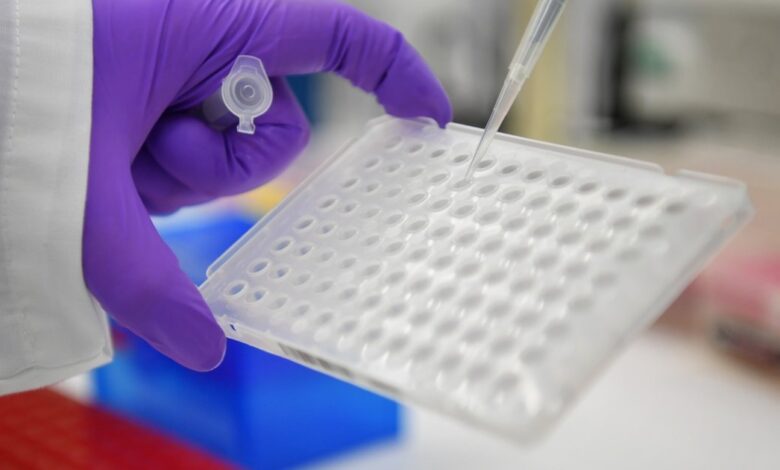
Diagnosis relies on laboratory testing, primarily real-time polymerase chain reaction (RT-PCR) of respiratory samples, blood, or cerebrospinal fluid. Because samples from suspected cases pose a biohazard risk, testing must be conducted under maximum biological containment conditions by trained staff in suitably equipped laboratories. This high level of containment is necessary to protect laboratory personnel and prevent accidental release of the virus.
Currently, there are no approved specific treatments or vaccines for Nipah virus infection. Management of the disease focuses on high-quality supportive care, which is critical for reducing mortality. Early diagnosis allows for the initiation of this supportive care, which may include intensive monitoring and treatment of complications such as respiratory failure or encephalitis. The WHO has identified Nipah virus as a priority disease in its Research and Development Blueprint, with a range of candidate products under various stages of development, though none have yet reached clinical approval.
Prevention strategies focus on reducing the risk of transmission from animals and contaminated food. The WHO recommends measures such as protecting food sources from fruit bats, boiling fresh date palm juice, and thoroughly washing and peeling fruits before consumption. Fruits showing signs of bat bites should be discarded. In agricultural settings, particularly in areas where the virus is present, protecting pig sheds from bats and implementing strict cleaning and disinfection protocols are essential. During past outbreaks, culling of infected animals and restricting animal movement from infected farms have been implemented to contain the spread.
For individuals experiencing Nipah-like symptoms, early referral to a health facility is crucial. Public health guidelines advise avoiding close unprotected physical contact with sick people and maintaining regular hand hygiene. Healthcare workers are urged to implement standard precautions for infection prevention and control at all times, including the use of personal protective equipment, proper cleaning and disinfection, and strict hand hygiene. These measures are particularly vital in crowded or poorly ventilated hospital environments where the risk of nosocomial transmission is elevated.
The expansion of surveillance in Singapore for CCHF, Lassa fever, and Marburg virus disease reflects a broader global trend toward enhanced preparedness for emerging infectious threats. By integrating the monitoring of these high-consequence pathogens into the national surveillance framework, Singapore aims to detect potential cases early, thereby enabling rapid response and containment. This approach is consistent with the WHO’s recommendations for strengthening surveillance activities, clinical management, and laboratory services in at-risk countries.
As the region grapples with the recent Nipah cases in India, the interplay between zoonotic spillover, human-to-human transmission, and the lack of specific therapeutics remains a significant public health challenge. The absence of licensed vaccines or targeted antiviral treatments means that prevention and early supportive care remain the cornerstones of management. Continued research, international cooperation, and robust surveillance systems are essential to mitigate the risk of larger outbreaks and to reduce mortality associated with these severe viral infections.
The next critical step in this public health landscape involves the ongoing evaluation of candidate vaccines and therapeutics under the WHO’s R&D Blueprint, alongside sustained surveillance efforts across Asia to detect and respond to any further instances of Nipah virus or other high-consequence pathogens. The efficacy of these combined preventive and surveillance strategies will be tested as global health authorities continue to monitor the epidemiological situation closely.