
This localized crisis in Pennsylvania is part of a broader national pattern. In 2026, the United States has recorded more than 4,000 cases of measles, a figure that far exceeds the 2,289 total confirmed cases seen in 2025 and marks the highest incidence in three decades. The data points to a clear epidemiological driver: nearly all cases in these ongoing outbreaks are among unvaccinated individuals. In Minnesota, for instance, the Department of Health has recorded 42 cases in 2026, already surpassing the 26 cases reported in the entirety of 2025. Two unrelated outbreaks have emerged since mid-September in the rural counties of Fillmore and Todd, with every person who contracted the virus in these recent incidents being unvaccinated.
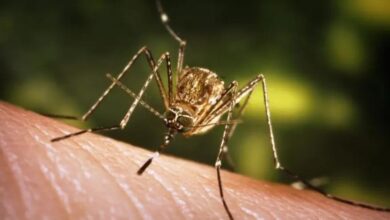
The medical urgency of this situation is underscored by the virus’s high transmissibility. Measles spreads when an infected person coughs or sneezes, releasing the virus into the air where it can remain active on surfaces or in the air for up to two hours. According to the National Foundation for Infectious Diseases, as many as 9 in 10 people who are not immunized will contract the virus after close contact with an infected person. The clinical progression is well-documented: early symptoms such as fever, cough, runny nose, and watery eyes appear seven to 14 days after exposure. This is followed by the development of Koplik spots inside the mouth and, subsequently, the characteristic blotchy head-to-toe rash. A person is contagious from four days before the rash appears until four days after it emerges.
While many individuals survive the infection, the complications are severe. Approximately 1 in 5 unvaccinated Americans who contract measles are hospitalized, a rate reflected in state data from Pennsylvania. Complications can include pneumonia, encephalitis (brain swelling), deafness, intellectual disability, and death. Federal guidelines identify young children under five, pregnant women, and individuals with weakened immune systems as being at the highest risk for these severe outcomes. There are currently no federally approved antiviral treatments or medications for measles, making prevention through vaccination the primary medical defense.
The resurgence of measles is occurring against a backdrop of declining routine vaccination rates. In Minnesota, the number of kindergartners with non-medical vaccine exemptions has risen sharply since 2020. For the 2025-2026 school year, 6.8% of kindergartners in the state had a non-medical exemption, compared to the national rate of 4%. Consequently, only about 86% of Minnesota kindergartners have received the MMR vaccine, the third-lowest rate in the nation. This trend mirrors the national decline that has allowed the virus to re-establish itself in communities where herd immunity is insufficient.
Public health officials in New York State are facing similar challenges, with indications that the outbreak may be more widespread than official counts suggest. In upstate communities, including Otsego and Seneca counties, officials believe many cases are going unreported as the disease spreads rapidly through unvaccinated populations. In some areas, entire households have been found to be infected, highlighting the speed at which the virus can move through densely connected, unimmunized groups.
The federal response to this crisis has been complicated by shifting policy landscapes. Under the leadership of Health and Human Services Secretary Robert F. Kennedy Jr., the federal government has made changes to the childhood vaccination schedule, which were later blocked by a judge, and has cut funding to vaccine development projects. While Kennedy has described the MMR vaccine as the “most effective way to prevent the spread of measles,” his administration has stopped short of supporting a federal mandate. This regulatory environment has coincided with a rise in vaccine skepticism, which health experts argue is a key factor in the current proliferation of cases.
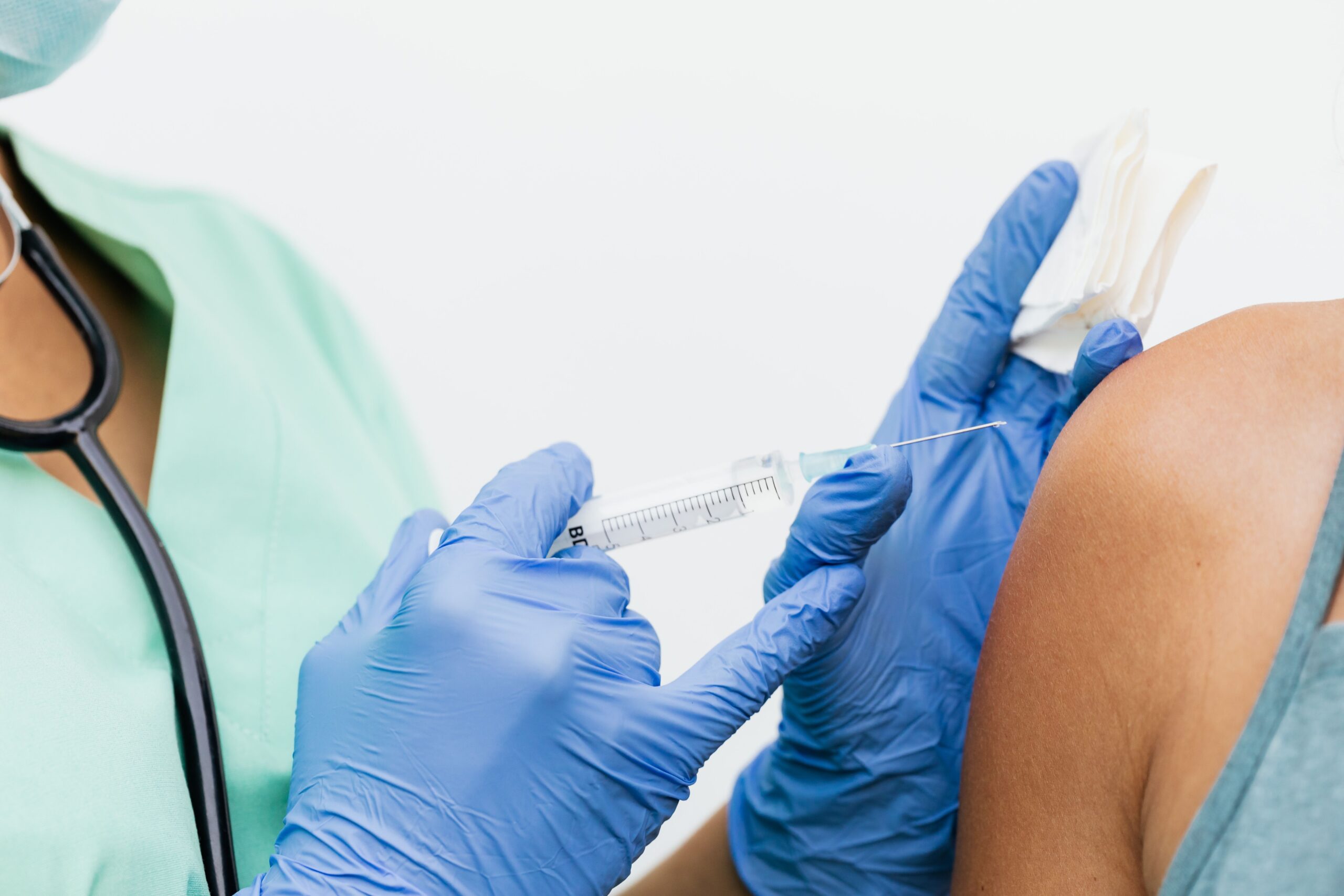
As the fall and winter months approach, health departments across the country are urging individuals to check their vaccination status. The MMR vaccine is available for people of any age, and generally, one dose is sufficient for adults to protect against the virus. For children, two doses are required before kindergarten, unless a medical exemption is filed. The next critical development will be the continuation of state-level surveillance and vaccination campaigns aimed at halting community transmission in the affected counties, as the U.S. works to prevent this 2026 surge from becoming the new baseline for a disease once considered eliminated.