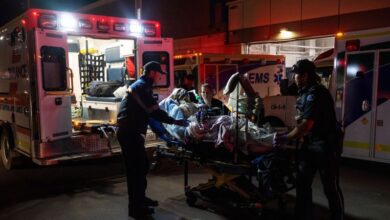
Miami-Dade Fire Rescue reported that one individual was rushed to a trauma center with severe injuries. Seven others were transported to area hospitals via ambulance for treatment. Avianca confirmed that the affected individuals included three crew members and six passengers. The airline stated that unhurt passengers were rebooked on other flights to continue their journey to New York. “The safety of our customers and employees is, and will remain, the foundation of our operations,” Avianca said in a statement.
Serious injuries from in-flight turbulence are relatively rare, but aviation scientists and industry groups indicate they may be becoming more frequent as climate change alters the jet stream. The International Air Transport Association (IATA) reported that the number of reports it received regarding turbulence incidents surged by more than 25 percent in the previous year. This trend aligns with scientific assessments that a warmer atmosphere increases the speed and variability of the jet stream, creating stronger shear layers that cause severe clear-air turbulence.
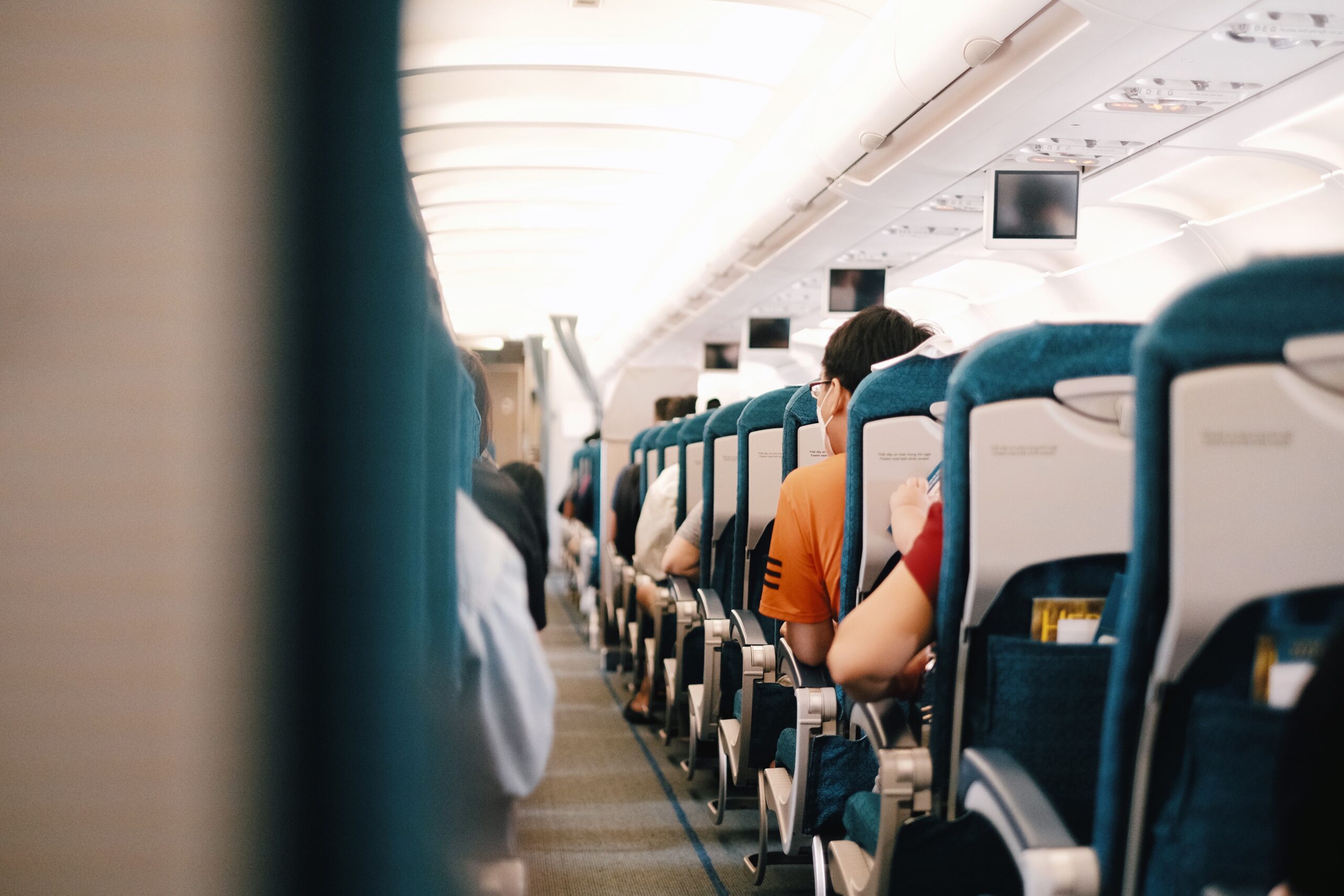
The incident follows a series of high-profile turbulence events that have drawn regulatory and public attention. Last summer, 24 people were hospitalized after a Delta Air Lines flight encountered turbulence caused by a thunderstorm over Wyoming. The National Transportation Safety Board (NTSB) found that passengers and flight attendants were thrown into the ceiling with enough force to crack interior panels. At the time of that incident, the seat belt sign was off, and beverages were being served. At least 20 passengers have since filed lawsuits against Delta, arguing the airline could have avoided the severe weather.
In a separate recent incident, Air India confirmed that 12 people were wounded on Tuesday after flight AI2379, an Airbus A320 traveling from Phuket, Thailand, to Delhi, encountered turbulence that caused the plane to drop approximately 300 feet. Ten passengers and two crew members were taken to a medical center at Delhi’s Indira Gandhi International Airport for evaluation. Air India stated that there were no serious injuries and that the investigation into the altitude change is ongoing. Local media reports indicated some damage to the aircraft.
The FAA recommends that passengers remain seated and buckled whenever possible to protect against unexpected turbulence. While individual events are often attributed to specific weather phenomena like thunderstorms, the broader pattern of increasing severity and frequency is increasingly linked to long-term atmospheric changes. Aviation authorities and airlines continue to monitor data to improve forecasting and operational procedures in response to these evolving conditions.