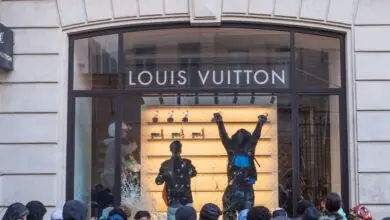
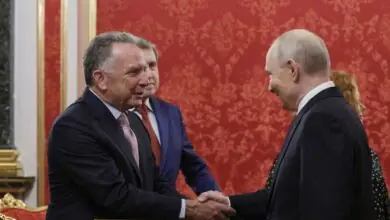
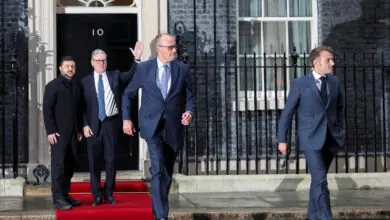
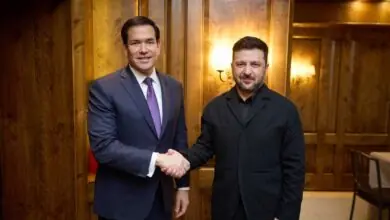
President Emmanuel Macron, speaking from Doha after a meeting with Qatari Emir Sheikh Tamim bin Hamad Al Thani, addressed the aftermath of these events with a clear directive: those planning to “cause chaos” would not be allowed to do so. Macron stated that he would consult with French intelligence services ahead of new protests planned for the following Saturday, signaling a heightened state of vigilance. While he insisted that there had been no “visible foreign interference” in the events themselves, he warned that “foreign manipulation of information” had occurred in the days following the demonstrations. This distinction is crucial for understanding the current political landscape, where the narrative surrounding the protests is as contested as the economic conditions that sparked them.
The driver of this unrest is primarily economic. Protesters have denounced high living costs and demanded better conditions in schools, reflecting a broader anxiety about household budgets and social infrastructure. The Yellow Vest movement, a group known for its opposition to perceived inequities, has filed plans for a large protest in Paris this weekend. This comes after a second consecutive night of curfews passed without major incidents, suggesting that while the immediate risk of widespread rioting may have subsided, the underlying grievances remain unresolved.
The government’s response combines legal and security measures. Prime Minister Sébastien Lecornu has pledged a “massive deployment” of police, backed by the military, to ensure security at future protests. Macron stated that a state of emergency was not currently necessary, but he emphasized that he would “adopt all the measures necessary” to restore what he described as “calm, security and order.” In the Paris courts, the identities of approximately 300 suspects from Saturday’s riots are emerging, a process that may lead to further legal proceedings and a clearer picture of the specific actors involved in the violence.
Complicating the domestic narrative is the intervention of foreign political figures. Macron criticized “unacceptable and even stupid comments by many, including foreign leaders,” who he accused of trying to exploit the disorder for their own political agendas. His comments appeared to target U.S. President Donald Trump, who claimed the protests were centered on immigration, and Israeli Prime Minister Benjamin Netanyahu, who described France as being engulfed by an “invasion of extremist Islam.” Neither leader provided evidence to support these characterizations. Macron’s rebuke highlights the tension between internal social unrest and external geopolitical maneuvering, where domestic crises are sometimes reframed through foreign political lenses.
The political fallout within France is also intensifying. The far-left France Unbowed party has promised legal action against the French government, challenging the administration’s claim that the radical left was responsible for the degeneration of peaceful protests into riots. This legal challenge underscores the dispute over the nature of the unrest: whether it is a legitimate expression of economic distress or the work of radical elements seeking to destabilize the state. The distinction matters not only for public perception but for the legal and security strategies the government will employ in the coming weeks.
As the country prepares for another round of demonstrations, the focus remains on the intersection of economic pressure and public order. The data shows a significant participation rate—over half a million protesters—indicating that the cost-of-living crisis has broad support, even if the tactics of some groups have turned violent. The government’s strategy relies on a visible security presence to deter further disorder while addressing the root causes of the discontent. The outcome of the next protest will be critical in determining whether the cycle of unrest can be broken or if it will continue to escalate, driven by the persistent gap between public expectations and economic reality.
The next few days will be watched closely by both domestic and international observers. The coming Saturday’s protest offers a direct test of the government’s security deployment and its ability to manage the narrative. Meanwhile, the legal proceedings against the 300 identified suspects will provide a concrete framework for accountability. For now, the balance of power in the streets and the courts remains precarious, with the cost of living serving as the common thread connecting the varied demands of the French public.