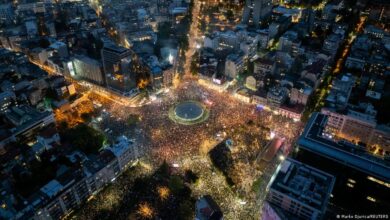
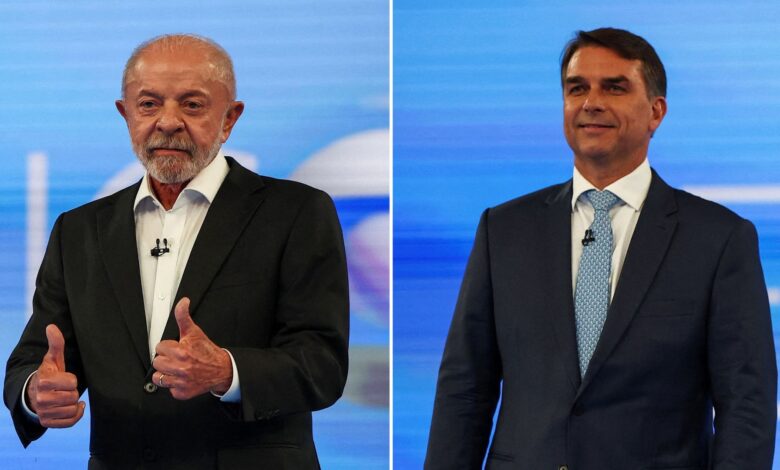
The central development in this election cycle is the virtual tie reported by the PoderData polling institute, which projects 50% voter backing for each candidate ahead of the decisive runoff scheduled for October 25. This parity follows a volatile final week of campaigning. Earlier in the week, three separate polls had suggested a razor-thin lead for Bolsonaro, who had secured 47% of the vote in the first round held on October 4. Following that initial result, Bolsonaro’s campaign scaled back its street campaigning, confident in its strong numbers. However, Lula’s team responded with a surge of nationwide mass rallies and a dynamic social media presence that shifted momentum back to the incumbent. In response, Bolsonaro has once again mobilized his base, staging major rallies across the country to counter the left-wing offensive.
This contest is not merely a choice between two individuals, but a continuation of the political axis that has shaped Brazil for the past decade. Lula, a former trade union leader, serves as the face of the Brazilian left, a movement credited with overseeing a historic period of commodity-fueled growth and poverty reduction during his first two terms from 2003 to 2011. His principal opponent, Flávio Bolsonaro, is a 45-year-old lawyer and former senator from Rio de Janeiro, representing the far-right bloc. The stakes are heightened by the personal history of the Bolsonaro family; Flávio’s father, former President Jair Bolsonaro, is currently serving a 27-year prison sentence for masterminding a failed coup after his defeat in the 2022 election. Jair Bolsonaro has endorsed his son’s campaign, with the stated hope of regaining his freedom should the right-wing ticket prevail.
The institutional mechanics of the Brazilian presidency place immense weight on this final stretch. Brazil’s president is directly elected, with each ballot counting equally and no electoral college involved. If no candidate surpasses 50% of valid votes in the first round, a second runoff is held three weeks later between the top two pollers. Opinion polls suggest no other candidate is close to the frontrunners, but the lack of a clear leader in the October 25 runoff predictions indicates a highly contested outcome. The winner will take power on January 5, 2027. Crucially, constitutional limits mean that if Lula wins, he will not be able to stand for office again in 2030, making this potentially his final term. Conversely, a victory for Flávio Bolsonaro would solidify the far-right’s grip on power and potentially alter the trajectory of the nation’s judicial and legislative landscape.
Geographically, the outcome may hinge on Minas Gerais, a mountainous mining and agricultural state larger than France with 21 million inhabitants. Historically, Minas Gerais serves as Brazil’s bellwether; since democracy returned in the 1980s, no candidate has won the presidency without triumphing there. In 2018, Jair Bolsonaro defeated Lula’s candidate by more than 1.7 million votes in the state and went on to win the presidency. In 2022, Lula reclaimed Minas Gerais by a margin of fewer than 50,000 votes while securing the nationwide race. This historical pattern suggests that whoever wins Minas will likely win the election, making it the focal point of final campaign efforts.
The political positions of the two camps remain starkly different. Lula champions national dignity and promises transformative progress, leveraging his track record of poverty reduction. Flávio Bolsonaro, meanwhile, focuses his messaging on tackling crime and implementing economic reform. The polarization between these two blocs has been so profound that it has led to the disappearance of significant centrist parties, a trend noted in the aftermath of the first round where Bolsonaro’s right-wing bloc won many additional seats in Congress, primarily at the expense of the center. This structural shift in Congress, combined with the presidential race, creates a complex governance environment for the incoming administration, regardless of the winner.
Uncertainty remains regarding the final vote count, given the tied polls and the recent shifts in momentum. While Lula’s rallies demonstrated vibrant supporter engagement, Bolsonaro’s initial lead in the first round and the broader congressional gains by his bloc suggest a resilient right-wing base. The final days of the campaign will determine whether Lula’s ability to mobilize the masses can overcome the structural advantages and institutional support of the Bolsonaro faction. As the clock ticks down to the October 25 runoff, the Brazilian electorate is poised to make a decision that will reshape the nation’s future, with the outcome resting on the ability of either side to convert their respective strengths in the key states into a national mandate.