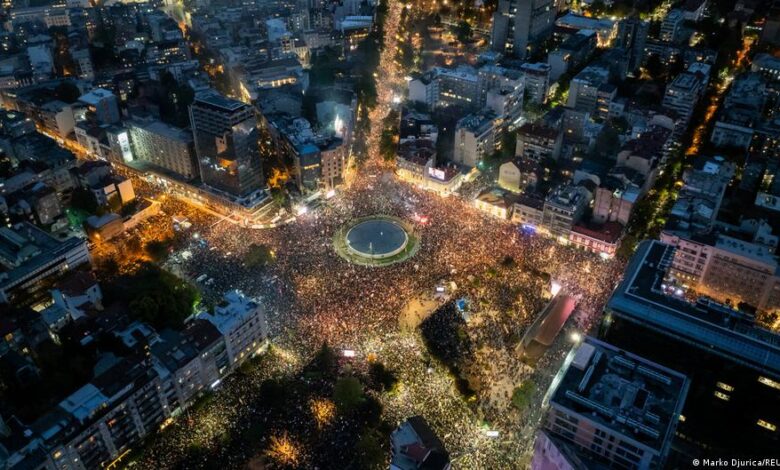
The movement was sparked by the collapse of a concrete canopy at the Novi Sad railway station in November 2024, which killed 16 people. The disaster became a symbol of institutional failure, galvanizing public discontent into an electoral campaign. Political scientist Dusan Spasojevic told DW that these are the first elections since Aleksandar Vucic came to power in 2012 that are competitive and uncertain, with polls suggesting the Student List could secure more than 40% of the vote. In contrast, the SNS held its own final rally, framing the vote as a battle for stability and sovereignty against foreign-backed chaos. Vucic accused opponents of serving foreign interests, stating, “They tried to destroy our country on foreign orders, and that is why this is the hardest battle.”
The campaign has been overshadowed by allegations of irregularities and violence. The independent election-monitoring organization CRTA recorded 116 incidents of physical violence or verbal threats in the final week, including attacks on campaigners and surveillance of opposition activists. CRTA also reported a significant imbalance in media coverage, noting that almost three-quarters of national television airtime featured government representatives, while over 80% of coverage regarding the Student List was negative. Furthermore, the Balkan Investigative Reporting Network (BIRN) published testimony from a former SNS member alleging that public-sector employees were pressured to deliver votes. Anonymous sources told DW that voters were offered between €30 and €150 to support the SNS, with some families reportedly offered holiday packages.
Concerns persist regarding the fairness of the electoral process and the potential for post-election crisis. Authorities have warned of planned violence by students, leading to arrests on suspicion of plotting disturbances. Spasojevic noted that polls suggest a narrow margin, which could lead to a contested result if the ruling party wins slightly. He emphasized that the international response, particularly from the European Union, will be crucial in preventing escalation. An EU Commission spokesperson acknowledged that key recommendations for improving Serbia’s electoral framework remain unimplemented, stressing that democracy and the rule of law are central to Serbia’s EU accession process, a status it has held since 2012. The Student List has vowed to defend every vote, setting the stage for a potentially tense election night if results are disputed.