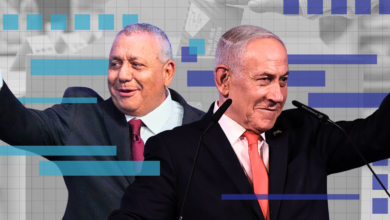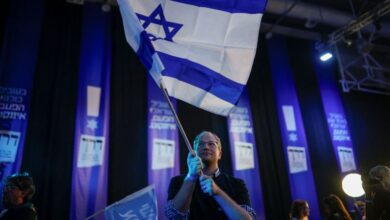

At approximately 3 a.m. local time, Prime Minister Netanyahu addressed his supporters at the National Congress Centre. While the prime minister’s appearance signaled confidence in the direction of the count, the absence of a confirmed majority underscores the fragility of the current political situation. In Israel’s parliamentary system, the President tasks the leader of the largest bloc or the one most likely to form a stable coalition with the duty to negotiate. Without a clear majority of 61 seats, this process becomes significantly more complex, relying on negotiations with smaller parties who hold balance-of-power leverage.
The uncertainty surrounding the final tally highlights the high stakes of this electoral contest. For citizens and international observers, the delay in official results prolongs a period of political ambiguity. The Knesset serves as the sole legislative body of the state, with the power to enact laws, approve the national budget, and supervise the government. Consequently, the composition of the new parliament will directly determine the direction of public policy, security strategy, and economic governance in the coming term.
It is important to distinguish between the current projections and official, certified results. While the trend appears favorable for the right-wing bloc, political analysts and reporting agencies, including France 24, emphasize that no conclusion should be drawn until the final counts are verified. The margin between victory and failure in such elections is often narrow, hinging on the performance in specific constituencies or the allocation of seats under Israel’s proportional representation system. This system ensures that parties receive seats in proportion to their share of the national vote, provided they cross the electoral threshold, which can lead to fragmented parliaments where no single party holds a majority.
The immediate next step in this political process depends entirely on the final seat distribution. If Netanyahu’s bloc crosses the 61-seat threshold, he will likely begin immediate coalition-building talks with partners within his camp. If the bloc falls short, the President of Israel will need to assess which other party leader has the best chance of assembling a governing coalition. This could involve center-left parties or religious parties, depending on their final seat counts and their stated willingness to cooperate with the prime minister or his rivals.
For the public, the delay in results extends the period of uncertainty regarding future legislative priorities. Key issues such as judicial reform, security policy, and economic regulation are all subject to debate and potential change depending on which coalition emerges. The lack of a clear winner at this stage means that the political strategy of various factions will focus on maximizing their leverage during the upcoming negotiation phase, a period that can last several weeks under Israeli law.
As of the latest reports, the situation remains fluid. The primary actors involved are the Prime Minister, the leaders of the opposing coalition, and the President of Israel, who holds the formal authority to assign the task of government formation. The integrity of the electoral process and the subsequent stability of the new government will be determined by the final numbers and the subsequent diplomatic maneuvers among party leaders.
Observers will closely monitor the next few hours for the official declaration of results. Until then, any claims of victory or defeat remain speculative. The focus now shifts from the electoral campaign to the legislative and executive machinery of the state, where the real work of governance begins. The outcome will define the political trajectory of Israel for the next term, with significant implications for domestic stability and international relations.