The incident unfolded in the early hours of Wednesday morning. According to Transport Minister Óscar Puente, a computer malfunction in the LZB (Lindemann-Zugbeeinflussung) signaling system occurred at approximately 8:30 a.m. The LZB system is designed to automatically halt trains if the line ahead is occupied. Following the malfunction, six trains were automatically stopped, including the Iryo service, which remained stationary near Urda.
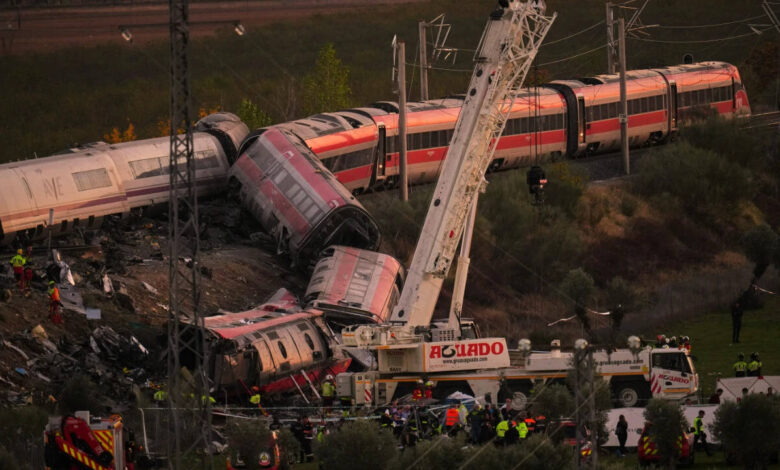
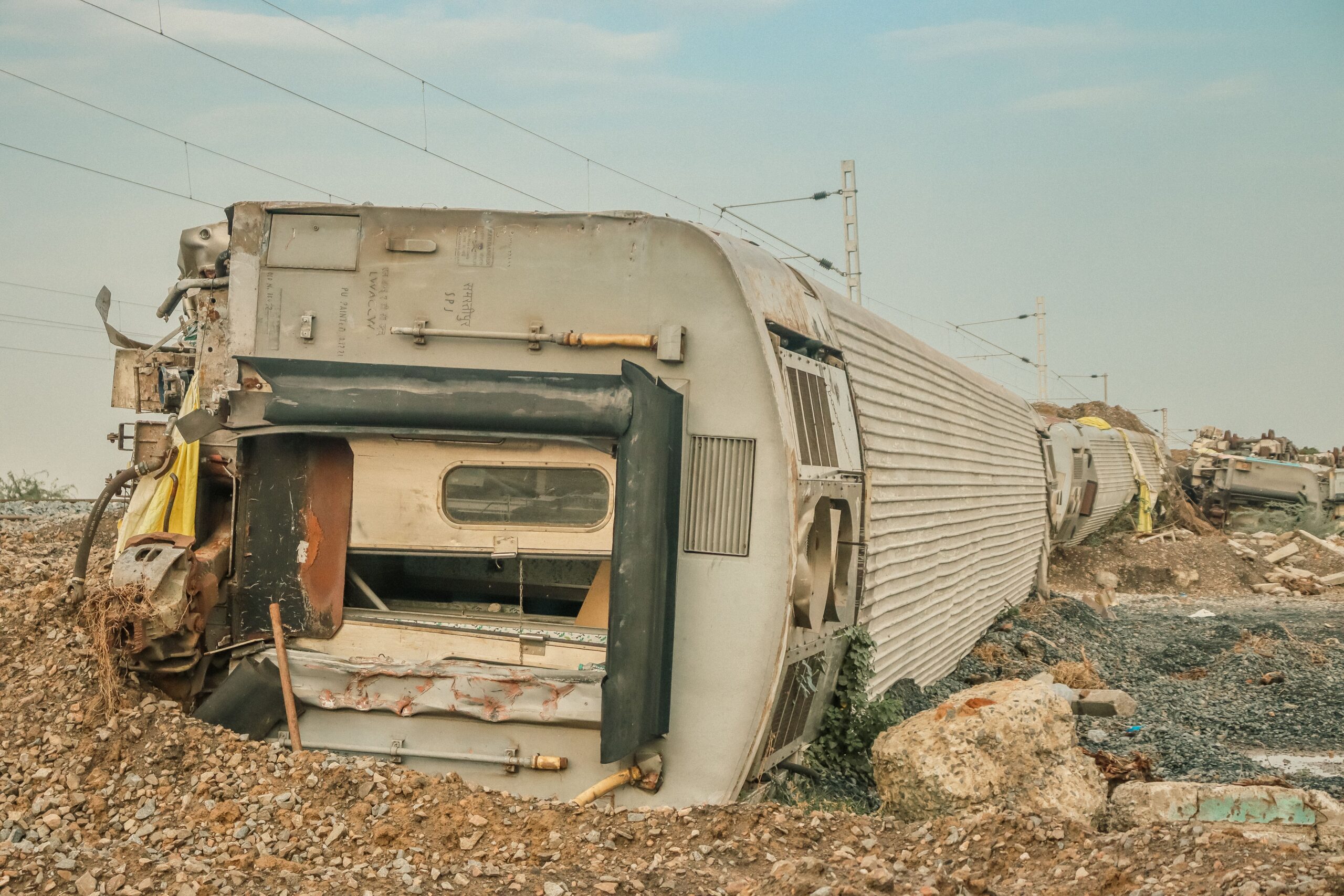
Authorities state that the tragedy resulted from a subsequent decision by the Madrid-based 24-hour command center. Despite the red signal and the presence of the stationary Iryo train, operators at the center authorized the Renfe train to continue its journey at normal speed. Puente described the decision to resume traffic under these circumstances as “inexplicable” and “clearly a wrong decision.” The impact of the collision, occurring at speeds estimated between 160 and 200 km/h, derailed at least three carriages, sending them down a gravel slope. The force of the impact knocked multiple carriages off the tracks, resulting in catastrophic structural damage.
Emergency services responded immediately, deploying cranes and canine units to search for survivors and victims in the twisted wreckage. By Thursday, 53 people remained hospitalized, with 15 in critical care. Police have appealed to families to provide DNA samples to aid in the identification process. Former Spanish employment minister Fatima Banez, who had been missing since the crash, has been confirmed among the dead. The Transport Ministry initially reported a provisional death toll of 74 late Thursday afternoon before revising the figure back to 69. Three days of national mourning have been declared.
The collision has reopened a fierce national debate regarding the safety of Spain’s high-speed rail network, the largest in Europe, which carried 45 million travelers last year. The tragedy follows a similar disaster in January, when a derailment and collision in Adamuz, Córdoba, killed 46 people and injured 122. That incident also involved high-speed trains operated by the same two companies on the same line. Prime Minister Pedro Sánchez, who visited the crash site, stated that it is “not acceptable for a country like Spain to endure two high-speed train accidents in the same year.” He pledged to strengthen security measures to ensure such tragedies do not recur, emphasizing that authorities are working to clarify every detail of the incident.
Experts and officials are now focused on the interplay between automated safety systems and human oversight. Fulvio Lopane, an assistant professor in transport planning at Northeastern University London, noted that two fatal accidents on the same line in a single year “demand full, transparent answers.” While he acknowledged that rail remains one of the safest modes of transport in Europe, he stressed that statistical safety records do not minimize the specific tragedy faced by victims’ families. Data from the European Commission, cited by the International Railway Safety Council, indicates that the risk of death for a train passenger in the EU is approximately 0.09 fatalities per billion kilometers, compared to 2.52 for car occupants and 36.41 for motorcyclists.
Investigations are currently examining the specific failure of the LZB system and the protocols followed by the control center operators. The center’s decision to override the automated stop command remains the central point of inquiry. As the investigation proceeds, Renfe has suspended train services between Madrid, Ciudad Real, and Andalusia. The next critical step involves the formal release of the technical report on the signaling malfunction and the regulatory review of human-factor protocols in Spain’s rail control centers, which are expected to inform new safety mandates across the European rail network.