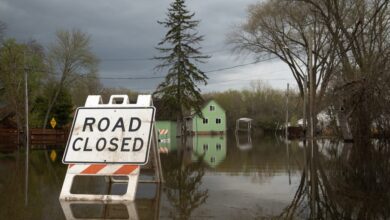
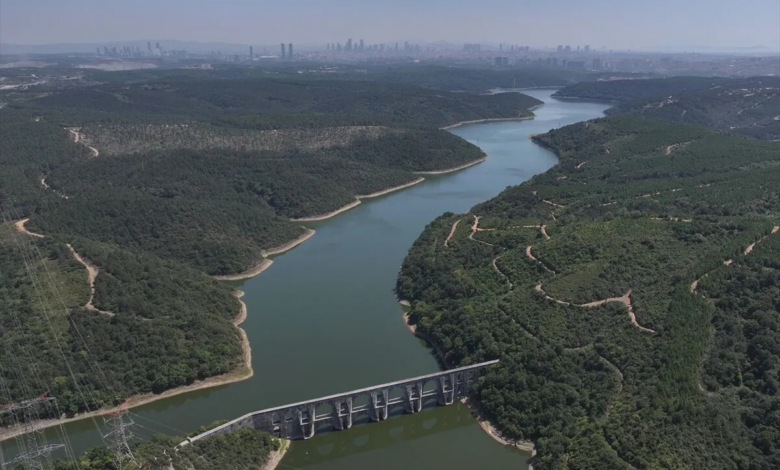
The reservoir levels began climbing after heavy rainfall started on the evening of October 13, 2026, and intensified on October 14. According to the Istanbul Metropolitan Municipality, the city recorded some of its heaviest rainfall in 84 years, with the northern district of Beykoz receiving 277.1 kilograms of rainfall per square meter—the highest amount recorded since 1942. Rainfall in other northern districts, including Sarıyer, Eyüpsultan, and Arnavutköy, ranged between 130 and 277 kilograms per square meter, nearly four times the long-term October average for the city.
The intense precipitation caused significant flooding across the metropolis. Official reports confirm at least five deaths in Istanbul and one in the neighboring province of Kocaeli, with at least two individuals reported missing in Istanbul. While the water levels have improved, the distribution across the city’s ten main reservoirs remains uneven. Elmalı (77.48%), Darlık (75.75%), and Alibey (75.03%) reached the highest levels, while Pabuçdere and Kazandere remained critically low at 3.58% and 8.08%, respectively.
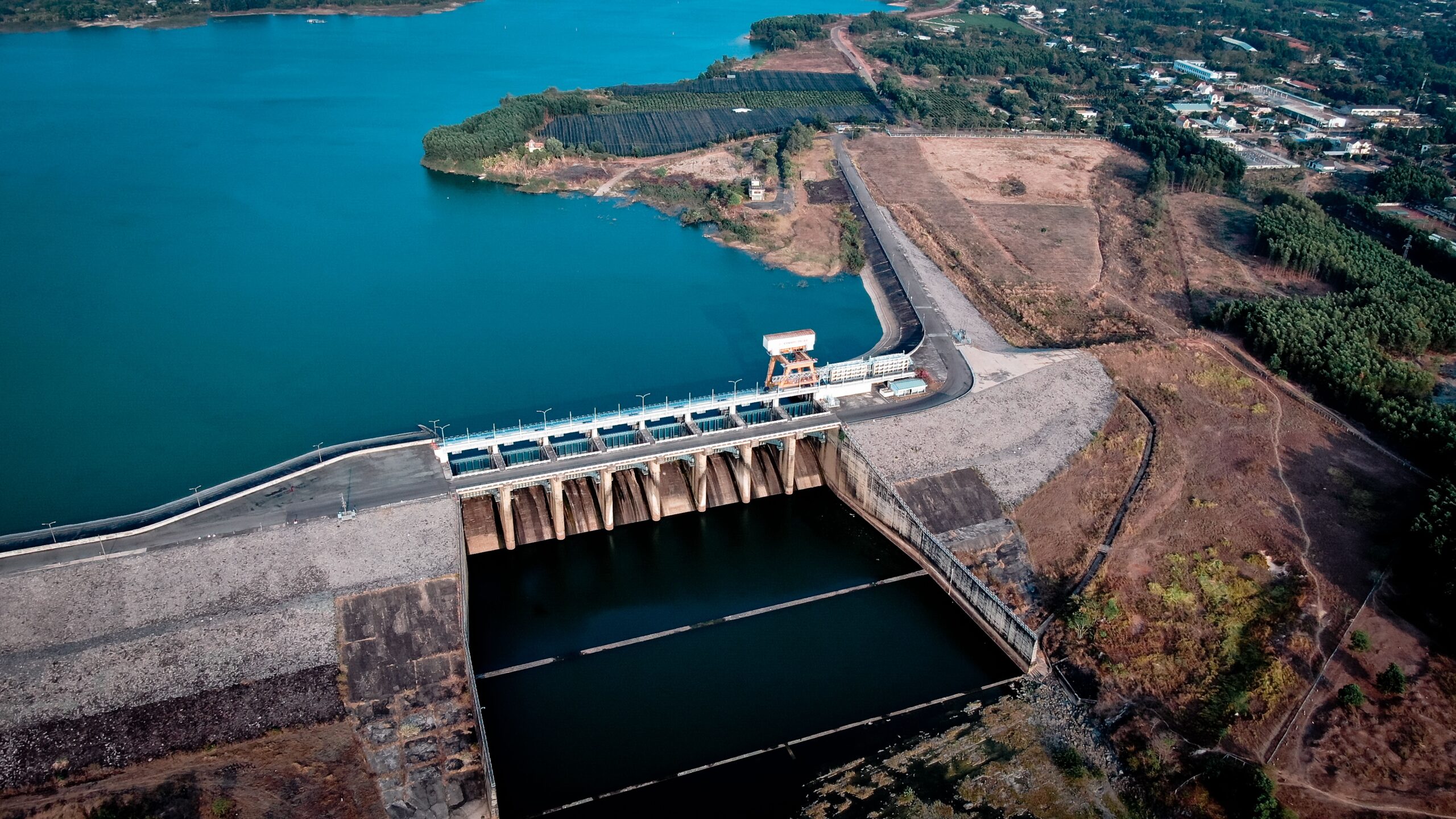
Dr. Güven Özdemir, a meteorology engineer at Istanbul Aydın University, noted that the drought affecting Turkey was evident from April, with rainfall deficits across the Marmara, Aegean, and Mediterranean regions. He warned that the recent rain does not guarantee long-term security. “We were hopeful for rain in September and October, but unfortunately, most areas… saw little to no precipitation,” Özdemir stated. He emphasized that without significant rainfall in December and January, Istanbul faces a high risk of serious water shortages, as the city’s reservoirs currently hold only about 176 million cubic meters of water against a maximum capacity of 868.7 million cubic meters.
Historical data highlights the volatility of the city’s water supply. In November 2025, the overall fill rate was 20.29%, down from 23.08% in 2023 and 27.49% in 2024. Kazandere Reservoir, which dropped to 1.97% in late 2025, and Pabuçdere, at 3.89%, illustrate the severity of the prior deficit. The current recovery to 52.43% places the October 2026 level third-highest for that date in the past decade, behind only 2017 and 2018. As the winter season progresses, İSKİ and local meteorologists will continue to monitor precipitation patterns to assess whether the reservoirs can sustain the city’s demand through the dry summer months.