
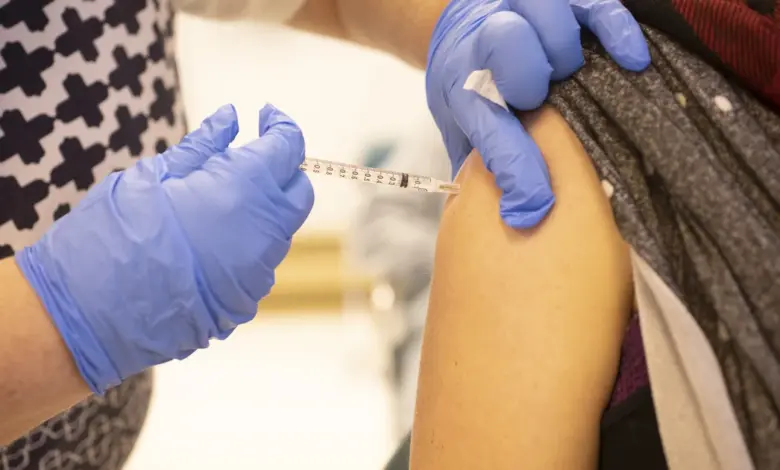
Over 22,000 claims related to COVID-19 vaccines have been filed under the Vaccine Damage Payment Scheme (VDPS), with the majority concerning the AstraZeneca jab. However, only about 1% of these claims have resulted in compensation payouts. The VDPS, established in 1979, provides a one-off tax-free payment of £120,000 if severe disability is medically proven on the balance of probability. An NHS spokesperson stated that the complexity of the contract and the time required for public sector procurement contributed to the prolonged engagement, while a law professor noted the contract’s “peculiar” nature, suggesting a cap on claims might have been more appropriate given the initial uncertainty.
These administrative challenges occur against a backdrop of international legal and regulatory developments regarding the AstraZeneca vaccine. In the United States, a three-judge panel of the US Court of Appeals for the Tenth Circuit ruled that the Public Readiness and Emergency Preparedness (PREP) Act provides blanket immunity from contract claims for vaccine manufacturers. The court reversed a district court ruling but sent the question of whether AstraZeneca waived this immunity via informed consent forms back to the lower court. Meanwhile, in Europe, regulatory authorities previously paused the vaccine’s rollout in ten countries, including Germany, France, and Italy, following reports of blood clots. At the time, Europe’s top drug regulator stated there was “no indication that vaccination has caused these conditions,” and AstraZeneca reported that the incidence of deep vein thrombosis and pulmonary embolism was lower than expected in the general population.

While the UK focuses on the mechanics of compensation, similar issues of delay and transparency have been reported elsewhere. In Australia, claimants have described the government compensation scheme as “torturous,” with some waiting more than four years for outcomes. Medical negligence lawyers have noted that many clients face financial hardship and significant mental health issues while their claims remain unresolved. In the UK, the money paid to Crawford is distinct from the compensation awarded to claimants; the total awarded to those injured or bereaved so far is approximately £30m, significantly less than the £48m paid to the assessors. As the NHS transitions to a new contractor, the efficiency and cost-effectiveness of processing the remaining claims under the current contract will be under close scrutiny.
The financial performance of AstraZeneca, however, shows resilience, with the company reporting a 23% rise in profit after tax to $3.12 billion for the July to September period, driven largely by its cancer treatments. This sharp increase contrasts with the historical focus on its pandemic vaccine portfolio. For those affected by vaccine injuries, the immediate next step involves the operational handover to the new UK assessment firm, while legal precedents in the US continue to shape the liability landscape for pharmaceutical manufacturers globally.