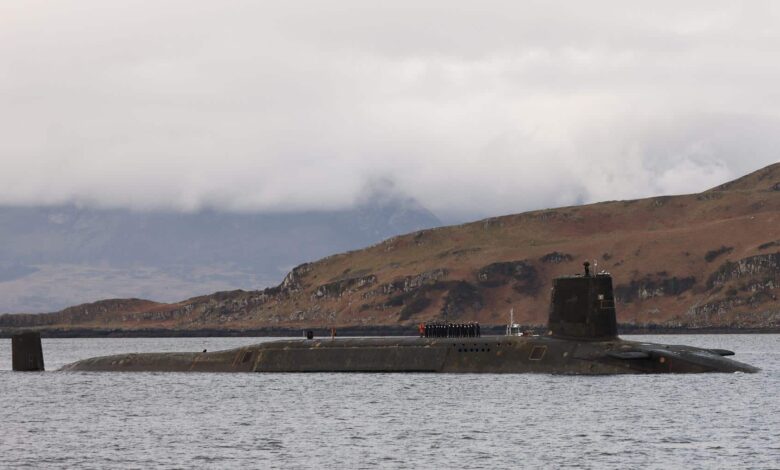
Vanguard, the lead boat of the class, entered Devonport in December 2015. The overhaul was originally scoped for four years and an estimated cost of £200 million. However, the work extended to seven and a half years. During this period, the UK’s four-boat deterrent force operated with effectively three available vessels, reducing the margin for error in maintaining the guarantee that at least one nuclear-armed submarine is on patrol at all times. The delay was precipitated by the need to refuel the submarine’s reactor core, a task that was not originally planned for the class’s design life.
The technical crux of the delay involved the replacement of the reactor core. When Vanguard underwent her first major overhaul, she was fitted with Core H, a newer generation of fuel intended to last the remainder of the vessel’s working life. According to Navy Lookout, an independent defense tracker, no plan existed for refueling a Core H vessel when the submarines were designed. The necessity for the refuel arose after a land-based test reactor in Scotland, which is tested under conditions more rigorous than those experienced at sea, revealed signs of minor leaks in the fuel cladding. The cladding is the thin metal skin that encases the uranium fuel. Although no leaks were found in the operational submarines, the findings necessitated a cautious approach to Vanguard’s refueling, turning a standard maintenance task into a complex, first-of-kind engineering operation.
The Vanguard-class submarines are the largest vessels ever built for the Royal Navy, measuring approximately 492 feet in length and displacing 15,900 metric tons (roughly 17,500 short tons) when submerged. These ballistic missile submarines (SSBNs) carry the Trident II D5 ballistic missile, which remains the backbone of the UK’s nuclear deterrent. The class has faced multiple operational incidents that have compounded the strain on the fleet. Notably, on the night of February 3 to 4, 2009, Vanguard collided with the French SSBN Le Triomphant while submerged in the Atlantic. The incident occurred because both vessels were operating at such low acoustic signatures that they failed to detect one another. While France initially attributed the damage to a submerged object, the subsequent confirmation of the collision between two allied nuclear submarines raised questions about operational transparency and the inherent risks of maintaining a “quiet” deterrent force.
The operational tempo required to maintain the CASD has increased as the fleet has aged. Vanguard recently returned from a patrol lasting 204 days, a record-length deployment that reflects the reduced availability of the fleet. Such extended patrols place significant physical and psychological demands on crews, who must maintain readiness for a mission that has never been allowed to lapse since 1969. The oldest Vanguard is now 33 years old, against a design life of 25 years. The class is expected to push toward 37 years of service before relief arrives, unless the replacement program accelerates.
The strategic consequence of these delays is a widening gap between the current fleet and its successor, the Dreadnought class. The first steel for the lead Dreadnought was cut in 2016, but the vessel is not expected to conduct its first deterrent patrol until approximately 2032. This timeline represents a span of roughly 16 years, nearly double the build time of Vanguard itself and four times the duration required for the first Resolution-class submarine in the 1960s. The Dreadnought class features the PWR3 reactor and shares a common missile compartment with the US Navy’s Columbia class, designed to carry the life-extended Trident II for decades. However, these future capabilities do not mitigate the immediate operational risks faced by the aging Vanguard fleet.
Each year of delay in the Dreadnought program translates directly into additional years of overhauls for worn-out vessels and longer patrols for exhausted crews. The industrial base that supports the Royal Navy’s submarine fleet has struggled to manage the complexity of the refits, with the 89-month duration of Vanguard’s LOPR serving as a tangible indicator of this strain. While the boats and their crews have maintained the deterrent line through record deployments and successful missions, the structural support around them has been tested by schedule risks and logistical challenges.
The next critical milestone for the UK’s nuclear deterrent is the continued delivery of the Dreadnought class. Until the lead vessel becomes operational, the Royal Navy must manage the remaining three Vanguard-class submarines with extreme precision. The focus now shifts to whether the industrial capacity can be restored to reduce refit times for the remaining boats and whether the Dreadnought program can meet the 2032 target, a deadline that is increasingly viewed as a race against the mechanical and human limits of the current fleet.