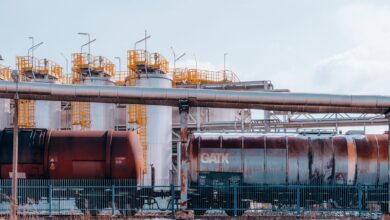
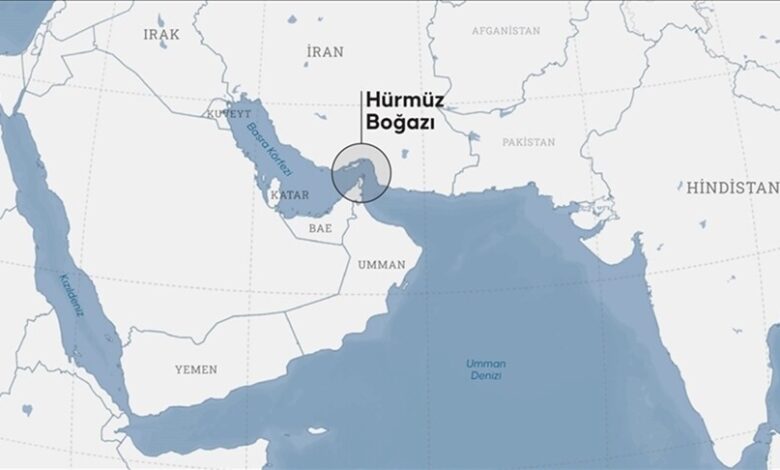
This event has driven Brent Crude prices to $117 per barrel in Asian trade, setting the market on track for a fourth consecutive monthly gain. The price surge reflects immediate market concerns over the security of one of the world’s most critical oil transit routes. The Strait of Hormuz remains a vital artery for global energy flows, and any disruption threatens to tighten supply in an already volatile market. The escalation comes against a backdrop of renewed tensions in the Middle East, including continued Houthi attacks on Saudi Arabia’s infrastructure, which have further amplified fears of a broader regional conflict.
While the UKMTO attributes the incident to explosive devices attached by a small boat, Iran’s Islamic Revolutionary Guard Corps (IRGC) has presented a different account. In a written statement, the IRGC claimed that a “super tanker” with a capacity of approximately two million barrels struck a sea mine while attempting to transit the alternative southern route through the strait. The IRGC stated that the impact of the mine caused an explosion on the tanker and released images of the damaged vessel. The group further claimed that four tankers in total had struck mines in the strait, directly disputing the assertion by the U.S. Central Command that American forces had cleared the primary transit routes of mines. Hossein Mohebi, an IRGC spokesman, told CNBC, “The reality of the Strait of Hormuz is determined in the air, on land and at sea, not on social media and in America’s media war rooms.”
The discrepancy between these two accounts—naval attack versus mine strike—highlights the opacity of the situation in the strait. For global traders and policymakers, the physical mechanism of the damage matters less than the confirmed fact of the attack and the ongoing threat to navigation. The market’s reaction, with Brent hitting $117, indicates that traders are pricing in a significant risk premium for geopolitical instability. This price level represents a substantial increase, reflecting the market’s fear that an escalation involving Iran is imminent, particularly in the lead-up to the U.S. midterm elections on November 3.
The broader context of these incidents is shaped by ongoing military and political maneuvers. Reports indicate that Iran’s oil reserves are under pressure as a U.S. naval blockade tightens, while the U.S. has offered additional Strategic Petroleum Reserve (SPR) barrels to mitigate fuel crises. However, the immediate threat in the Strait of Hormuz is physical, not just statistical. The ability of vessels to transit safely is currently in question, with conflicting narratives from the parties involved complicating risk assessment. The UKMTO’s verified report of safe crew and no environmental damage offers a slight mitigation of immediate humanitarian and ecologic concerns, but it does little to alleviate the financial impact on energy markets.
For consumers and industries reliant on stable energy costs, the surge in oil prices signals potential increases in fuel and transportation costs. The repeated incidents—three tankers affected in a single day according to some reports—suggest a pattern of aggression that could persist. The IRGC’s claim of mine strikes, if accurate, would imply a different operational threat vector than the UKMTO’s report of boat-borne explosives, but both scenarios point to a hostile environment for commercial shipping. The market’s focus now turns to whether these incidents are isolated or part of a sustained campaign to disrupt energy flows. As the tanker that caught fire continues its journey, the question remains whether the Strait of Hormuz can remain open to commercial traffic without further incidents, a factor that will continue to influence oil prices and global energy security in the coming weeks.