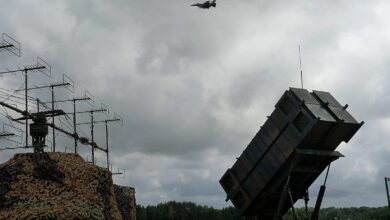
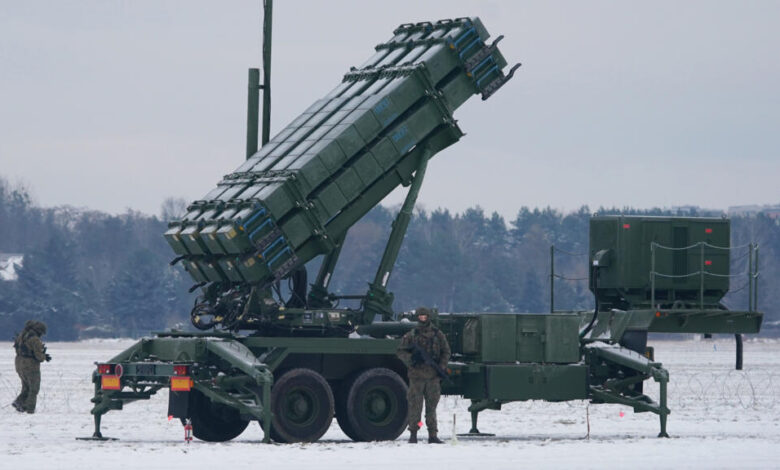
The Patriot missile system, developed by Raytheon, is a sophisticated long-range, all-weather, surface-to-air missile system designed to destroy tactical ballistic missiles, aircraft, and cruise missiles. For Ukraine, whose airspace has been the subject of sustained and diverse Russian aerial threats, including long-range cruise missiles, ballistic missiles, and increasingly, hypersonic weapons, the Patriot system is not merely a piece of hardware but a critical layer of national survival. The authorization of this sale signals an acknowledgment of the operational necessity for such high-tier air defense capabilities on the front lines.
Strategically, this development must be viewed through the lens of resource management and deterrence. The United States has historically relied on its own Patriot inventory for homeland defense and treaty obligations within NATO. The decision to approve a potential sale to Ukraine suggests a calculated assessment of remaining stockpiles and production capabilities. It implies that the administration has determined that the strategic benefit of enhancing Ukraine’s ability to deny airspace to Russian forces outweighs the temporary reduction in domestic or allied readiness, or that production lines can sufficiently replenish any depleted stocks. This nuance is vital; it distinguishes between a humanitarian gesture and a hard-nosed military calculation regarding the balance of power in Eastern Europe.
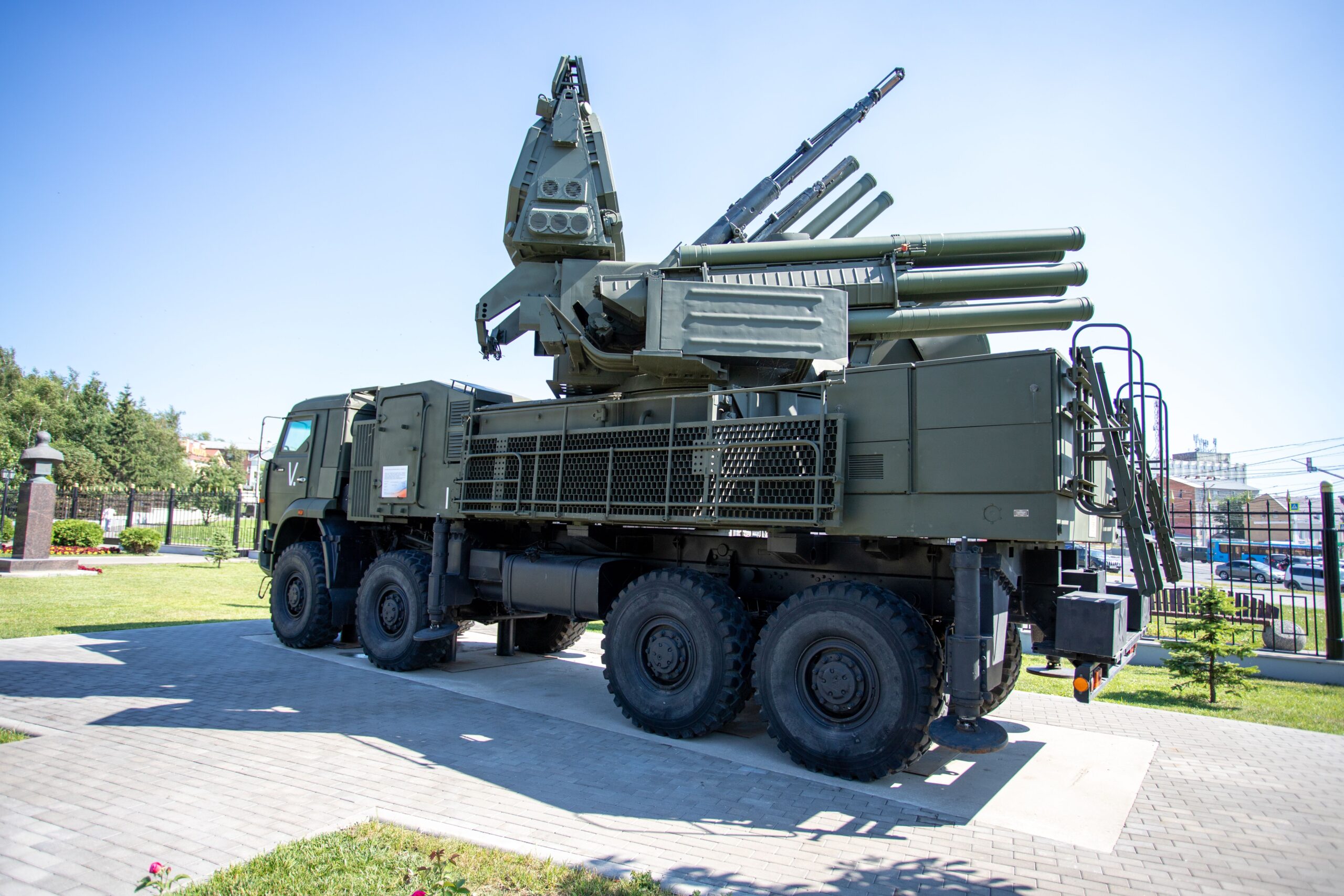
Operationally, the effectiveness of the Patriot system in the Ukrainian theater is subject to significant constraints. While the system possesses a high kill probability against many types of air threats, its performance is heavily dependent on the availability of interceptor missiles. The missiles themselves are expensive, complex, and not infinitely reproducible. Russia has demonstrated a willingness to expend large quantities of older, cheaper aircraft and drones to degrade Ukrainian air defense networks, a tactic known as saturation. Therefore, the mere presence of Patriot batteries does not guarantee total airspace control; it requires a sustainable supply chain to keep the launchers saturated with interceptors. The “potential” nature of the sale may also reflect ongoing negotiations over the terms of transfer, whether from US stocks, allied contributions, or new production contracts.
Geopolitically, this approval occurs against a backdrop of shifting diplomatic dynamics. The characterization of the sale as approved by the “Trump admin” introduces a layer of political complexity. It suggests that despite broader political debates surrounding foreign aid, the specific instrument of air defense has retained a degree of bipartisan or administrative consensus due to its direct impact on the kinetic reality of the conflict. For NATO allies, the continued flow of such advanced systems to Ukraine is a indicator of Western commitment to the territorial integrity of its neighbor. Conversely, for Moscow, it reinforces the perception that the conflict is increasingly being framed as a test of industrial and logistical endurance rather than a quick tactical resolution.
However, significant uncertainties remain. The term “potential” leaves room for interpretation regarding the final outcome. It may be contingent on congressional approval, budgetary allocations, or diplomatic conditions that have not yet been fully detailed in public sources. Furthermore, the exact number of units, the version of the Patriot system (such as the Patriot-3 or PAC-3 MSE), and the associated training and maintenance packages are not specified in the immediate reporting of this approval. Without these specifics, the full operational impact remains an estimate rather than a verified fact.
The human and military consequences of this decision are profound but difficult to quantify in the short term. For Ukrainian air defense crews, the prospect of increased interceptor availability could mean a reduced frequency of successful Russian strikes on civilian infrastructure and military targets. For US defense contractors, it represents a significant contract and a mandate to accelerate production. For the broader international community, it serves as a data point in the assessment of how far the US is willing to go in supporting Ukraine’s defense capabilities without directly committing ground forces.
In conclusion, the approval of a potential Patriot missile sale to Ukraine is a significant step that underscores the centrality of air defense to the conflict’s trajectory. It is a technical, logistical, and political decision that balances immediate battlefield needs against long-term strategic calculations. As the procurement process moves forward, the focus will shift from the authorization itself to the tangible movement of hardware, the integration of these systems into Ukraine’s broader air defense network, and the observable changes in the frequency and success rate of Russian aerial attacks. The next confirmed development will likely involve the specific logistical arrangements and the public announcement of the finalized transfer terms, marking the transition from political approval to operational reality.