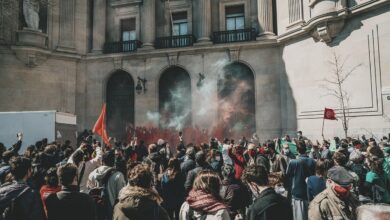
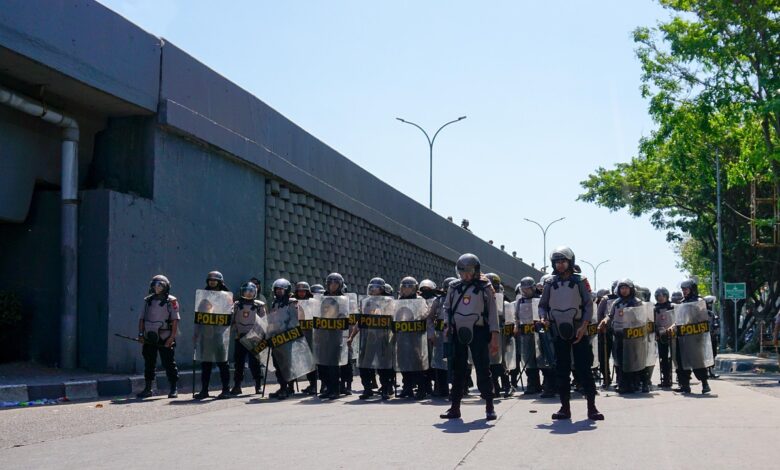
The most severe unrest occurred in Frankfurt, Germany’s financial hub. Police reported that “violent riots” broke out in the city center, with rioters smashing shop windows along Die Zeil, one of the country’s busiest shopping streets. According to witnesses and police statements, protesters threw stones, bottles, and fireworks at emergency workers. Molotov cocktails were also thrown at police stations and emergency services. In a later update, authorities confirmed that the windows of a specialist firearms shop were smashed, leading to the seizure of two weapons after the arrest of a suspect. Frankfurt police sealed off the shopping street and urged bystanders to leave the area, stating that access was no longer possible due to the chaotic scenes.
Hesse State Interior Minister Roman Poseck attributed the violence in Frankfurt to “around 100 clearly identified left-wing extremists” who had infiltrated the protest. He described the events as a “massive attack against the police” and called it “shameful” that the demonstrations ended in looting and violence, explicitly contrasting the scene with the recent unrest in France. “We all have those images from France in our minds – looting, burning houses, burning police vehicles,” Poseck said. “France must not be held up as a model in this regard.” He noted that one officer may have been seriously injured, though this is still under investigation.
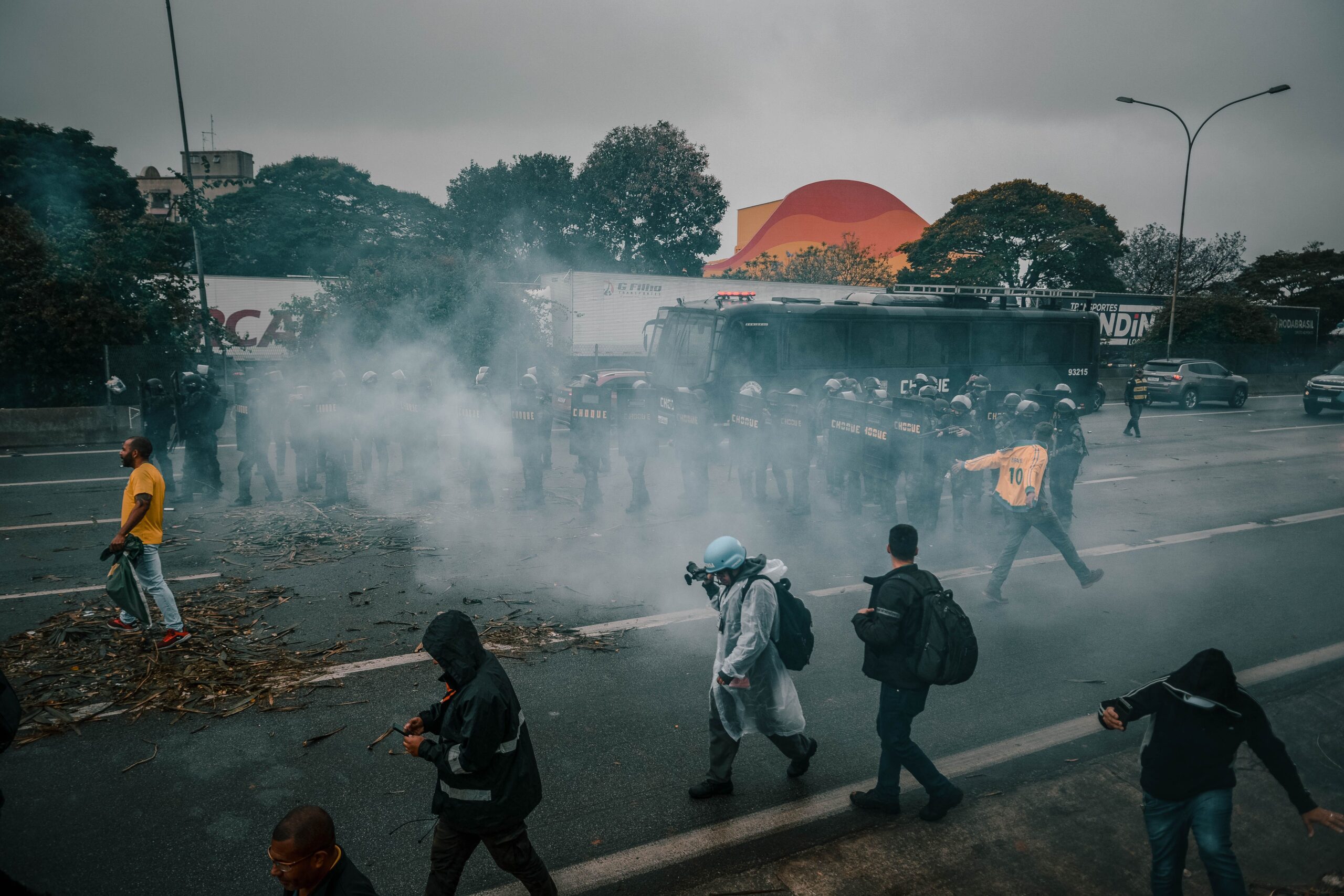
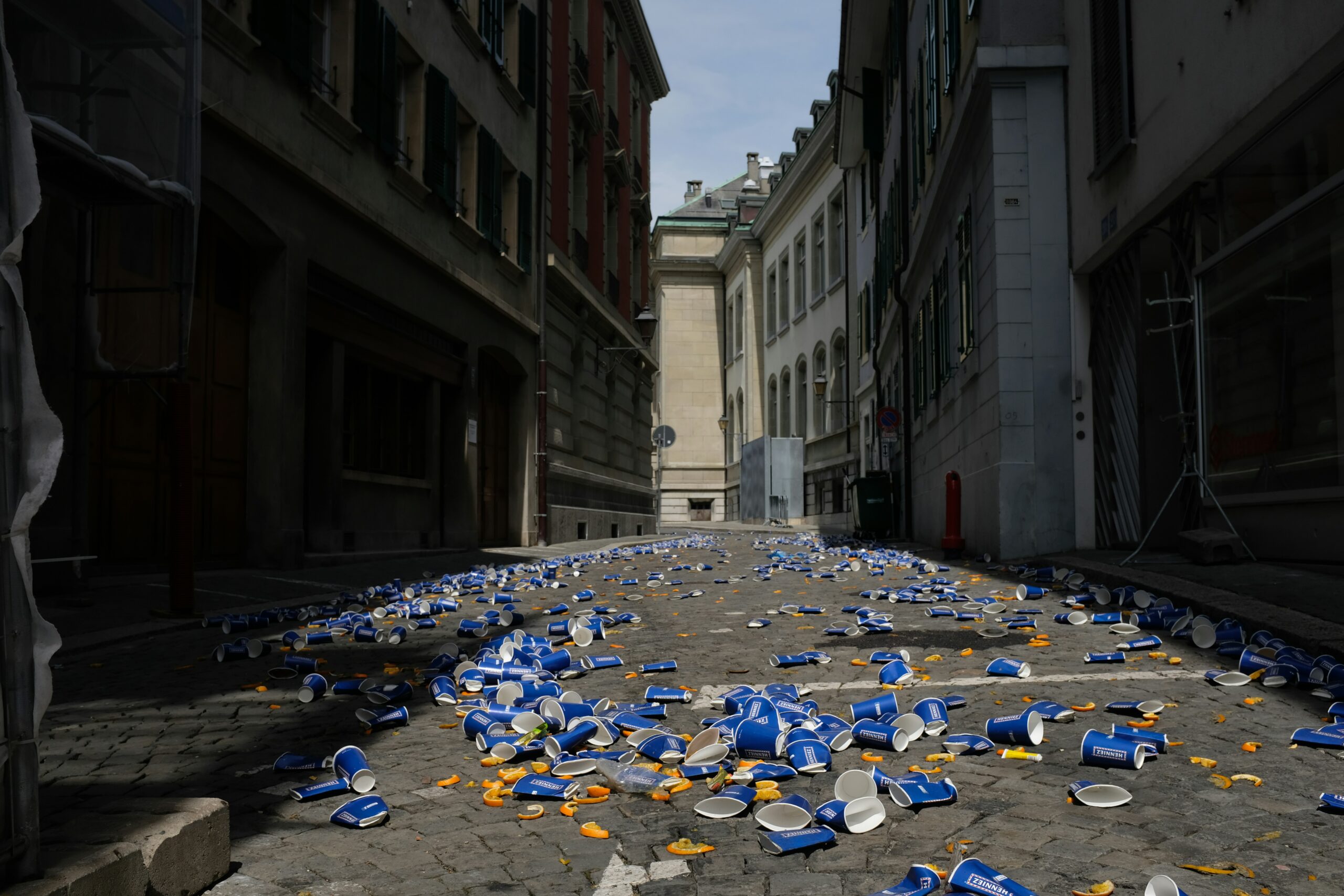
Similar disturbances were reported in other major German cities. In Cologne, clashes erupted near Cologne Cathedral involving approximately 200 people. Police reported that officers were attacked with bottles and bicycles, resulting in one person being injured and five individuals being detained. An electric scooter was thrown through a window in a nearby side street. Cologne Police Chief Johannes Hermanns expressed sadness that peaceful protests were overshadowed by “extremists who had nothing but violence in mind,” noting that groups other than the primary Gen Z demonstrators were involved in the riots. Police in Cologne used water cannons to disperse protesters who covered their faces and used pyrotechnics.
In Hamburg, protesters at Steintor square pelted police with fireworks. Authorities responded with “immediate force,” including the use of a water cannon, to clear the area. A similar incident in Frankfurt resulted in several police officers sustaining light injuries. In Berlin, a rally separate from the official Gen Z event saw a crowd of around 3,000 people engage in “illegal burning of pyrotechnics” and throw eggs and bottles, leading to clashes that injured several officers. A light injury was also reported in Bonn during a confrontation with a group of protesters.
Despite the violence, senior police union representative Andreas Rosskopf stated that the overall character of the Gen Z protests had been “very peaceful” during the day, with no widespread property damage reported prior to the evening outbreaks. He emphasized that the individuals driving the clashes were “acting independently,” some of whom were masked, and that security forces had acted decisively to prevent further disturbances. Rosskopf confirmed that police remained ready to prevent any further clashes overnight.
The German demonstrations are part of a broader European trend of youth-led protests, following similar mass demonstrations in France where more than 320,000 people gathered on Saturday. The French protests, triggered by student demands for education reform, had previously erupted into violence and looting two weeks earlier. Lina Friedrich, a spokesperson for Gen Z regelt, stated that the demonstrations were “to fight for peace and freedom, rather than for war and coercion.” She emphasized that the group’s primary concerns were better support for health and education systems, opposition to compulsory military service, and a fairer distribution of the economic burden.
Authorities in Frankfurt, Munich, and Berlin reported as many as 18,000 protesters, roughly half of what the organizers had estimated on their website. The demonstrations highlight growing generational tensions regarding public spending, particularly in education and social services, amidst concerns over rising living costs. While the core protest movement advocated for social justice and institutional reform, the infiltration by extremist elements and the subsequent violence have complicated the political narrative, drawing sharp condemnation from state officials while raising questions about the security management of large-scale youth movements.