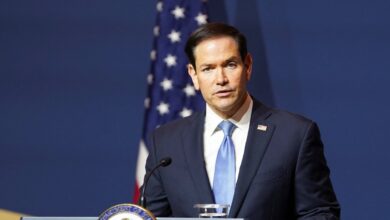
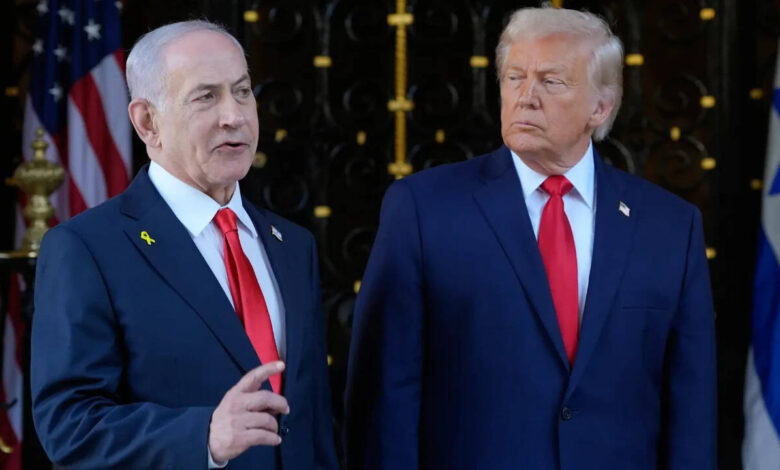
This diplomatic and military calculus is unfolding against a backdrop of intense high-level discussions in Washington and Jerusalem. US President Donald Trump has been in direct communication with Israeli Prime Minister Benjamin Netanyahu regarding military options against Iran, weighing them against the potential for diplomatic negotiations. Secretary of State Marco Rubio has indicated that talks are ongoing, though he has stressed the critical importance of addressing security concerns. Despite these diplomatic channels, Israeli officials have expressed doubt regarding Iran’s willingness to abandon its nuclear program or halt missile production. Consequently, US and Israeli defense forces are reported to be maintaining active military preparations, signaling that the threat of kinetic action remains a tangible possibility rather than a distant hypothetical.
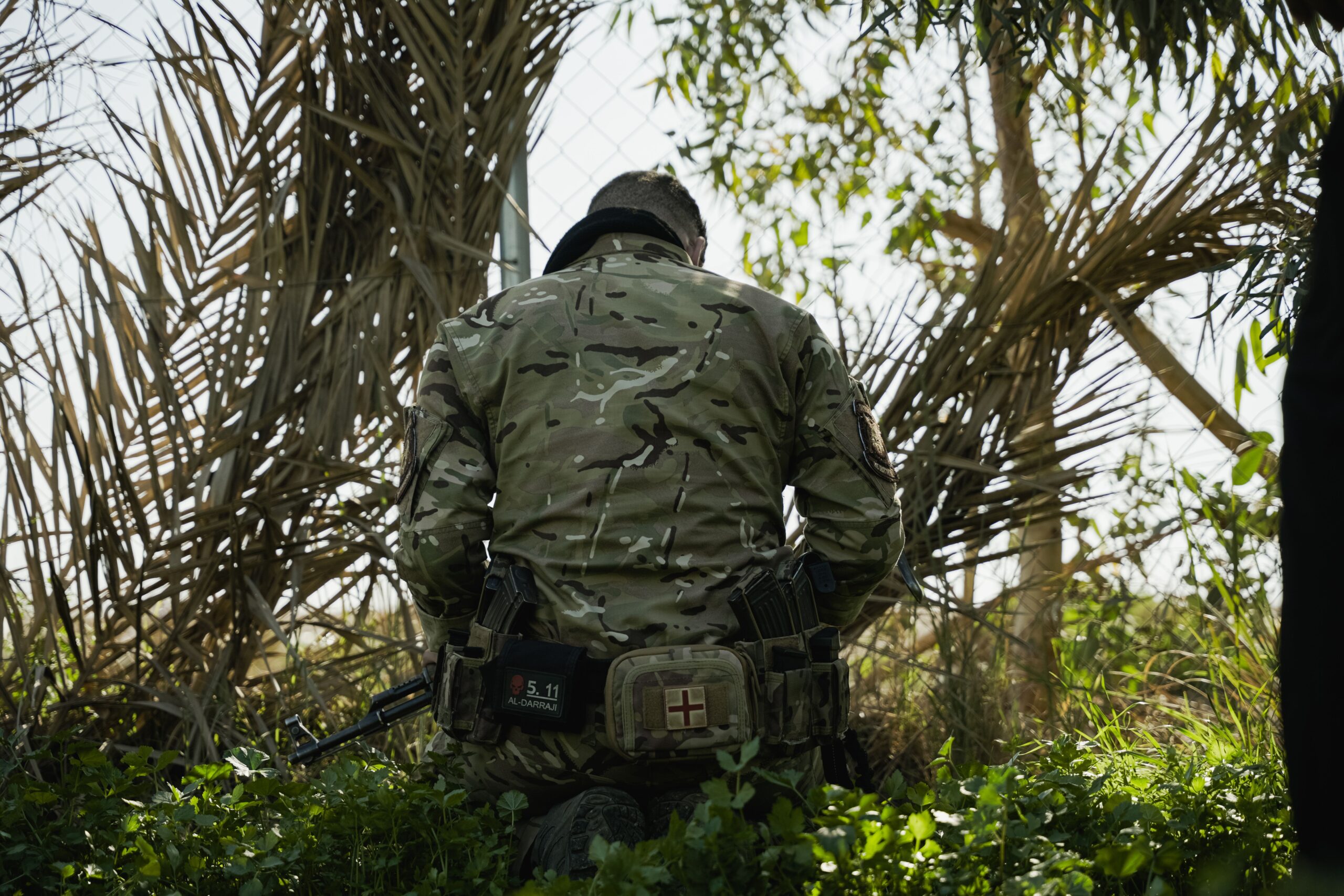
While the central focus remains on the US-Iran axis, the operational posture of Hezbollah in southern Lebanon provides a critical indicator of regional risk. Lebanese security personnel briefed on the group’s activities report that Hezbollah has spent at least three months preparing for a resumption of hostilities with Israel. This preparation has been facilitated by a significant infusion of cash from Iran. While the exact current sum is not fully detailed in all reports, sources indicate the group has received tens of millions of dollars recently to boost its military capabilities. This is in addition to approximately $200 million previously received from Tehran, as noted by Reuters earlier this month. The funding has been directed toward procuring explosives and producing drones capable of being flown into security zones, a strategy aimed at restoring combat effectiveness after previous engagements.
The financial flow from Tehran to Beirut occurs despite US efforts to constrain the group’s resources. A US State Department spokesman stated that Washington intends to keep “strangling” Hezbollah’s finances through sanctions and other measures. A US Treasury spokesperson added that Iran is “running out of money and ways to move money,” suggesting that the Iranian state’s capacity to fund proxy networks is facing logistical and fiscal limits. However, the continued receipt of funds by Hezbollah indicates that these financial pressures have not yet halted the transfer of resources, at least in the short term.
Hezbollah’s internal state is a subject of ongoing assessment by intelligence agencies. According to one source close to the group and three other security officials, the organization has been restoring command-and-control structures that broke down during key battles. The group is also reportedly gathering intelligence and recuperating its fighting ability in southern Lebanon’s pilot zones. Hezbollah’s media office, however, rejected the suggestion that its command-and-control systems had suffered such a breakdown, maintaining a narrative of operational integrity. This divergence in assessment highlights the opacity surrounding the group’s true operational readiness, a factor that complicates predictive modeling for regional security analysts.
The diplomatic landscape further complicates the military picture. A senior Gulf diplomatic source told the Lebanese newspaper Ad-Diyar that President Trump pledged to secure a full Israeli withdrawal from southern Lebanon if Beirut agrees to join the Abraham Accords. The source described these as “official commitments.” However, the report lacks supporting documents, does not identify the specific diplomat or country, and offers no confirmation from the White House. Furthermore, it does not specify when these commitments were made or if a timetable for implementation exists. In direct response to such reports, senior Israeli officials insisted that Israel would not withdraw its forces before Hezbollah was fully disarmed, a stance that creates a significant deadlock in potential diplomatic resolutions.

For the broader economy and trade, the implications are primarily related to risk premiums and supply chain stability in the Eastern Mediterranean. While the sources do not provide specific data on shipping costs or insurance rates, the persistent threat of drone strikes and the potential for a wider war involving US and Israeli forces against Iran introduces uncertainty into the region. The “choking” of Iranian finances mentioned by US officials may have secondary effects on regional energy markets and trade flows, although specific numerical impacts on current trade volumes are not detailed in the available material. The focus remains on the security dimension, where the interplay between US sanctions, Iranian funding capabilities, and Hezbollah’s rearmament dictates the probability of conflict.
The situation remains tense, with military preparations by US and Israeli forces continuing in parallel with diplomatic overtures. The key variable remains the interpretation of the “existential threat” to Iran. If the current diplomatic track fails to address Israeli security concerns regarding Iran’s nuclear and missile programs, the threshold for a wider war could be crossed. Conversely, if Hezbollah’s rebuilt capabilities are neutralized or its funding cut off, the likelihood of a broader regional escalation may decrease. The next critical data point to watch will be any official confirmation or denial from the White House regarding the Abraham Accords withdrawal pledge, as well as any observable changes in Hezbollah’s military activity in southern Lebanon.