The political stakes are high, with the opposition framing this as a defense of democratic principles. Abhijeet Dipke, founder of the Cockroach Janta Party (CJP), stated that his organization supports the INDIA bloc’s cause, citing the loss of trust in the CEC. “By undermining this very principle through SIR, Gyanesh Kumar has lost the trust required to oversee free and fair elections,” Dipke said in a statement. Despite this support, the CJP will not participate directly in the rally, maintaining its identity as a “neutral platform” while extending solidarity to any group fighting against alleged “vote theft.” Former West Bengal Chief Minister Mamata Banerjee, who met with Dipke on Saturday, reinforced the significance of the movement, noting that the INDIA bloc members are the “pioneers and founders of this movement.”
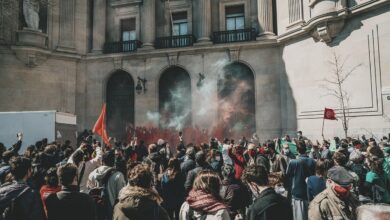
The logistical scale of the event highlights both the ambition of the organizers and the preparedness of the authorities. The protest is scheduled to begin at noon from the Minto Road-Connaught Place junction, culminating in a mega rally at Ramlila Maidan from 10 am to 5 pm. There is a notable disparity in expectations between the organizers and the security forces. While the INDIA bloc anticipates “nearly one million people” attending from across the country, Delhi police have planned for a crowd of approximately 50,000, which is the stated capacity of the Ramlila Maidan. Police have indicated that any overflow will be managed on the surrounding streets.
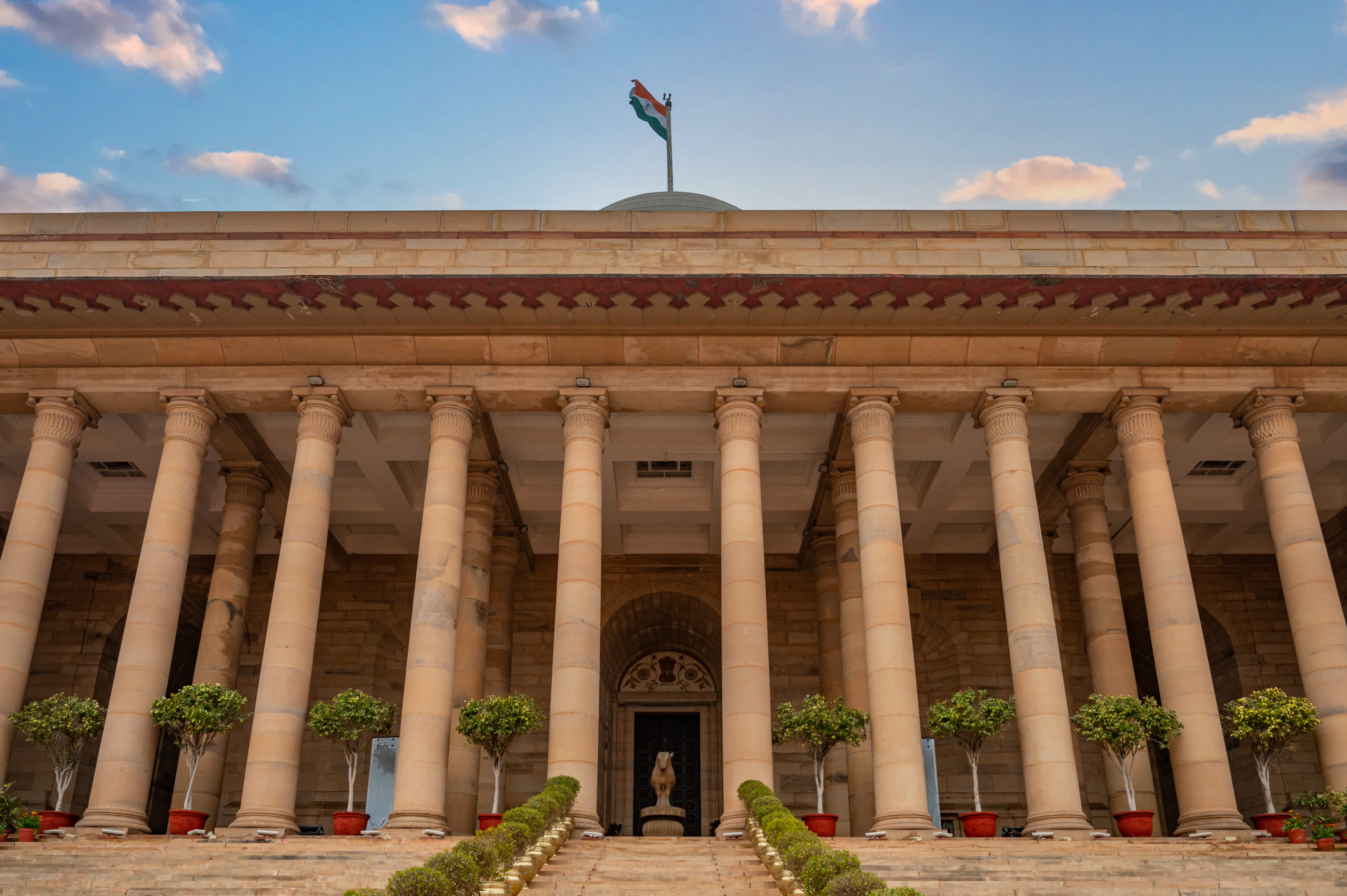
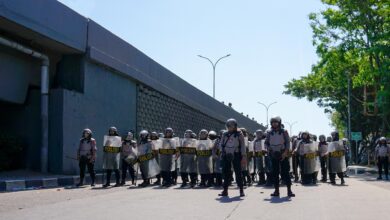
To manage the situation, a robust security grid has been established. Nearly 10,000 police and paramilitary personnel have been deployed in central Delhi. The venue has been divided into eight regions, each headed by a Deputy Commissioner of Police (DCP) or additional DCP, and further segmented into 14 zones led by Assistant Commissioners. Each zone is staffed with at least 25 inspectors and other personnel. Surveillance measures are extensive, utilizing nearly 250 high-definition, AI-enabled CCTV cameras that feed live footage to a control room. Drones, body-worn cameras, and anti-riot equipment are also part of the security apparatus.
Amidst the political fervor, economic concerns have emerged, particularly regarding the impact of the rally on local businesses ahead of the Diwali festival. Congress President Rahul Gandhi addressed this issue directly in a video message, urging protestors to engage in commerce alongside their activism. “Protest, march, hold rallies, and along with that, do a little shopping too – it will benefit the traders,” Gandhi said. He emphasized that the rally would not financially harm the local economy and accused the Bharatiya Janata Party (BJP) of spreading rumors that the event would disrupt business among Delhi’s trader community. “The BJP is scared, that’s why it’s spreading rumors,” he stated, encouraging the “lakhs of people” coming to Delhi to purchase goods from small shops.
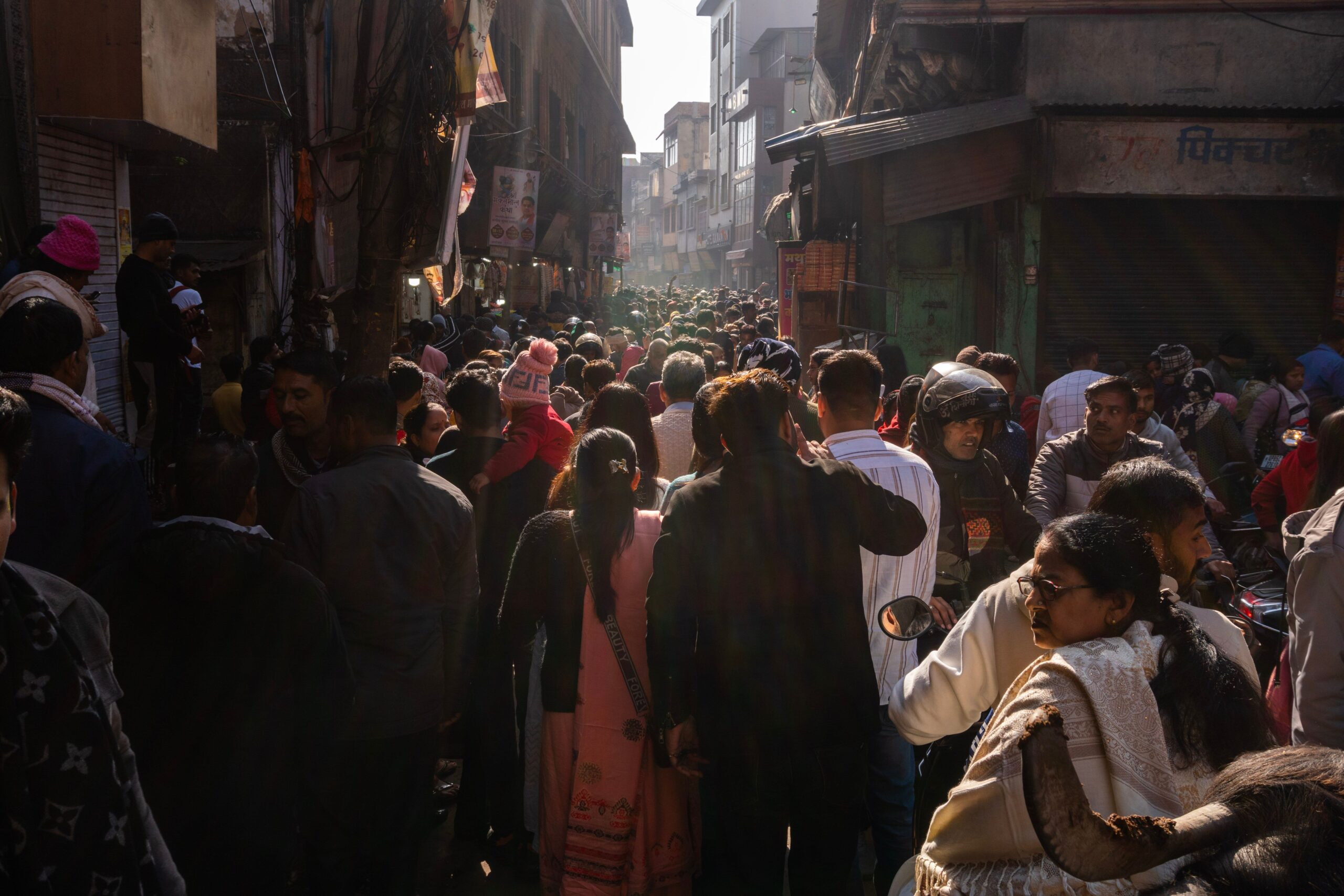
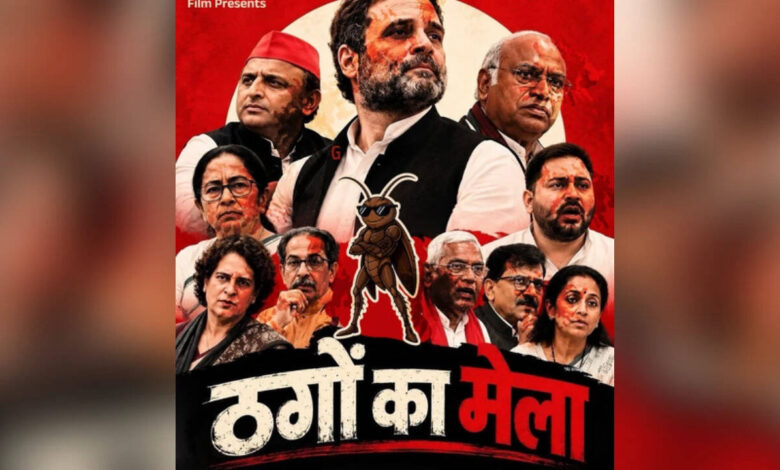
The BJP, in response, has launched a poster campaign targeting opposition leaders. The party’s focus appears to be on highlighting the political motives behind the rally, which it views as an attempt to delegitimize the current electoral framework rather than a genuine concern for democratic integrity. Protesters from various states have already arrived in Delhi, raising specific concerns about the integrity of Electronic Voting Machines (EVMs) and the broader electoral process.
The core grievance remains the Special Intensive Revision, a process the opposition argues has been manipulated to distort voter rolls. For the INDIA bloc, the resignation of CEC Gyanesh Kumar is seen as a necessary step to restore the independence of the Election Commission. The outcome of Sunday’s rally will likely hinge on the crowd turnout relative to police estimates and the ability of the opposition to sustain momentum beyond the immediate protest. As the march proceeds from Connaught Place to Ramlila Maidan, the interaction between the massive security deployment and the political message will define the immediate political landscape in India, with the next formal step being the formal presentation of demands to the central government following the conclusion of the rally.