
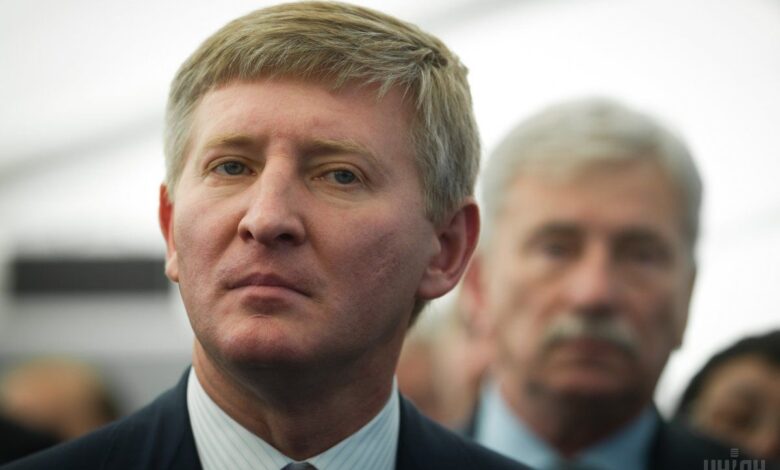
The most prominent figure in this transition is Rinat Akhmetov, widely regarded as Ukraine’s richest man. At the height of his influence, Akhmetov’s business empire, centered on the holding company System Capital Management (SCM), represented a meaningful share of Ukraine’s Gross Domestic Product. His wealth, estimated at $8 billion prior to the most recent valuations and exceeding $7 billion according to the Bloomberg Billionaires Index, was derived from dominant positions in metallurgy, mining, and energy. Key subsidiaries included Metinvest, the country’s second-largest metallurgical enterprise, and DTEK, the largest private energy firm, which controlled approximately 70 percent of Ukraine’s power output.
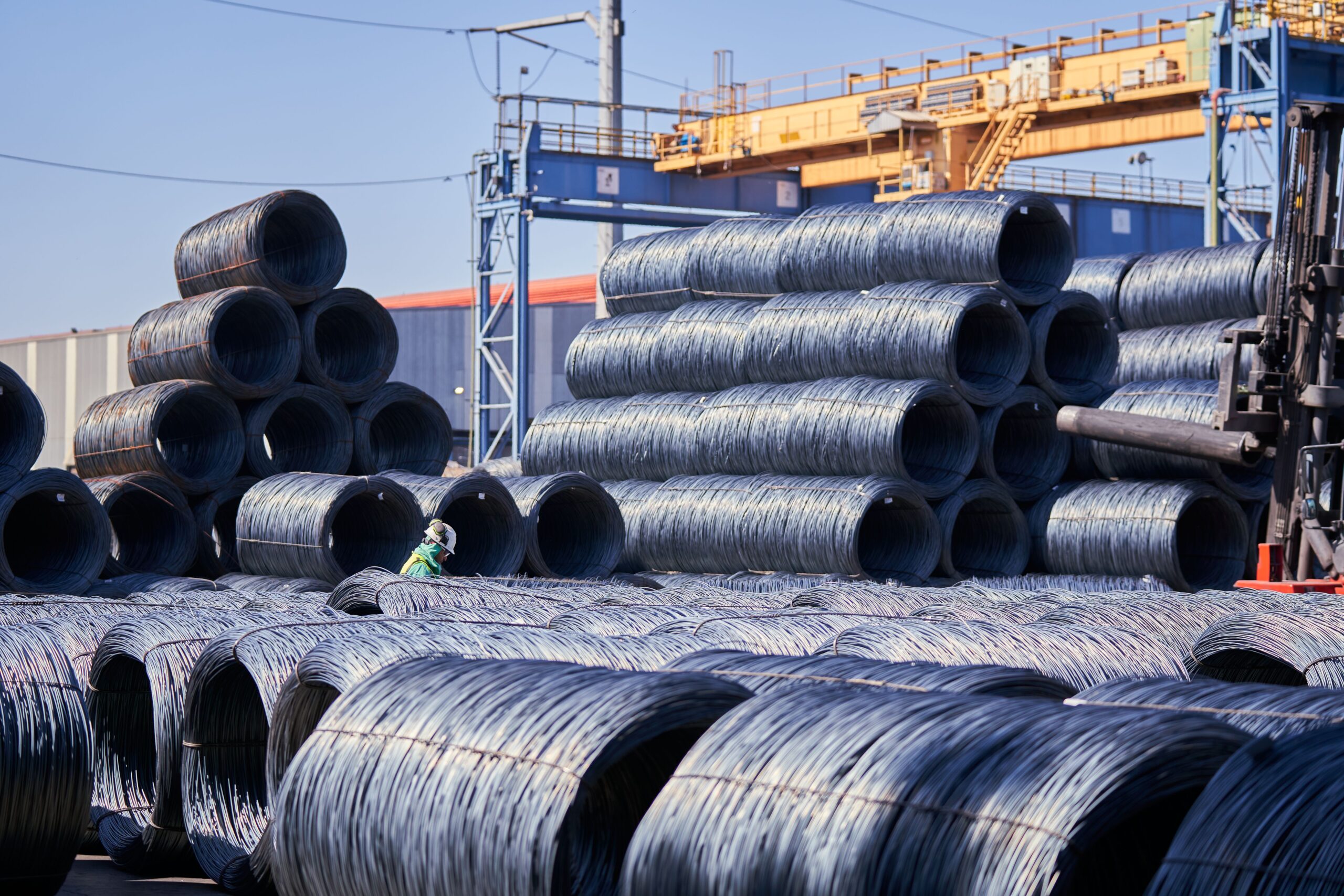
The invasion has inflicted severe damage on this industrial base. Russian forces have repeatedly targeted Akhmetov’s assets, most notably in the Donbas region. The Mariupol-based Azovstal steelworks, one of the largest in Europe, and the Ilyich Iron and Steel Works have been sites of heavy fighting, leading to their destruction or significant impairment. These losses, combined with the disruption of supply chains and markets, have forced a major strategic pivot for Akhmetov and other oligarchs. While his net worth has declined from its peak, he remains a central figure in Ukraine’s economy, having contributed hundreds of millions of dollars to humanitarian and military support efforts.
This shift from political dominance to wartime contribution has been accompanied by legislative changes aimed at curbing oligarchic influence. In September 2021, ahead of the full-scale invasion, Ukrainian parliament passed a law limiting the political power of wealthy individuals. The legislation requires citizens owning more than 2.19 million hryvna (approximately $1 million at the time) in financial assets and media outlets to register as “oligarchs.” Furthermore, senior state officials are mandated to declare any dealings with these registered individuals. This framework has provided the state with tools to regulate the intersection of private wealth and public policy, a critical step in a country where oligarchs previously held outsized influence over government decisions.
The tension between the state and the oligarchic class has occasionally surfaced in high-profile political confrontations. In late 2021, President Volodymyr Zelenskyy alleged that authorities had uncovered a coup attempt involving Akhmetov, suggesting tangential involvement with Russian-backed interests. Akhmetov’s holdings at the time included the Media Group of Ukraine, granting him significant reach into the information space. While these allegations highlighted the persistent friction between the executive and the business elite, the exigencies of war have since prioritized national unity and economic resilience over internal political feuds.
Despite the domestic pressures and asset losses, the international profile of Ukraine’s wealthiest individuals remains complex. In April 2024, Bloomberg reported that Akhmetov had purchased a luxury apartment in Monaco valued at $550 million (471 million euros). The transaction, finalized shortly before the 2022 invasion, ranks among the most expensive residential property deals in history. The waterfront estate spans more than 2,500 square meters and includes 21 rooms. SCM confirmed the acquisition but declined to disclose specific details beyond the property’s location. This purchase, while occurring in the pre-war period, underscores the global reach of Ukrainian capital and the continued scrutiny of oligarchic wealth flows in international markets.
The economic implications of this transformation extend beyond individual fortunes. The destruction of industrial capacity in the Donbas has necessitated a restructuring of Ukraine’s export base, which has historically relied on steel and coal. As the country moves toward reconstruction, the role of private capital is evolving. Oligarchs are no longer merely political players but are increasingly viewed as essential partners in rebuilding infrastructure and energy systems. The law limiting oligarchic influence provides a regulatory framework for this partnership, aiming to ensure that private investment aligns with national interests rather than personal political agendas.

Analysts note that the war has accelerated a process that might have taken decades in a peacetime environment. The necessity of mobilizing resources for defense has forced a transparency in business-state relations that was previously elusive. However, challenges remain. The recovery of industrial output will require massive investment, and the balance between leveraging private capital and maintaining democratic governance will be a ongoing negotiation. The next phase of Ukraine’s economic development will depend on how effectively the state can channel the remaining private wealth toward reconstruction while adhering to the new legal constraints on political influence.
As Ukraine prepares for the post-war economic landscape, the focus will shift from survival to rebuilding. The lessons of the past two years suggest that the oligarchic model of the 1990s and 2000s is no longer viable. Instead, a new model is emerging, one where private wealth is subject to greater public accountability and where the primary role of industrialists is to contribute to national resilience rather than political leverage. This shift, driven by the catastrophic impact of the war, represents a significant departure from the previous economic order and sets the stage for a different kind of market economy in the region.



One Comment