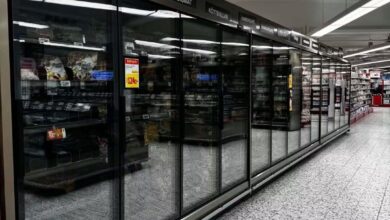
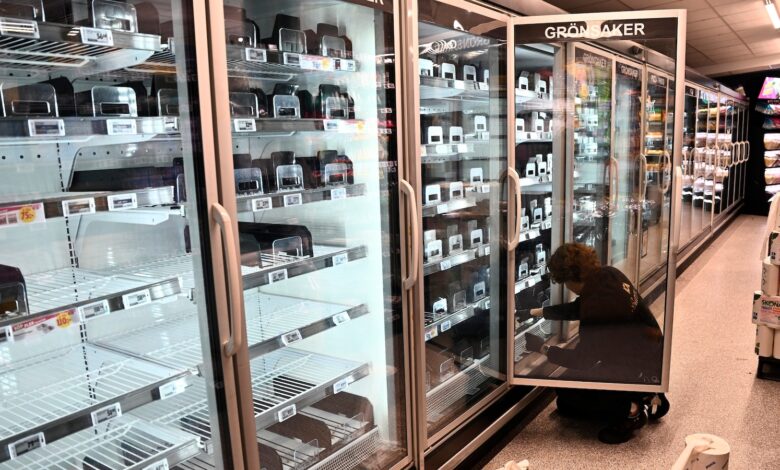
The attacks exploit the increasing integration of Internet of Things (IoT) technology in supply chains, where physical infrastructure such as cooling units are managed remotely. In this latest incident, refrigerators and freezers in affected stores were reportedly set to 50 degrees Celsius (122 degrees Fahrenheit), a temperature sufficient to rapidly spoil perishable goods and compromise food safety standards.
In Sweden, the ICA Group confirmed that a “limited number” of its stores were affected overnight, though a specific count was not provided. The ICA Kvantum branch in Sjöbo, located in southern Sweden, explicitly stated on its Facebook page that its cooling systems “had been hacked” and set to 50 degrees Celsius. The company reported it was working to dispose of the affected items. Similarly, the Coop chain reported that six of its stores in central Sweden experienced issues with fridges and freezers. Coop spokesman Carlos Cancino told the AFP news agency that the units “either stopped working entirely or have been partially impaired,” resulting in food waste. However, Coop stated it had not received specific information confirming the cause was a cyberattack at the time of the report.
Belgium and Luxembourg were also impacted, with the Delhaize chain (part of the Dutch Ahold Delhaize group) reporting an “IT incident” affecting refrigeration systems in several dozen stores. Spokesperson Sarah De Meester noted that while the range of fresh and frozen products was temporarily limited in affected locations, distribution centers remained operational and deliveries to stores were not disrupted. The Carrefour supermarket chain in Belgium reported a more contained impact, stating that a “cyberattack targeting refrigeration installations” had an “extremely limited impact,” affecting only 15 of its more than 700 stores.
Technical analysis suggests the attacks may be exploiting vulnerabilities in older control systems or specific defrost mechanisms. Stephan Moelans, CEO of Belgian refrigeration company Sabcobel, which operates systems for Delhaize and other chains, told the Belga news agency that the attack involved switching evaporators into “defrost mode.” Moelans stated that technicians were mobilized at 1 a.m. to disconnect affected units from the network. He added that while his company has been working to protect customers’ fridges against this specific vulnerability over the past few weeks, many units require physical modifications that demand significant investment.
In Estonia, Jann Mutso, CEO of Kitman Coldtech, confirmed that one of its clients was hit by a cyberattack in which attackers accessed the computer controlling the refrigeration and raised the temperature to 50 degrees Celsius. Mutso declined to identify the specific store but stated that the response was executed within minutes, preventing significant damage. The Selver chain confirmed that one of its outlets was affected.
These incidents follow a similar attack in France on October 12, where major retailers including E. Leclerc, Intermarché, and Cooperative U reported that hundreds of stores were hit. In that instance, the refrigeration control systems from Danish manufacturer Danfoss were identified as the target, with temperatures surging as high as 122 degrees Fahrenheit. That breach raised broader concerns about food security and the resilience of critical infrastructure in the grocery sector.

According to Reuters, Ahold Delhaize reported a cybersecurity incident to police in the Netherlands in October after detecting suspicious activity in its infrastructure. The chain realized there were temperature increases in its cooling systems on Monday. No claim of responsibility has been made for any of the hacks targeting European grocery retailers to date.
The repeated nature of these attacks highlights a growing security gap in the retail supply chain, where physical assets are increasingly dependent on networked controls. While retailers report that distribution centers remain largely intact, the immediate financial loss from spoiled inventory and the operational burden of manual temperature management underscore the urgency for vendors to address vulnerabilities in legacy and modern refrigeration hardware.