

The alerts, which began shortly before 11 p.m. local time, were not issued by the state. They were the result of a cyberattack in which unauthorized parties interfered with the app’s operation. The messages were notable for their linguistic inconsistencies, appearing in English with spelling and grammatical errors, as well as in a mix of Russian and Ukrainian. One specific false alert referenced the Oreshnik ballistic missile, a weapon capable of carrying nuclear warheads that the Kremlin has previously used against the Kyiv region, Dnipro, and Lviv. The intrusion was not isolated to Ukraine; hours later, Russia’s Ministry for Emergency Situations reported that its own mobile app had been targeted by a “massive cyberattack,” allowing attackers to send fake information to the public, including bogus warnings that nuclear warheads had been launched at all regions.
The technological significance of this event lies in the compromise of a critical trust anchor. In a conflict zone, emergency alert applications are not merely convenience tools; they are survival mechanisms. These apps function as a digital layer of civil defense, designed to push real-time geolocation-based warnings to citizens during air raids. The attack demonstrated that even state-managed digital infrastructure, which is often presumed to have robust security due to government oversight, remains susceptible to intrusion by sophisticated actors who can manipulate the data stream to cause mass panic.
Ukraine’s Air Force moved quickly to contain the breach. Authorities stated that “unauthorized persons” had interfered with the app’s operation and temporarily disabled push notifications to prevent further spread of false information. In a statement on Telegram, the Air Force reassured the public: “There is no radiation threat! Stay calm, follow our messages on our channel.” The service was fully restored overnight. Yurii Ihnat, a spokesperson for Ukraine’s air force command, clarified that the cyberattack had no impact on Ukraine’s broader security and defense operations. He emphasized that the mobile app is separate from military command systems, and that the air force continues to report real-time threats through independent communication channels, including popular social media platforms. This architectural separation is a key security lesson: while the civilian-facing interface was compromised, the underlying military situational awareness remained intact.
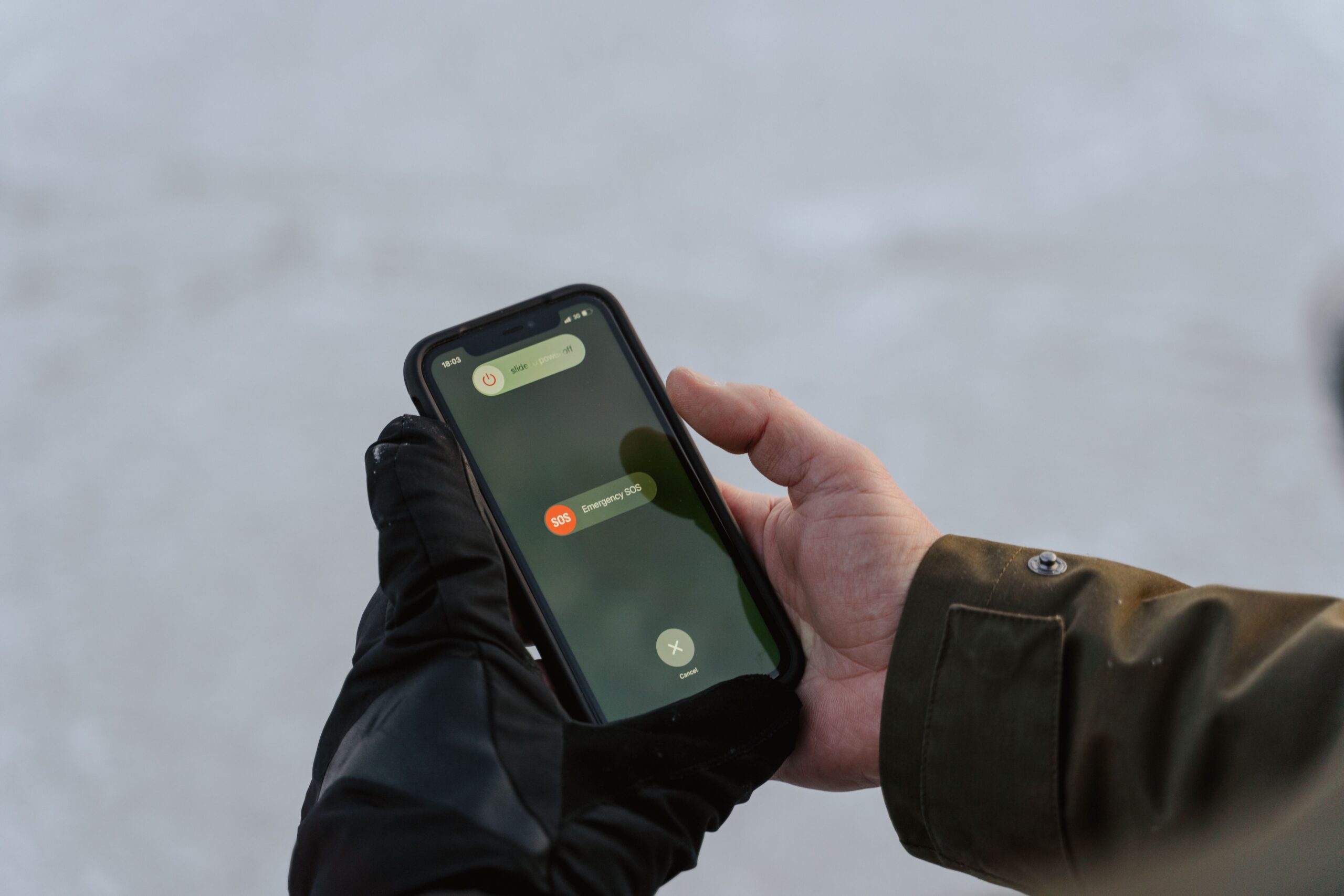
The attribution of the attack remains uncertain, though a specific group has claimed responsibility. One of the false posts mentioned the hacking group Hitcore. Mash, a Russian Telegram channel with links to security services, reported that it had spoken to representatives of Hitcore, who claimed responsibility for the attack. However, this claim could not be independently verified. The presence of English text with errors in the Ukrainian alerts suggests the attackers may not be native speakers of the region’s primary language, or they may have used automated tools to generate the messages. The Russian Ministry for Emergency Situations did not name the perpetrators in its statement, only noting that the wider public alert system, which operates independently of the mobile app through SMS messages, media broadcasts, and municipal sirens, was working normally.
The incident reveals a dual vulnerability in modern conflict: the physical and the digital. While the cyberattack was a technical failure of access control and message integrity, its social impact was immediate. Many residents of Kyiv ignored the alerts, assuming the app had been compromised, a testament to the public’s growing digital literacy and skepticism. Others, however, were frightened. “I was briefly terrified,” one woman named Nina said. “I lay on my bed and wondered what was coming.” This reaction underscores the psychological cost of cyber operations; they do not just steal data or disrupt services, they manipulate human emotion and trust in institutions.
The timing of the attacks is not coincidental. They occurred as Russia and Ukraine continued to trade strikes on each other’s territories and infrastructure. In the southern Kherson region, a local ceasefire that had allowed for humanitarian aid and the evacuation of hundreds of people from the Russian-occupied city of Oleshky expired at midnight Moscow time. Ukrainian military authorities reported that Russian forces used the pause in fighting to reinforce positions, rotate units, and expand anti-drone measures. The cyberattack on the emergency apps, occurring simultaneously with these kinetic military maneuvers, suggests a coordinated strategy to confuse, demoralize, and create a fog of war that extends beyond the battlefield into the digital lives of civilians.

For developers and institutions managing critical infrastructure, the incident serves as a stark reminder of the need for multi-layered security architectures. Relying on a single channel for emergency communication is dangerous. Ukraine’s reliance on the app, while necessary, left it open to this specific vector of attack. The mitigation—disabling push notifications and redirecting users to social media channels—was effective but reactive. Future systems may need to incorporate stronger authentication mechanisms for alert delivery, such as digital signatures that verify the source of the message, or redundant communication channels that can validate alerts across different platforms.
The broader implication is that emergency services are now a prime target for cyber warfare. As nations digitize their civil defense, they create new attack surfaces that adversaries can exploit to sow chaos without firing a single shot. The fake nuclear alerts sent to both Kyiv and Moscow demonstrate that the stakes are high, and the consequences of a successful breach are not just data loss, but public panic and erosion of trust in state institutions. As the war continues, the digital front will likely see more such incidents, making the security of these alert systems a matter of national security as much as technical infrastructure.
For now, the apps have been restored, and the false alerts have been debunked. But the fear that gripped some residents of Kyiv in the small hours of Sunday remains a tangible measure of the attack’s success. The next time a warning appears on a phone screen in the middle of the night, users will be forced to weigh the risk of ignoring a true threat against the likelihood of another cyber trick. That burden of verification, once left to the state, is now shared by millions of individual citizens.