
The decision to halt regular work operations is a direct response to the logistical strain of hosting one of the most significant geopolitical gatherings in the region. The summit, scheduled for November 16 to 18, will be held primarily at the Philippine International Convention Center and the Cultural Center of the Philippines in Pasay City. To secure these venues, authorities are implementing a phased closure of surrounding infrastructure that will disrupt local trade and mobility well before the delegates arrive.
The economic footprint of the summit extends beyond the immediate venue area. Security checkpoints are set to be established from October 24 to November 8, subjecting the public to screening and verification protocols. Following this period, from November 9 to November 18, the area around the venues will be completely closed to the general public, allowing entry only to authorized personnel and vehicles with valid access credentials. This total exclusion zone forces businesses and commuters in Pasay, Makati, Manila, Parañaque, and Taguig to reroute or suspend operations, creating a temporary but stark contraction in local foot traffic and service demand.
The scale of the security operation underscores the financial and labor resources being diverted to the event. The Metropolitan Manila Development Authority (MMDA) will deploy 2,955 personnel, while the Philippine National Police will assign 13,868 officers to ensure delegate safety. These figures represent a substantial mobilization of state resources that, while necessary for diplomatic security, introduces friction into the normal functioning of the city’s transport and safety networks. In Makati, the city government has further restricted economic activity by banning the use of drones for the entire month of November, a measure that impacts photography, delivery logistics, and recreational activities relying on aerial technology.

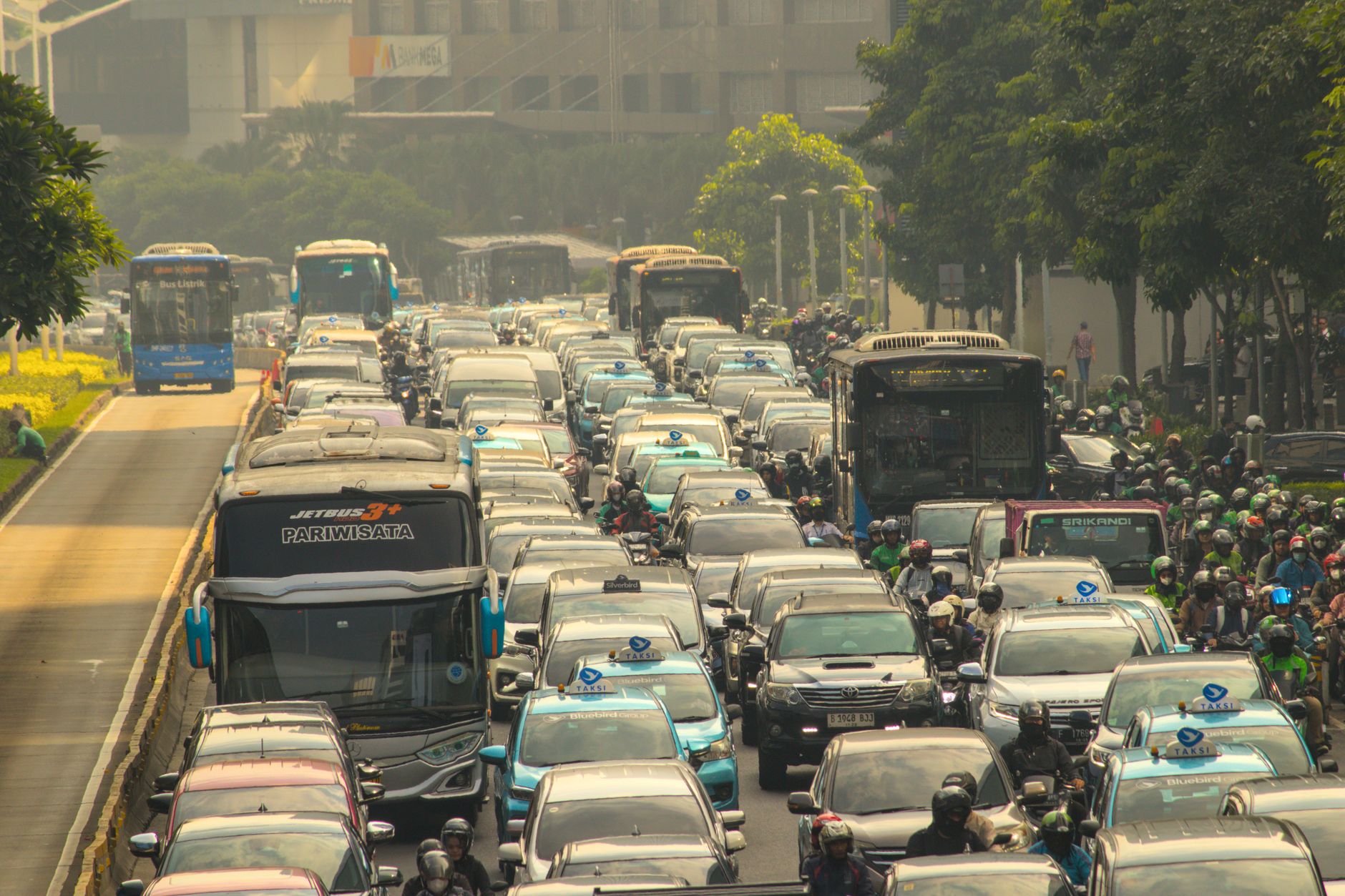
Transportation flows are being actively managed to mitigate the impact of these closures. The Metropolitan Manila Development Authority has issued specific alternative routes for motorists traveling between Diokno Boulevard, Macapagal Boulevard, and Roxas Boulevard. For northbound traffic, drivers are directed to turn right onto Seaside Boulevard, then right onto Macapagal Boulevard, left onto EDSA, and finally left onto Roxas Boulevard. Southbound traffic is advised to take a similar detour via EDSA. These mandatory reroutes are designed to prevent gridlock, but they inevitably increase travel times for goods and people moving through the region’s key commercial arteries. Manila Mayor Isko Moreno noted that Roxas Boulevard may also face traffic impacts due to events held in various parts of the city, suggesting that the disruption is not confined solely to the immediate summit perimeter.
The broader regulatory environment during the summit period includes a temporary suspension of public events. From October 24 to November 20, the MMDA has suspended the issuance of permits for fun runs, motorcades, and other public gatherings in Manila, Pasay, Parañaque, Makati, and Taguig. This ban affects the event industry, logistics providers, and tourism sectors that rely on scheduled public activities. While the primary objective is security, the restriction removes a layer of economic activity associated with tourism and local entertainment during a peak diplomatic period.
Despite the local disruptions, the summit carries high international weight. All Southeast Asian heads of state are expected to attend, with the notable exception of Myanmar, which will be represented by the permanent secretary of its Ministry of Foreign Affairs. The presence of US President Donald Trump has been confirmed, adding a layer of geopolitical significance that justifies the high cost of security and logistical preparation for the host nation. Airlines have already adjusted to the potential disruptions, notifying passengers of changes and offering reaccommodation, rebooking, refunds, or travel funds, indicating that the aviation sector has factored the summit’s impact into its operational planning.
For the average household and business in Metro Manila, the immediate effect is a forced pause in productivity. The special non-working days provide a brief reprieve from the commute but also mean a loss of income for those on daily wages and a halt in service delivery for many enterprises. The closure of the area to the public from November 9 to 18 means that retail, dining, and hospitality businesses in the immediate vicinity of the convention center will face zero foot traffic from the general population for nearly a week. This creates a dichotomy: a surge in high-level diplomatic activity surrounded by a vacuum of local economic exchange.
As the summit approaches, the focus shifts from debate to execution. The next critical data point will be the actual traffic flow metrics during the initial security checkpoint phase beginning October 24. If the alternative routes fail to absorb the displaced traffic, the economic cost of congestion could extend beyond the declared non-working days, affecting supply chains and labor mobility in the broader Metro Manila area. The success of the summit in terms of diplomatic outcomes will be weighed against the tangible, if temporary, economic friction imposed on the host city’s workforce and businesses.
In the end, the 49th ASEAN Summit represents a complex trade-off for the Philippines. While it elevates the country’s diplomatic profile and facilitates high-level political discussions, it requires the suspension of normal economic life in its capital. The 16,823 combined personnel from the MMDA and Philippine National Police will stand guard not just over delegates, but over a temporary suspension of the city’s daily economic pulse. As the non-working days conclude on November 18, the challenge will be to seamlessly reintegrate the workforce and resume commercial flows in a region that has been deliberately isolated for diplomatic security.
