
Emergency Response in Kentucky
In Kentucky, multiple Flash Flood Emergencies were issued as repeated rounds of thunderstorms tracked over already saturated ground. Governor Andy Beshear declared a state of emergency for the entire Commonwealth, describing the conditions as “much more severe than most would have thought.” He confirmed the deaths of three people in Madison County and one in Jackson County, noting that one victim was a driver swept away by floodwaters.
In Richmond, Kentucky, authorities responded to a submerged basement residence after floodwaters inundated homes near Summit Street and Wellington Court. Rescue crews evacuated several residents but were unable to contact the occupants of the submerged unit. Upon gaining entry, they discovered an adult man and a woman who had drowned in the rapidly rising water. Local police urged residents to prepare for further rainfall and to discuss flood plans with their families.
Catastrophic Flooding in Texas
Simultaneously, the Texas Hill Country experienced catastrophic flooding following days of intense rain. Governor Greg Abbott confirmed two deaths: a man swept away in an RV near Comfort and another man who died while driving near Uvalde. The National Weather Service (NWS) described the situation as “particularly dangerous,” reporting that a “deadly flood wave” was moving down the Guadalupe River. In some areas, forecasters expected water levels to approach those seen during the July 2025 Guadalupe River flood, which previously resulted in the deaths of children and counselors at Camp Mystic.

River gauges recorded extreme rapidity in water levels. At Center Point, the Guadalupe River rose 32 feet in four hours. In Comfort, gauges recorded a 16-foot rise in 30 minutes and a 22-foot rise within 50 minutes. The NWS warned that the flow rate of the Nueces River was expected to be twice that of Niagara Falls. Communities including Kerrville, Comfort, Waring, Sisterdale, Center Point, and Crown were advised to seek higher ground immediately, with flash flood warnings expected to persist.
Downstream Threats and Rescue Operations
While the heaviest rainfall has ended in parts of the region, the threat has shifted to downstream river systems. Abbott stated that while “the worst of the rain is behind us,” rivers will continue to rise for days due to the flow of water from upstream. The Devil’s River is expected to reach major flooding stages, potentially rising up to 22 feet, while the Rio Grande is forecast to reach similar levels. The Nueces and Frio Rivers are also expected to crest in southern counties, with Nueces County potentially reaching major flood stages on Tuesday.
Emergency management officials emphasized that the situation remains dynamic. W. Nim Kidd, chief of the Texas Division of Emergency Management, noted that after days of 10 to 15 inches of rain, even an additional inch or two could produce equally catastrophic impacts. “So we are not out of this fight yet,” Kidd said.
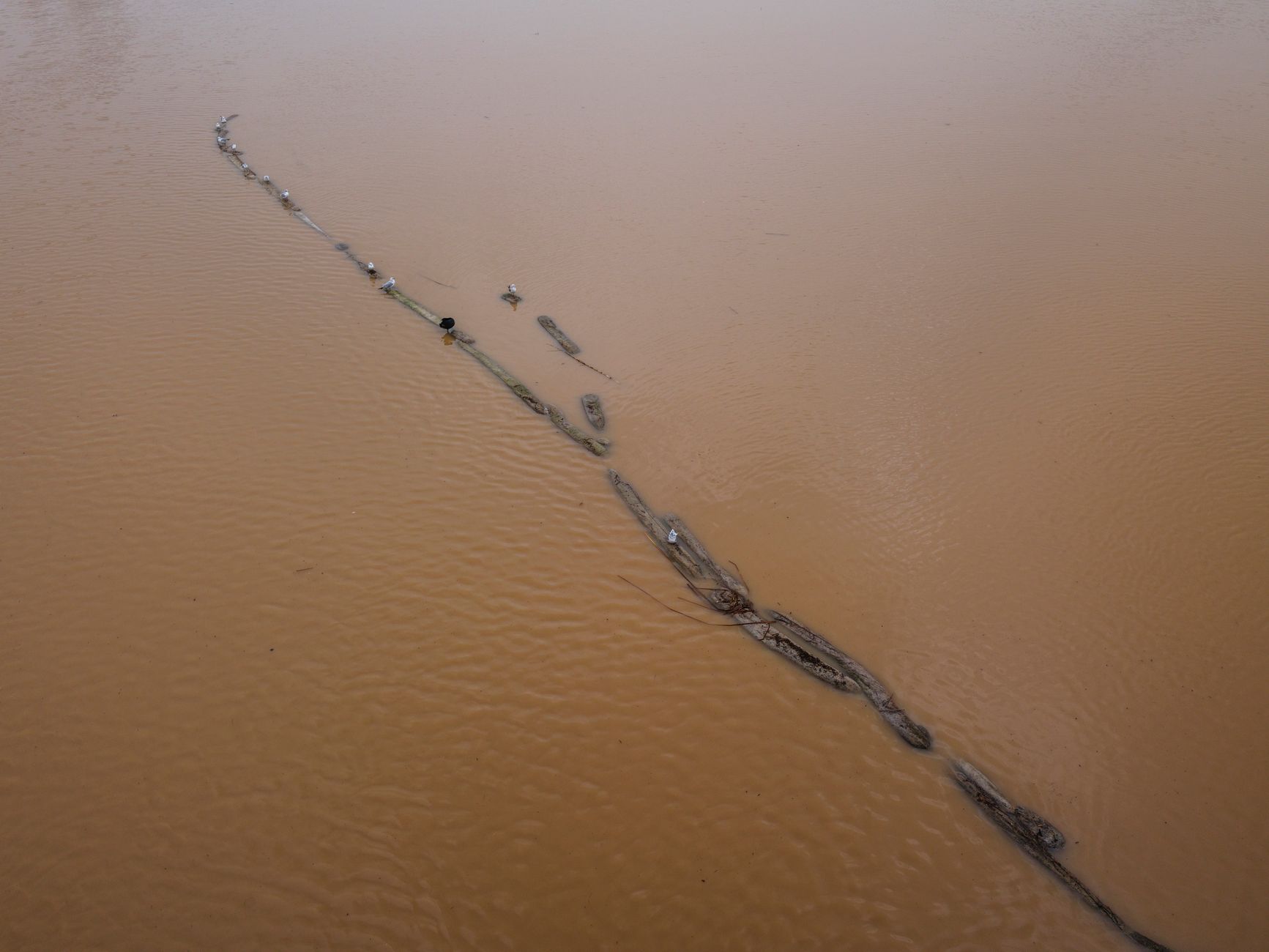
Rescue operations have been extensive. Texas Game Wardens reported participating in the rescue of more than 40 individuals from submerged vehicles and flooded homes, particularly in Uvalde County. Statewide, the deployment of thousands of first responders, boats, and aircraft has led to the rescue of approximately 270 people, with local officials in the Uvalde and Zavala regions accounting for an additional 300 rescues. The Pedernales River, which flows into Lake Travis in Austin, saw water levels expected to rise 5 to 7 feet due to heavy rainfall and controlled releases, prompting officials to urge the public to stay out of the water.
Abbott declared a major disaster on Friday, opening the door to federal aid for at least 28 counties hit hardest by the floods. The disaster declaration aims to support rebuilding efforts following the widespread damage to infrastructure and homes. As forecasters monitor the gradual rise of rivers over the coming days, residents are being urged to remain on high alert, as even minimal additional rainfall poses a severe risk to life and property.
