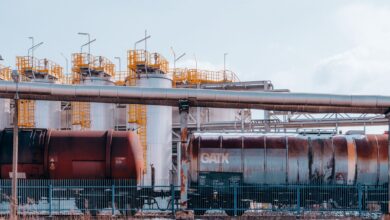

The bifurcation in pricing highlights the complex interplay of global market forces that the Department of Energy-Oil Industry Management Bureau (DOE-OIMB) had projected for the week. The bureau cited global supply, demand, and geopolitics as the primary drivers behind the mixed movements. While the gasoline market saw enough stabilization or improvement in international benchmarks to warrant a price cut, the diesel and kerosene segments continued to face upward pressure. This divergence is significant because diesel is a critical input for commercial logistics, agriculture, and industrial machinery, while kerosene remains a vital heating and lighting fuel for many households and small businesses. The fact that diesel prices are rising for the fourth straight week suggests a persistent structural cost increase in these sectors that is decoupling from the gasoline market trends.
To understand the magnitude of these shifts, it is necessary to look beyond the weekly adjustment to the cumulative year-to-date impact. As of November 18, 2025, the net increase in gasoline prices stood at 19.90 pesos per liter. Diesel prices had risen by a net 24.05 pesos per liter over the same period, and kerosene by 8.65 pesos per liter. The adjustments announced for November 25 represent a modest correction for gasoline relative to this yearly baseline, but they further entrench the higher cost base for diesel. The previous week’s adjustments, which saw gasoline rise by 0.50 pesos and diesel by 1.00 pesos, had pushed these cumulative figures to their current levels. The current week’s mixed signals indicate that while the gasoline market is finding a temporary equilibrium, the diesel market remains under stress, likely driven by different international price benchmarks or regional supply constraints.

The response from the major retail players was coordinated, with separate advisories from the four major brands and the four secondary players aligning on the specific peso values. This uniformity suggests that the domestic pricing is tightly linked to the global crude oil and refined product markets, with little room for individual retailers to deviate from the prevailing cost structure. The Department of Energy’s earlier projection of mixed movements underscores the volatility inherent in the current energy landscape. Geopolitical tensions and shifting supply chains continue to exert pressure on refined products, with diesel often being more sensitive to industrial demand spikes and shipping fuel requirements than gasoline, which is primarily driven by consumer transportation.
For consumers, the immediate effect is a mixed bag. Households and individual drivers will see a slight decrease in their monthly fuel expenditure for gasoline, a welcome reprieve after weeks of increases. However, businesses relying on diesel fleets, as well as households dependent on kerosene for heating or cooking, will face higher operational costs. The 1.30-peso hike in kerosene is particularly notable given its smaller volume consumption but essential nature for certain demographics. The net year-to-date increase of 24.05 pesos for diesel means that commercial operators have already absorbed a significant cost increase, which is likely to be passed on to goods and services, contributing to broader inflationary pressures.
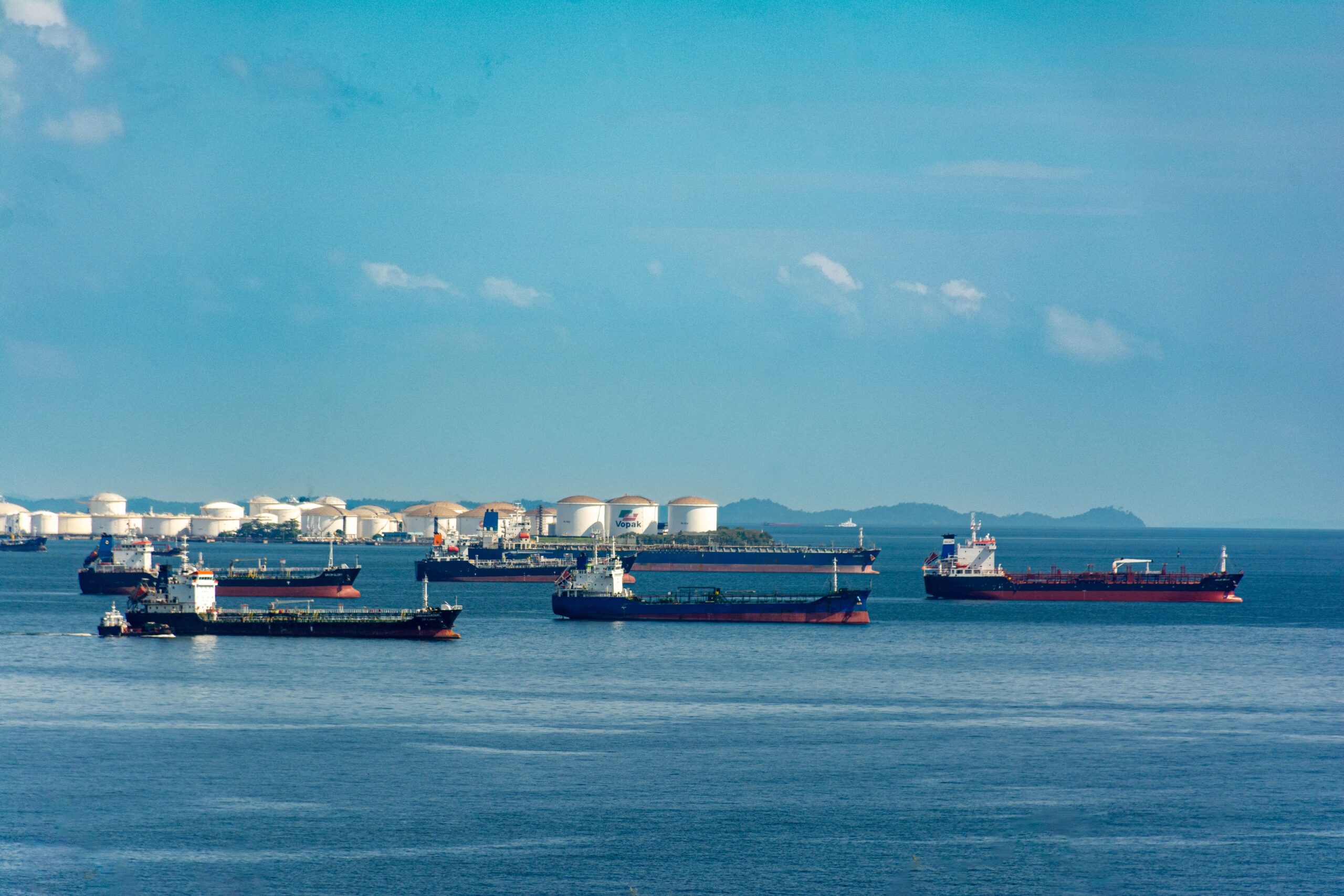
The uncertainty surrounding future price movements remains high. While the gasoline price rollback offers a temporary pause, the continued rise in diesel and kerosene points to underlying structural issues in the global energy market. The DOE-OIMB’s reliance on global supply, demand, and geopolitics as explanatory factors indicates that domestic factors have limited influence on these weekly adjustments. As the market moves forward, the key question for stakeholders is whether the gasoline price stabilization will hold or if it signals a broader market correction. For now, the data shows a market in transition, where the relief for one segment of consumers is offset by increased costs for others, reflecting the fragmented nature of the global petroleum trade.
As the new prices take effect, the focus turns to the next week’s potential adjustments. The recent trend of mixed movements suggests that the market is no longer moving in lockstep, with different product lines responding to different global cues. This divergence may continue if the factors driving diesel and kerosene prices remain unresolved while gasoline markets stabilize. For the average Filipino consumer, the message is clear: the era of uniform price hikes has given way to a more complex, product-specific pricing environment that requires closer attention to the specific fuel type being purchased.