
In a statement released on Friday, October 30, 2026, the Kenya Red Cross Society confirmed that water levels at Idsowe Bridge had risen to 5.5 meters, creating significant downstream pressure. The agency reported that the villages of Miliki, Majaliwa, and Onido in Kipini West, Tana River County, are fully marooned, with roads and footpaths submerged. Additionally, Chalaluma village in Lamu County has been cut off by rising waters, while homes in Hindi and Witu are experiencing increasing water levels.
Emergency response teams have intensified operations, deploying motorized boats to reach isolated communities where standard access routes have been compromised. Images released by the Red Cross show rescue personnel navigating muddy floodwaters that have swallowed farms, vegetation, and critical infrastructure. The organization stated that as of the latest update, its teams remain on the ground alongside partners to assess needs and support affected families while rainfall continues.

The humanitarian impact is substantial. Of the 302 displaced households, 175 had received immediate aid, including food, tarpaulins, and blankets from county and national government bodies. The remaining displaced families are expected to receive assistance as response teams continue their outreach. Broader relief efforts have reached 2,396 households with shelter and hygiene support, and 10 displacement camps have been established to accommodate those who have lost their homes. The Red Cross has also distributed 143,700 water treatment sachets to mitigate the risk of waterborne diseases, a concern heightened by the submersion of several clean water points.
Public health officials and humanitarian workers are monitoring the situation closely for potential outbreaks of infection linked to contaminated floodwater. Medical and nutrition outreaches are being planned for hard-to-reach communities that remain inaccessible due to the extent of the flooding. However, the full extent of damage to homes and infrastructure in Tana River and Lamu counties has not yet been specified, and the number of affected households may change as conditions evolve.
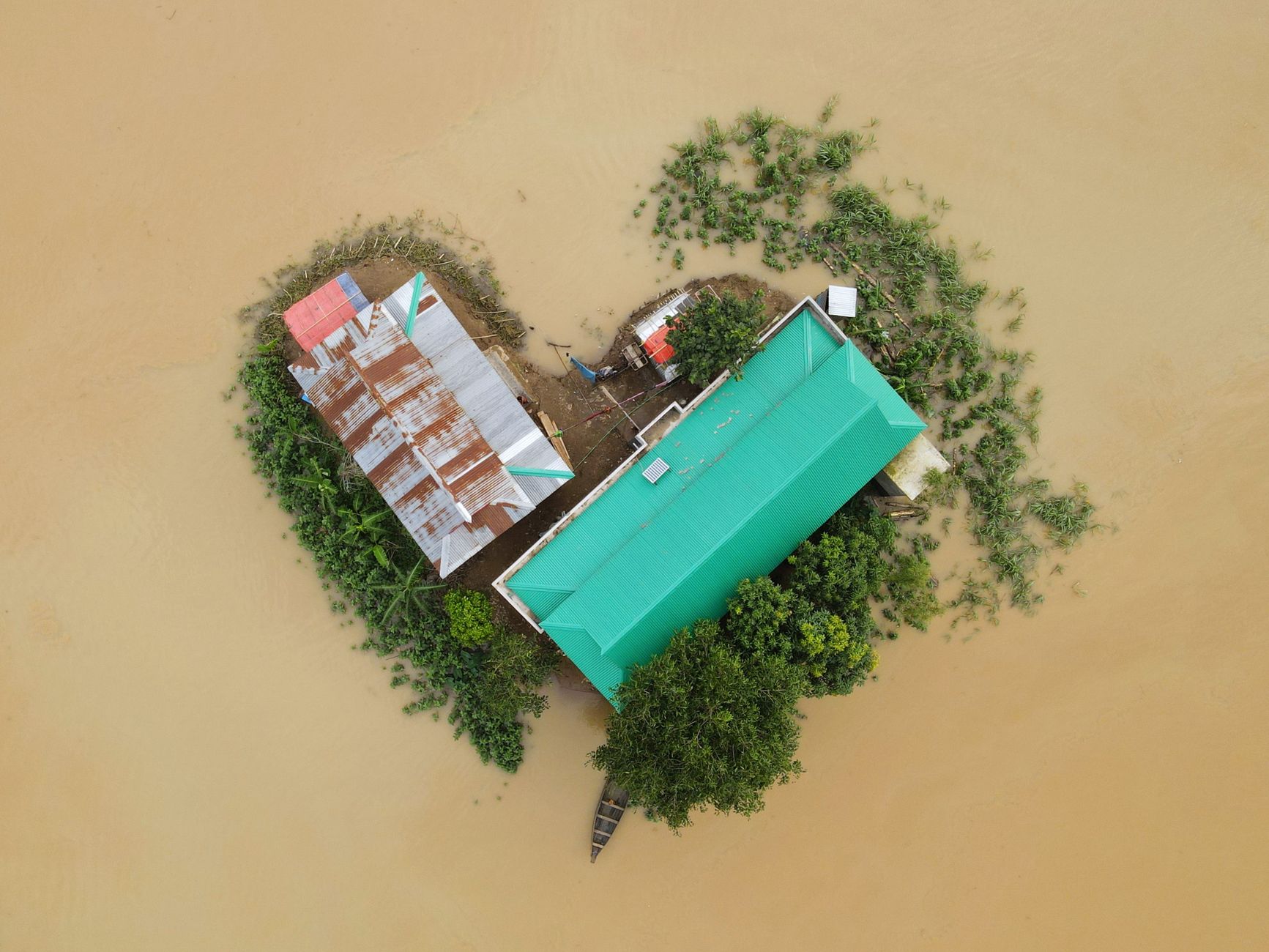
The flooding has reignited debate over the vulnerability of communities living in flood-prone areas, particularly those with limited resources. A report published on Thursday, October 29, titled Divide Disaster: How Climate Chaos Deepens Inequality and Enriches the Few, highlighted by Oxfam, underscores how climate-related disasters disproportionately affect low-income households. While the report focused on Nairobi, its findings illustrate the broader challenge faced by families in informal settlements and vulnerable housing, where limited savings and damaged assets make recovery from disasters significantly more difficult. The current crisis in the Tana Delta exemplifies these dynamics, as residents with fewer resources to prepare for emergencies face greater hardship in recovering lost livelihoods and homes.
Authorities and humanitarian agencies continue to monitor river levels, with fears that sustained high water levels could affect more settlements downstream. The incident serves as a stark reminder of the ongoing tension between climate variability and infrastructure resilience in coastal Kenya. As the immediate rescue phase transitions to longer-term recovery, the focus remains on ensuring that aid reaches the most vulnerable populations while addressing the root causes of repeated displacement in the Tana River basin.