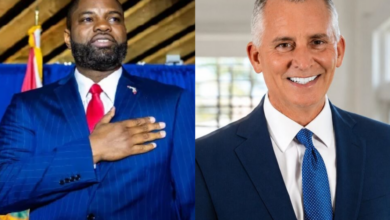
At the center of this development is the Justice Department’s choice to utilize its resources and legal authority in ways that directly impact electoral dynamics. Historically, the Department of Justice maintained a strict firewall between its law enforcement functions and partisan political activity. Federal officials were expected to remain neutral, ensuring that the weight of the federal government was not leveraged to sway voters or assist particular candidates. By breaking this tradition, the administration has effectively politicized a key component of the executive branch, embedding federal power directly into the campaign landscape of the midterm elections.
The political significance of this move is profound. It suggests that the administration is seeking to leverage the resources of the federal state to secure or protect political interests in the face of potential electoral challenges. Midterm elections are traditionally critical moments where the balance of power in Congress can shift, often serving as a referendum on the incumbent president’s performance. By intervening, the Justice Department is not merely enforcing the law but is acting as an instrument of political strategy. This approach blurs the line between governance and campaigning, a distinction that has been carefully guarded in American democratic institutions.
Understanding this development requires looking at how the Justice Department operates within the broader political system. The Department is responsible for enforcing federal laws, which includes a wide range of regulatory and criminal matters. While its actions are legally binding, its discretion in choosing cases, timing of indictments, and public communications has always carried political weight. In the past, this discretion was exercised with a conscious effort to avoid appearing partisan. Now, with the explicit intervention in midterms, that discretion is being applied with a clear political objective. This changes the operational culture of the department, forcing its staff and leadership to navigate a dual mandate: enforcing the law while also serving the political interests of the administration.
The principal actors in this scenario are the Trump administration and the federal judiciary, which will likely be the arbiter of the legality of these interventions. The administration is seeking to maintain or expand its political influence, using the tools of the state to counteract what it may perceive as adverse electoral trends. Opponents of this move, including legal scholars and political rivals, argue that such intervention undermines the fairness of the elections and erodes public trust in the independence of federal institutions. They contend that using the Justice Department to influence elections violates the spirit of the Constitution, which seeks to prevent the executive branch from unduly influencing the legislative branch.
The implications for governance and the public are multifaceted. For voters, the involvement of the federal government in the electoral process complicates the decision-making process. It raises questions about whether legal actions taken by the Justice Department are based solely on merit or are also designed to create political advantages. This could lead to increased polarization, as each side may view the other’s actions through a lens of political bias rather than legal necessity. Furthermore, this precedent could have long-term effects on future elections, potentially normalizing the use of federal resources for partisan ends.
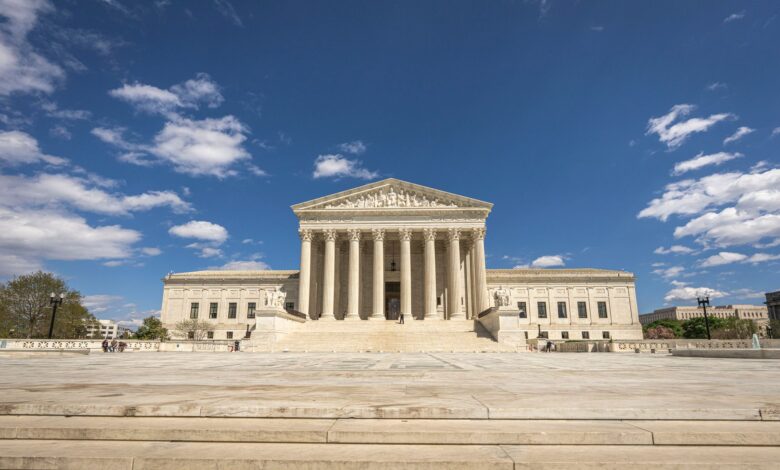
Credible opposing positions argue that this intervention is not only politically damaging but legally questionable. Critics point to the principle of separation of powers, which dictates that the executive branch should not overstep its boundaries to influence the legislative branch. They argue that the Justice Department’s primary role is to uphold the law, not to serve as a political arm of the administration. Legal challenges are expected, with courts likely to be asked to define the limits of executive power in the context of elections. These legal battles will be crucial in determining whether this new approach is sustainable or whether it will be struck down as an overreach.
What remains uncertain is the extent to which this intervention will succeed in achieving its political goals. While the administration may believe that leveraging federal power will sway voters, the long-term consequences for public trust are difficult to predict. Historically, attempts to use government institutions for partisan gain have often backfired, leading to decreased confidence in those institutions. The outcome of the midterm elections will be a key indicator of the effectiveness of this strategy, but regardless of the electoral result, the precedent set by this intervention will have lasting implications for the US political system.
The central decision by the Trump Justice Department to intervene in the midterms represents a significant break from historical norms. It reflects a broader trend of political polarization and the increasing use of state resources for partisan purposes. As the elections approach, the focus will remain on how this intervention unfolds and how the legal and political systems respond to this challenge to traditional norms. The next development to watch will be the legal challenges that arise, as courts begin to assess the legality of the Department’s actions. This legal scrutiny will be pivotal in determining whether this new approach will be accepted as a legitimate part of the political process or rejected as an improper use of federal power.