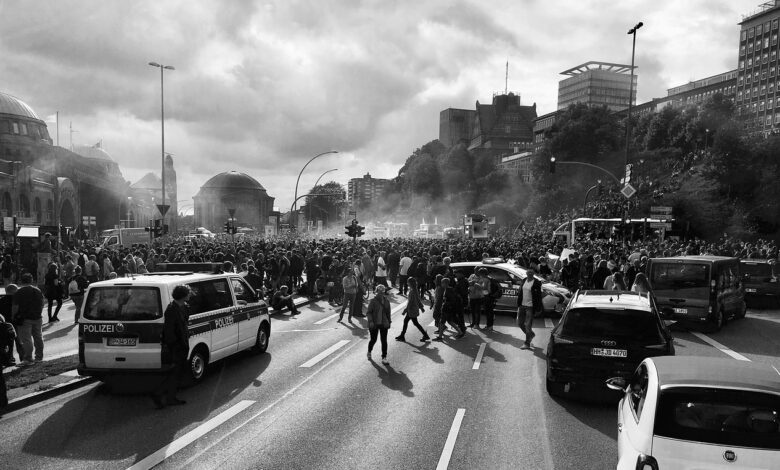
The protests, organized under the banner “Gen Z regelt” (Gen Z Takes Charge), were held in 34 cities, including Berlin, Cologne, Hamburg, and Munich. The movement drew inspiration from recent large-scale youth demonstrations in France and Italy, channeling frustration over what organizers and participants described as a deteriorating economic environment for the younger generation. Placards carried by demonstrators featured slogans such as “Our future is not for sale,” “Education, not bombs,” and “Eat the rich,” reflecting a blend of economic anxiety and political dissent directed at Chancellor Friedrich Merz’s government.
At the core of the economic narrative is the tangible impact of inflation on household budgets. Speakers at the Berlin rally, such as Kaja Schwab, articulated a sentiment that the traditional social contract—working hard to secure a stable future—has broken down. “In reality, the life is getting unaffordable,” Schwab said, highlighting a disconnect between official growth metrics and the lived experience of young workers. The “Gen Z regelt” initiative has formally called for increased state funding for schools, addiction treatment, and psychotherapy, alongside concrete measures to combat rising living costs. This focus on public service provision and cost-of-living relief indicates that the economic grievance is not merely about wages, but about the accessibility of basic services and social support in an increasingly expensive economy.
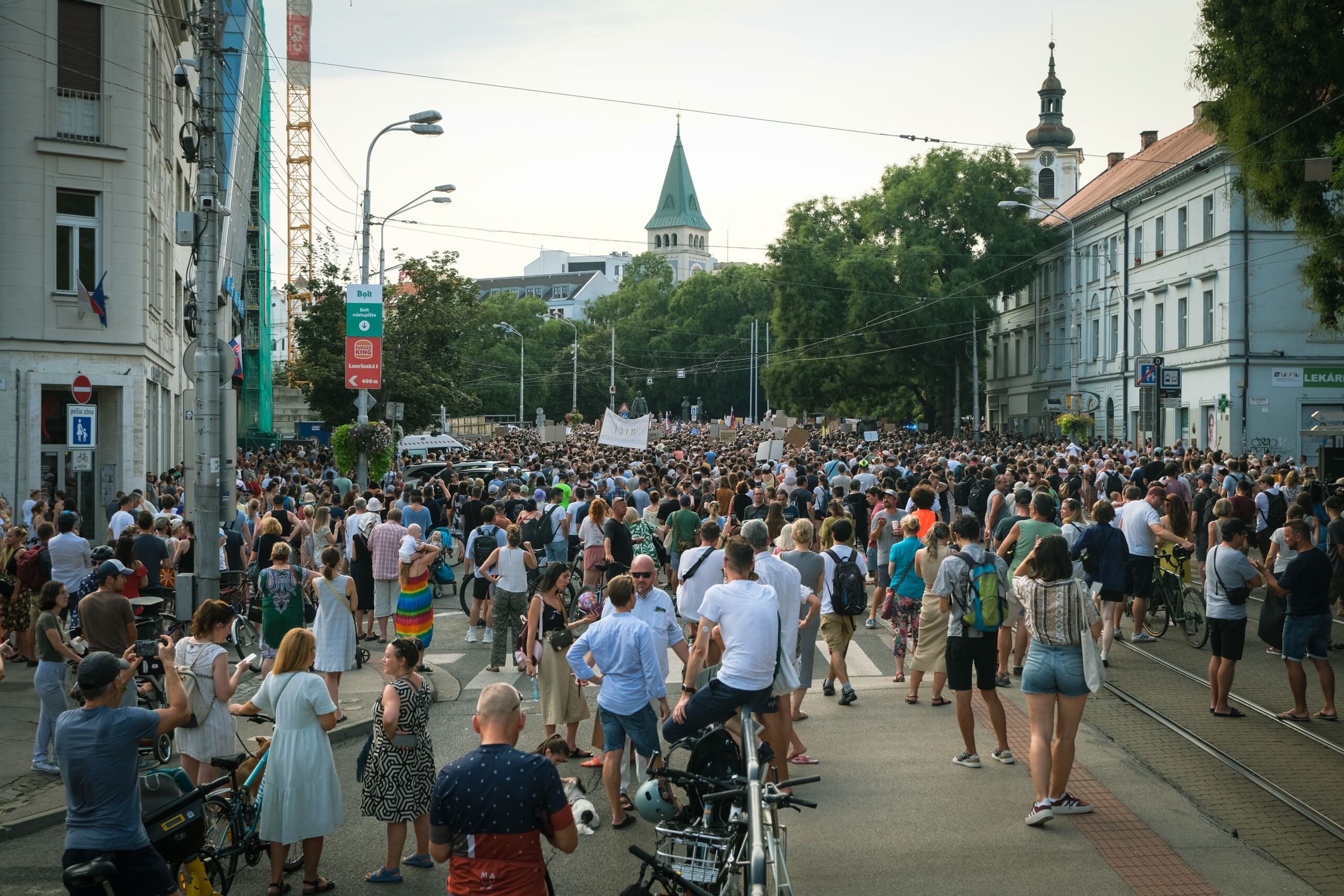
However, the scale of the economic mobilization appears to have been more modest than anticipated. While the “Gen Z regelt” organizers initially claimed 100,000 participants, later estimates from Al Jazeera and other sources settled around 120,000 nationwide, a figure notably below the roughly 180,000 the group had expected. In Berlin, police estimated 5,000 people gathered at the Brandenburg Gate, while organizers claimed 10,000. In Hamburg, police estimated 6,700 participants. These discrepancies in turnout data underscore the difficulty in measuring the true depth of economic discontent, though the presence of tens of thousands of marchers in major economic centers signals a significant undercurrent of dissatisfaction among the labor force and consumer base of the future.
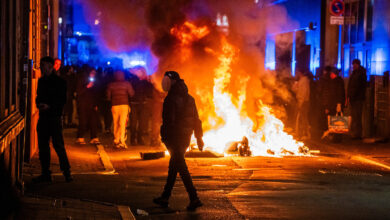
The transition from economic protest to civil unrest introduced a layer of complexity that threatens to obscure the financial demands. In Frankfurt, rioters targeted a specialist firearms shop, where police recovered two weapons, and looted stores for goods such as trainers. In Cologne, attackers near the cathedral threw bottles and bicycles at officers. Hesse Interior Minister Roman Poseck stated that approximately 100 attackers motivated by “extreme leftist ideology” were responsible for the violence in his state, noting that one officer may have been injured seriously. Police authorities in multiple cities, including a spokeswoman in Cologne, suggested that some of the violence was linked to Halloween celebrations rather than the political demonstrations themselves. Andreas Rosskopf, chairman of the police union representing the Federal Police, characterized the demonstrations as “very peaceful” and attributed the riots to “autonomous and, in some cases, masked individuals” who used the protests as cover.
This divergence in narrative creates uncertainty for the broader economic outlook. While the “Gen Z regelt” group has distanced itself from the looting and violence, stating, “We did not have any influence on what happened after the demonstrations,” the association between the economic protest and the subsequent disorder may complicate the political response. The group has called for new demonstrations on November 14 to keep pressure on the government, indicating that the underlying economic grievances remain unresolved. The movement’s opposition to mandatory military service and government surveillance, coupled with its demand for a “fairer distribution of the burden,” suggests a broader critique of state policy that extends beyond immediate price controls.
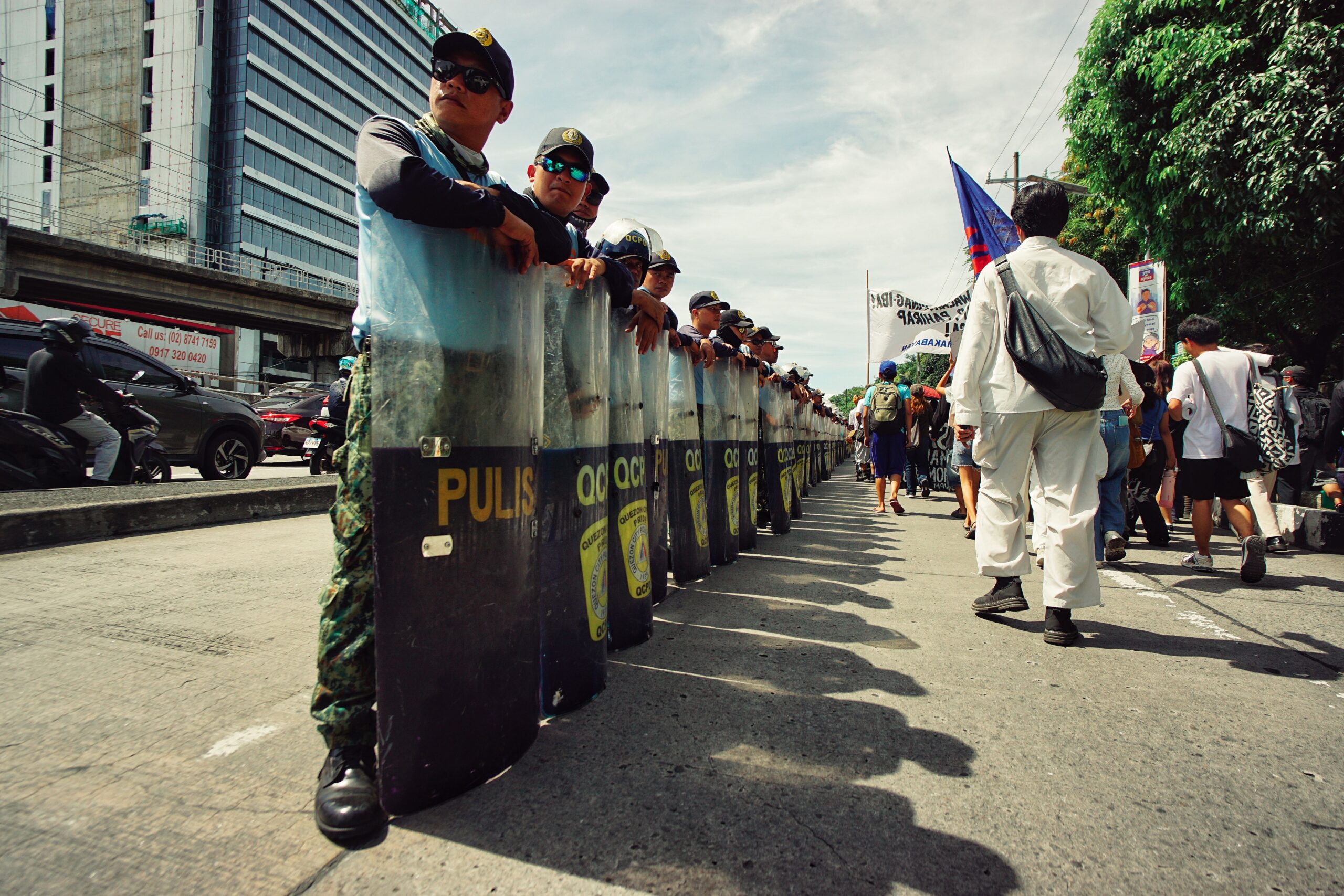
The economic implications of these protests are multifaceted. For businesses, the overnight shift from peaceful march to rioting in commercial hubs like Frankfurt and Cologne resulted in immediate property damage and operational disruptions. The sealing of major shopping streets and the use of water cannons and pepper spray by police highlight the high cost of maintaining public order. For the government, the protests present a test of its ability to address the cost-of-living crisis that has fueled similar unrest in France. The demand for better schools and social services points to long-term fiscal pressures, as the state is called upon to increase spending in sectors that have seen underinvestment.
As the dust settles on Saturday’s events, the next phase of this economic and social confrontation will be determined by the government’s response to the “Gen Z regelt” demands. The scheduled protests in mid-November will serve as a barometer for whether the economic anxiety of the younger generation is being addressed or if the cycle of demonstration and unrest will continue. For now, the contrast between the 120,000 who marched for economic fairness and the hundreds who looted in the night leaves a complicated legacy, one where the message of economic hardship is inextricably linked to the violence that followed it. The Zeil in Frankfurt, now quiet, remains a symbol of this tension: a commercial artery that was both a target of economic dissatisfaction and a scene of physical destruction.