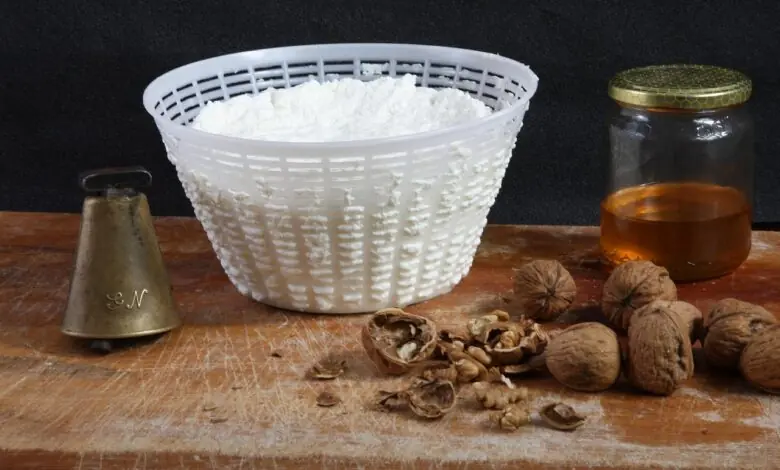
The central development in this outbreak is the identification of a specific food vehicle: soft ricotta cheese, often referred to as requeson. The CDC reports that six of the eight patients interviewed reported consuming any soft cheese prior to the onset of symptoms. Two of these patients specifically reported eating cheese from Clover Hill Dairy, a Maryland-based company. Consequently, Clover Hill Dairy recalled its requeson or soft ricotta cheese, which had been sold at its retail market and through other distributors. This product was distributed between May 4 and May 30 at various retailers in North Carolina, New York, Virginia, Maryland, New Jersey, and Washington, DC.
The scope of the contamination has widened beyond a single producer. The Food and Drug Administration (FDA) announced that Nelson & Isa Lacteos, located in Bay Shore, New York, has voluntarily recalled 1-pound packages of requeson cheese sold in clear plastic clam-shell containers. These products were available at retail locations in New York from May 15 to May 28, 2026. The FDA issued a specific caution regarding the physical appearance of the recalled items, noting that the cheese was likely repacked at retail store locations. This means that labeling or coding of the recalled cheese may vary based on the location of purchase, making it difficult for consumers to identify affected products solely by packaging codes. The agency emphasized that the investigation is ongoing and that additional products may be impacted, with further testing by the FDA and state partners currently underway.
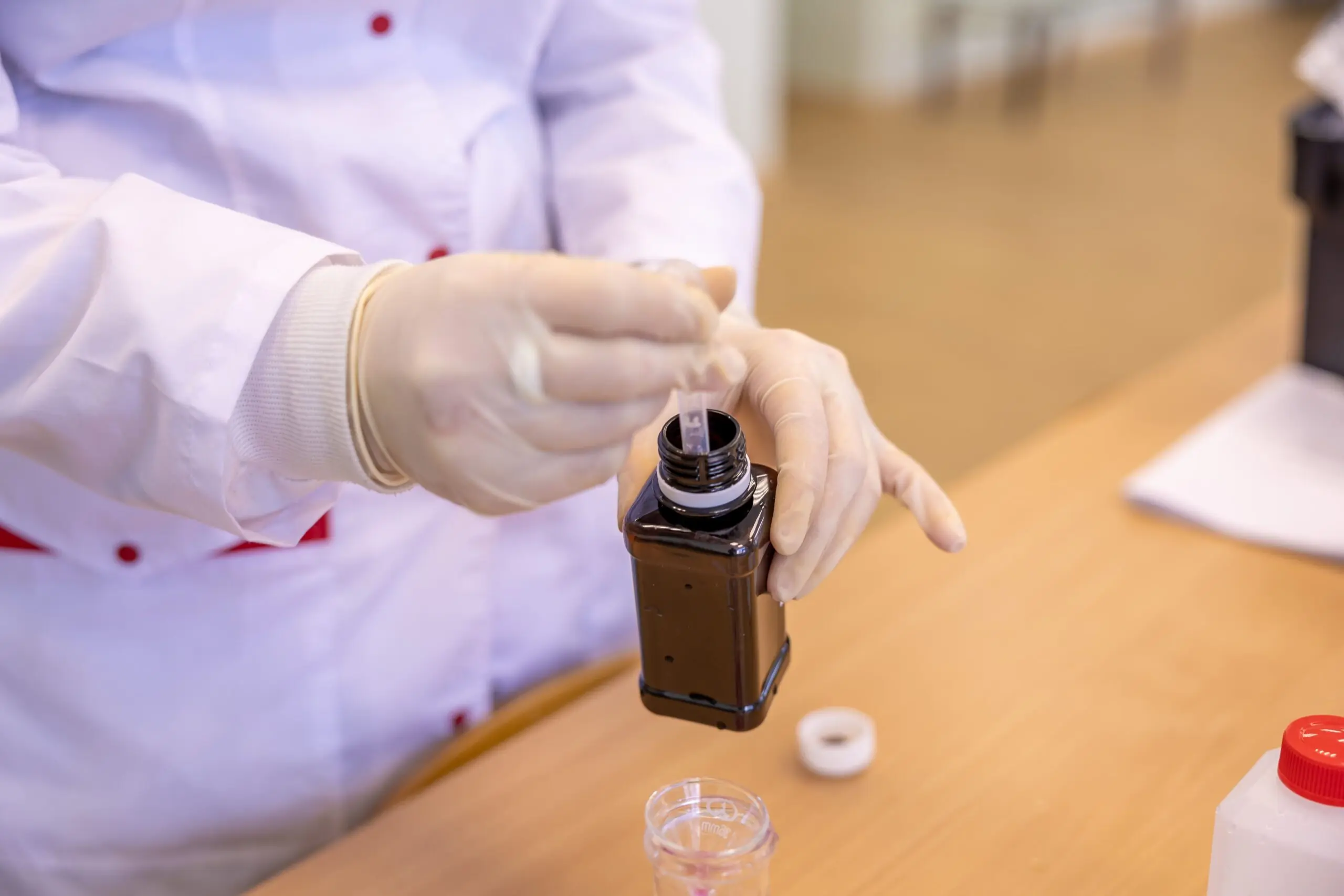
Listeria monocytogenes is a bacterium that can cause a serious and sometimes fatal illness called listeriosis. While it affects healthy adults, the risks are significantly heightened for specific populations. The CDC and FDA recommend that pregnant women, people aged 65 and older, and individuals with weakened immune systems avoid all soft cheeses. These groups are at higher risk for severe complications, including miscarriage, stillbirth, or life-threatening infections. The current outbreak has sickened three people in each of New York, Maryland, and Virginia, illustrating how a localized production issue can rapidly become a multi-state public health concern due to modern distribution networks.
Health authorities are urging the public to act decisively. Both the FDA and CDC recommend not eating, selling, or serving the recalled soft ricotta or requeson cheese. For those who consume these products regularly, the guidance is clear: if you are in a high-risk category, the safest course of action is to abstain from all soft cheeses until the investigation concludes and all potentially contaminated products are removed from shelves. The economic and logistical impact of such recalls is significant, as distributors must trace and remove products from various retailers across six states and the District of Columbia.
The medical significance of this outbreak extends beyond the immediate cases. Listeriosis is a rare but serious foodborne illness. The fact that eight out of nine confirmed cases required hospitalization highlights the burden on healthcare systems when a preventable pathogen spreads through a widely consumed food item. The CDC’s data on drug-resistant bacteria and fungi, which cause millions of infections annually, serves as a backdrop to the ongoing challenges of food safety. However, in the immediate term, the focus remains on the specific strain linked to the ricotta cheese. The cooperation between the FDA, the CDC, and state health partners is critical to identifying the source of contamination and preventing further infections.
As the investigation proceeds, the verification of the link between the cheese and the illnesses remains the priority. The FDA’s note that additional products may be impacted suggests that the recall list is not yet final. Consumers are advised to check for updates from their local health departments and the FDA. For the patients currently hospitalized in New York, Maryland, and Virginia, the recovery process is underway, but the case in Maryland remains a stark reminder of the potential lethality of listeria. The next verified development will likely involve the completion of the broader product tracing and the finalization of the recall scope, ensuring that no contaminated cheese remains in the supply chain.