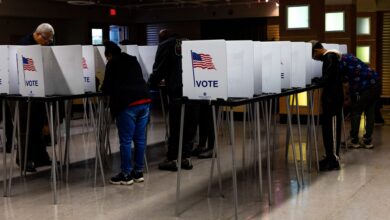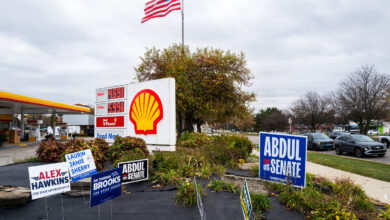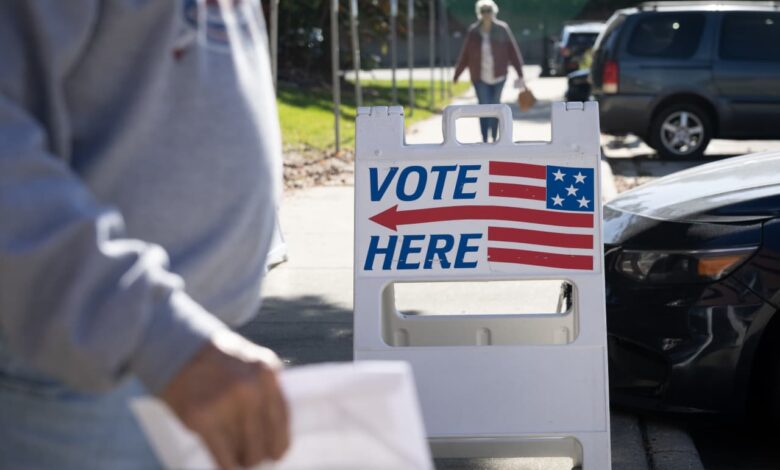
Economic factors are driving voter decision-making in this cycle. According to the same Reuters/Ipsos data, 48 percent of registered voters ranked the cost of living as the most important factor in deciding their vote. This economic anxiety is compounded by general dissatisfaction with President Trump, which the survey identified as a top concern for nearly half of the electorate. These findings highlight how domestic economic conditions are overshadowing other political issues in the final push to the polls.
Market analysts caution that current expectations may not fully reflect the shifting dynamics revealed by recent polling. One analyst noted that prediction markets risk suggesting “too much confidence in a good night for Democrats,” potentially overlooking the narrowing partisan gap. While the poll data shows Democrats ahead, the reduced margin indicates that the outcome is closer than some financial instruments may currently price in, adding an element of uncertainty to the final results.

Christine Matthews, president of Bellwether Research and Consulting, a center-right pollster, discussed the implications of the last polling data ahead of Election Day on NPR. Her analysis, along with the survey results, underscores the competitive nature of the upcoming vote. The data points to a electorate deeply focused on personal financial stability rather than broad ideological platforms.
The close margin in the polling marks a shift from earlier in the campaign, when Democratic leads were wider. The reduction from an 11-point to an 8-point advantage suggests that late-breaking economic concerns are influencing undecided or swing voters. As election day approaches, the focus remains on whether the cost-of-living crisis will continue to drive turnout and voting patterns in key congressional districts.
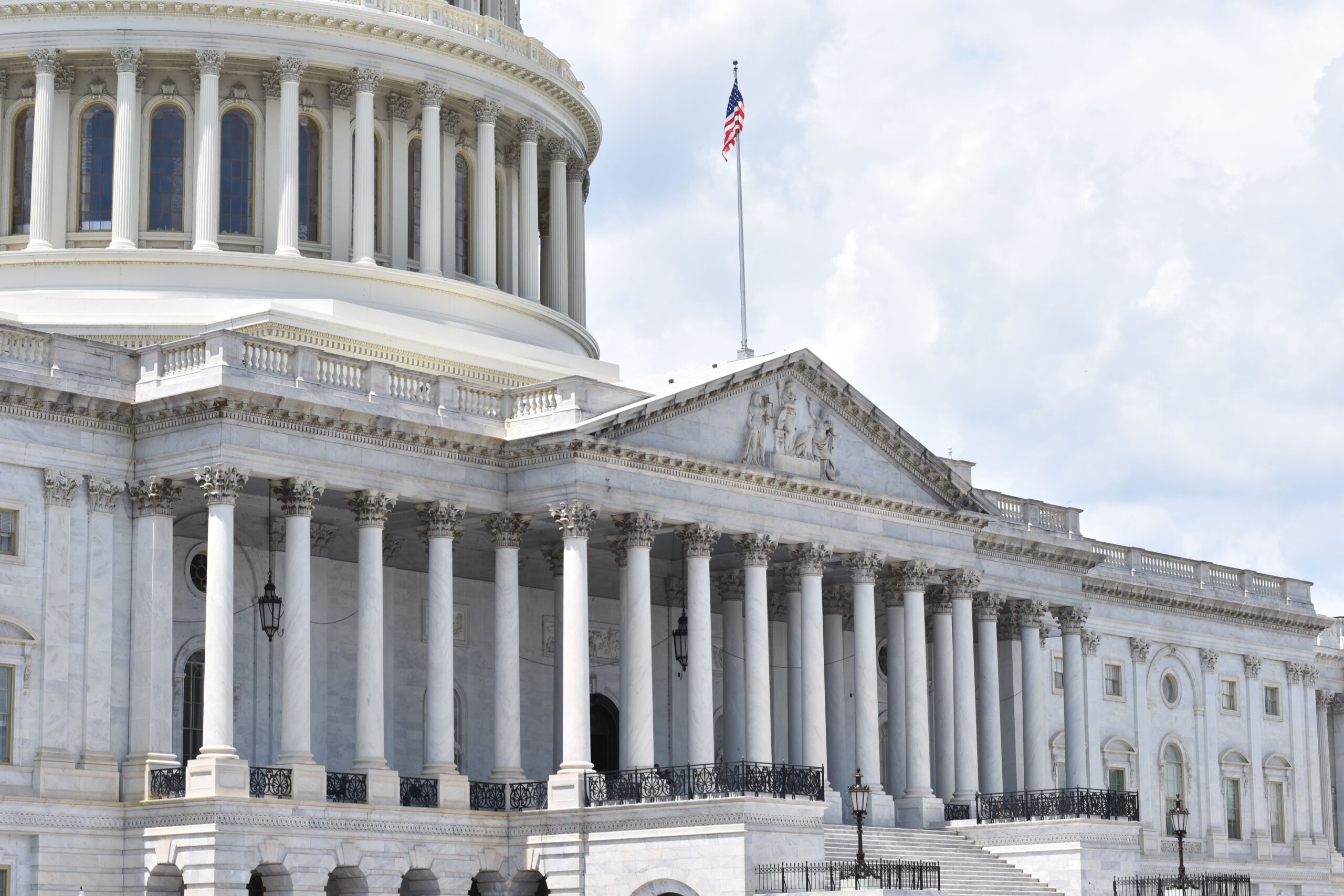
Official results will be tallied as polls close on Tuesday. The narrow lead indicated by the survey means that small shifts in turnout or late-voter preferences could determine the balance of power in Congress. Political observers are watching closely to see if the predicted Democratic edge holds up against the backdrop of widespread economic dissatisfaction and a shrinking partisan gap.