The political significance of these elections extends beyond a simple change in committee leadership. It represents a direct test of the executive branch’s ability to advance its policy goals against a hostile legislative environment. If Democrats secure a majority in the House, the dynamics of governance would shift from legislative partnership to adversarial oversight. This change would not only affect the passage of new laws but also the transparency and accountability mechanisms applied to the Trump administration. The stakes are framed not merely as a partisan contest, but as a determination of whether the current executive agenda will face immediate and substantial legislative resistance.
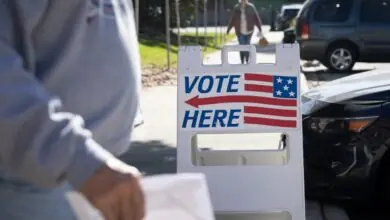
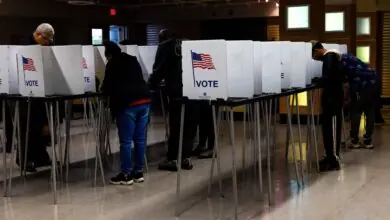
However, the path to determining this political outcome was complicated by the mechanics of the voting process itself. While the national narrative focused on high-stakes congressional control, individual voters faced practical hurdles that could influence turnout and participation. In Texas, the complexity of navigating the voting system was identified as a factor that could discourage participation, particularly among younger demographics. The physical and procedural barriers to casting a ballot were significant enough that specific interventions were required to ensure that eligible voters could exercise their rights.
In response to these obstacles, local organizations in Austin, Texas, implemented targeted outreach strategies to support voters. One such group reached out to the public by distributing free food, a tactic designed to lower the immediate economic or logistical barriers to voting. Following this initial engagement, the organization provided assistance to help individuals overcome the specific difficulties of the voting process. This ground-level effort illustrates a broader challenge in American elections: the tension between the high political stakes of the midterm cycle and the often-burdensome reality of voter participation. The need for such direct intervention highlights that access to the ballot is not always seamless, and that structural or procedural friction can disproportionately affect certain groups of voters, such as those who are younger or less familiar with the system.
The interplay between the national political maneuvering and the local logistical challenges creates a complex picture of the 2024 midterm elections. On one hand, the parties are engaged in a high-level struggle for legislative control, with Democrats seeking to leverage a potential House majority to check executive power. On the other hand, the very mechanism of that power—voting—requires active navigation and, in some cases, external support to function effectively for all citizens. The reports from Washington and Austin together suggest that the outcome of these elections will be shaped not only by political alignment and campaigning but also by the ability of voters to successfully navigate the electoral process despite existing barriers.
As the votes are counted, the focus remains on whether the Democrats can achieve the necessary margin to take control of the House. If successful, the administration faces an immediate and structured opposition capable of stalling legislative initiatives and initiating inquiries. Conversely, if Republicans retain control, the executive branch may continue to operate with a more cooperative legislative body. The efforts of organizations in states like Texas to mitigate voting hurdles underscore the fragility of participation in a system where access can be difficult. The final tally will determine not just who holds the gavel in the House, but how effectively the next phase of American governance can function amidst these institutional and procedural constraints.