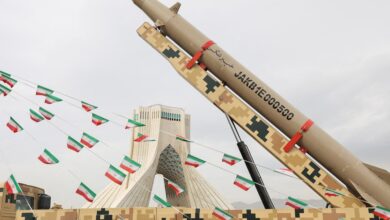
Laurel Rapp, director of Chatham House’s U.S. and North America Programme, told CNBC that while the president remains somewhat constrained on matters of oversight and investigation, he retains significant latitude in foreign policy. Rapp noted that the conflict with Iran, which began with joint U.S.-Israeli strikes on February 28, became a “major issue” in the election cycle due to soaring fuel prices and inflation. She stated that Democrats will seek to use their “power of the purse” to limit spending on U.S. military operations and Iran-related costs, potentially passing legislation to direct the administration to end its involvement in the conflict.
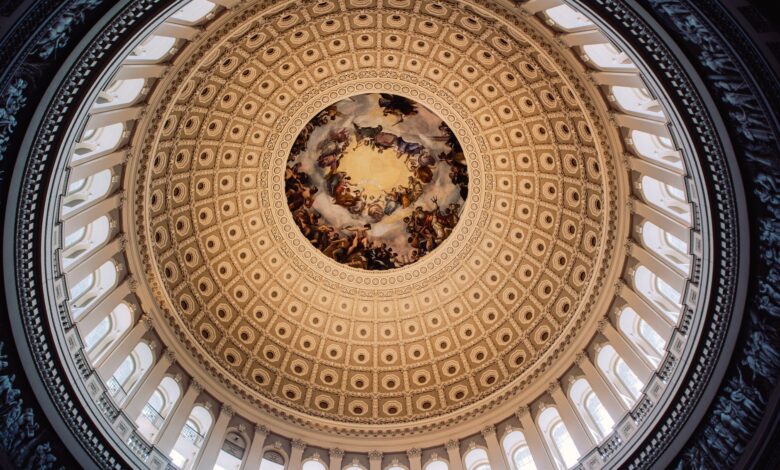
However, making such measures binding over a presidential veto would require a supermajority in Congress. J.C. Lintzenich, a visiting senior fellow at the German Marshall Fund, emphasized that the election changed the Congress, not the president. “The President of the United States still has lots of power, lots of authority,” Lintzenich said, noting that pending actions in Iran and unresolved situations with Russia and Ukraine remain under executive control. He described the outgoing Congress as more willing to allow the White House latitude, whereas the new Democratic-led body is expected to be more assertive in applying Article I powers over legislation, spending, and oversight.
Berenberg Chief Economist Holger Schmieding warned of “more trouble ahead” as Trump loses control of the Senate. Schmieding characterized the president as a “perennial attention seeker without a consistent long-term strategy,” predicting he may pursue “dangerous geopolitical adventures” in his final two years. He noted that Congress is unlikely to fund an expensive campaign similar to the Iran war, leading to significant “foreign policy noise.” Regarding Ukraine, Schmieding identified the conflict as a “tail risk,” suggesting Trump might attempt to pressure Ukraine to de facto surrender to Russian demands. However, he assessed this as unlikely, citing the decline of Trump’s influence within the Republican party and the fact that most Republicans, including Secretary of State Marco Rubio, do not share his sympathy for Vladimir Putin.
The economic backdrop of the election also highlights domestic pressures influencing foreign policy debates. While the primary driver cited for the shift in Congress was opposition to the administration’s handling of inflation and fuel costs, broader economic impacts such as tariffs are also under review. A report by consulting firm Epiq Global indicated that small business bankruptcies increased by 46 percent from the previous year, with many small business owners stating they are being stifled by import taxes. As the new Congress convenes, the immediate focus will be on whether legislative controls can effectively check executive authority in ongoing military and diplomatic engagements.