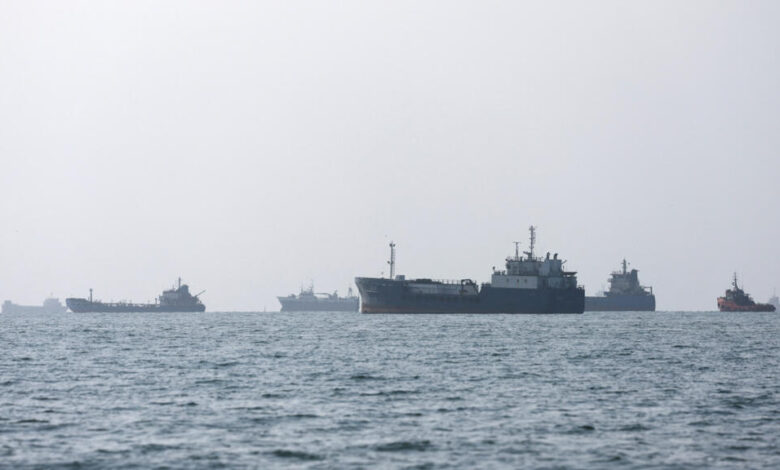
The Strait of Hormuz remains a focal point of strategic concern due to its role as a primary conduit for global petroleum exports. The reported mine strikes target commercial shipping, introducing immediate logistical and economic disruptions. While the specific technical details of the mines used—such as whether they were contact or influence-type, or their specific deployment method—have not been detailed in the initial reporting, the use of mines in this waterway represents a persistent capability employed to deny access or impose costs on maritime traffic. The claim by Tehran that the tankers hit mines aligns with historical patterns of Iranian naval strategy in the region, which often emphasizes asymmetric advantages over conventional naval forces.
This development follows a direct escalation in hostilities, characterized by the US President’s public statement regarding strikes on Iran. The temporal proximity between the announced US military operations and the reported tanker incidents suggests a potential linkage in the broader operational tempo of the conflict, although the specific causal relationship between the two events remains subject to ongoing verification. The US strikes represent a conventional military response, whereas the mine strikes reflect a strategy aimed at leveraging geographic constraints to inflict economic and operational pressure.
Parallel to these kinetic events, diplomatic channels have remained active but largely stagnant. Discussions aimed at ending the war, facilitated by mediators, have continued but have shown little sign of a near-term breakthrough. This diplomatic impasse creates a vacuum in which military risks are not mitigated by de-escalation agreements. The lack of a clear diplomatic off-ramp increases the likelihood that incidents like the tanker fires will continue to shape the trajectory of the conflict, potentially leading to further retaliatory measures or expanded operational engagements.
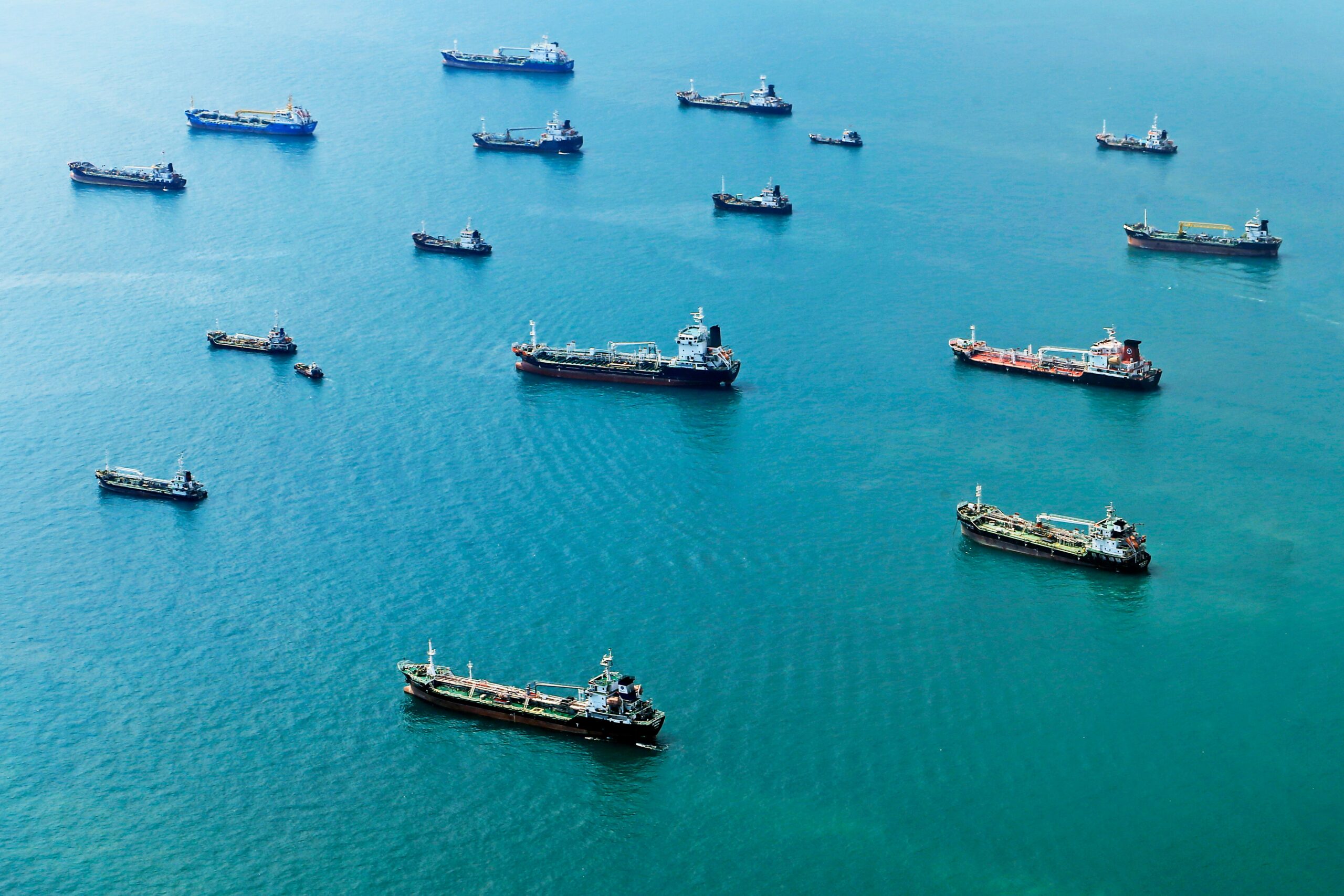
The immediate military objective implied by the mine strikes is the disruption of maritime commerce and the demonstration of the ability to threaten critical infrastructure. For the involved forces and commercial entities, the limitations of current security postures are highlighted; while naval escorts provide protection, the sheer volume of traffic through the Strait makes comprehensive coverage challenging against widespread mine threats. Logistically, the incident forces a reconsideration of route safety and insurance risks for energy transporters, potentially altering global supply chain dynamics in the short term.
Strategically, the situation affects deterrence calculations for both parties and their respective allies. The US strikes signal a willingness to engage directly, while the mine strikes demonstrate Iran’s capacity to impose costs without direct conventional confrontation. For regional security, the instability in the Strait of Hormuz poses a threat to neighboring states and international partners reliant on stable energy flows. The consequences are not merely military but also economic, with the potential for prolonged volatility in oil markets and increased shipping costs.
However, significant uncertainties remain. The claims regarding the number of tankers affected and the specific nature of the damage are based on initial reporting and official claims from Tehran, which have not yet been independently verified by third-party organizations or the affected shipping lines. The precise extent of the US strikes mentioned by President Trump is also limited to the public announcement, with further operational details likely classified or pending release. The role of mediators remains unclear, with no confirmed terms or progress reports available to the public.
The human and economic consequences of these events are profound, affecting not only military personnel but also civilian mariners and global consumers. While specific casualty figures from the tanker incidents have not been provided in the source material, the threat to commercial vessels inherently places civilian crews at risk. The broader impact includes increased anxiety among trading partners and potential adjustments in global energy policy as actors seek to secure alternative routes or increase strategic reserves.
The incident in the Strait of Hormuz serves as a stark reminder of the fragility of maritime security in times of heightened geopolitical tension. As the conflict between the United States and Iran continues, the interplay between direct military strikes and asymmetric naval threats will likely define the next phase of the engagement. The next confirmed development will hinge on whether the mediators can secure a cessation of hostilities or if further military actions are taken by either side, potentially expanding the scope of the conflict beyond the immediate maritime domain.