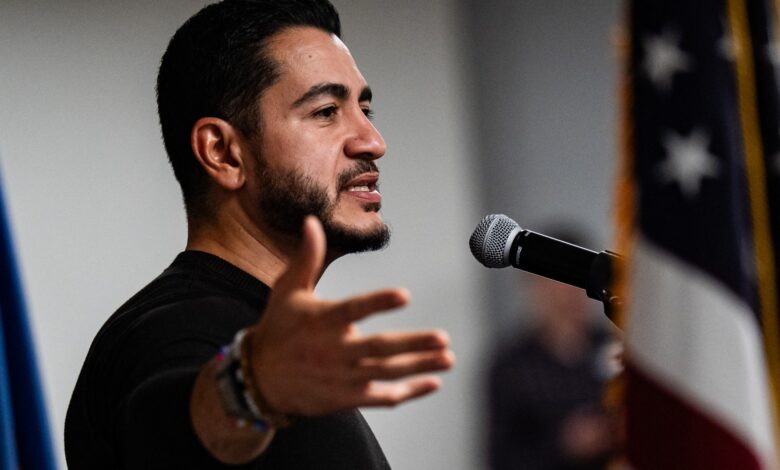
The impetus for this shift appears to be a widespread distaste for the organization among voters, particularly in competitive races. The group’s brand has become a liability for some candidates, creating a political environment where accepting AIPAC funds is viewed with suspicion. This sentiment was exemplified by the case of Abdul El-Sayed in the Michigan Senate race, where his reluctance to initially accept AIPAC money was cited as evidence of the group’s ubiquity in political hostility. Although El-Sayed held right-wing views, his hesitation illustrated how the perception of AIPAC had evolved from a neutral supporter of a “warm and friendly country” to a symbol associated with an “apartheid regime that is committing genocide,” according to critical assessments. This perception gap has forced the lobby to reconsider its direct engagement with the electoral process.
Historically, AIPAC operated in the shadows, relying on “informal understandings with big donors and allied but ostensibly independent PACs” rather than direct, publicized spending. Its endorsements were once “clear but unofficial.” However, in the current cycle, the group has attempted to expand its direct presence, testing tactics that have since become part of its new hybrid approach. As Democrats and other political actors distance themselves from the group, AIPAC is now ending its direct endorsements and contributions to mitigate the reputational risk that comes with overt association. The goal is to continue influencing races quietly, ensuring that attack ads and other political maneuvers are not easily attributed to the lobby.
Central to this new strategy is the maintenance of the United Democracy Project (UDP), a super PAC. By funneling support through UDP, AIPAC hopes to obscure its involvement in campaigns that may feature attack ads with little direct connection to Israel but designed to denigrate candidates who show any tendency toward advocating for Palestinian rights. Critics argue that this opacity is a deliberate tactic to withstand the “sunlight” of public scrutiny. If the UDP can be dragged into the light, as has happened with previous AIPAC-linked PACs, it too may wither. The effectiveness of this strategy relies on the disconnect between the funding source and the political message, a disconnect that is increasingly difficult to maintain in an era of heightened transparency and digital mobilization.
Independent reporting, including a new project by The Intercept, reveals that hundreds of candidates are still taking the pro-Israel lobby’s cash, complicating the narrative of a complete retreat. These findings suggest that while the direct, branded endorsements are disappearing, the financial influence remains robust, albeit more hidden. The Intercept’s analysis indicates that AIPAC is obscuring its spending, making it harder for voters and journalists to track the flow of money until it is “too late.” This aligns with the assessment that the next election cycle could see an expansion of the “pop-up PAC strategy,” further blurring the lines between independent political action and organized lobbying.
The geopolitical and domestic pressures driving this change are multifaceted. On one hand, the group faces a backlash from voters who have “wised up” to the disparity between AIPAC’s portrayal of Israel and the reality of the conflict, particularly regarding the situation in Gaza. On the other hand, the rise of new pro-Palestine groups, though financially less deep-pocketed, has created a counter-narrative that challenges AIPAC’s traditional monopoly on pro-Israel political messaging. In primaries defined by U.S. military support for Israel, pro-Palestine candidates have often emerged on top, signaling a shift in the electoral landscape that AIPAC must navigate without the shield of direct, public endorsement.

The implications of this strategic pivot extend beyond the 2026 midterms. If AIPAC’s current approach of quiet influence fails to protect its brand from public association with controversial policies, it risks a more profound isolation. The “toxicity” of its brand is not merely a temporary political inconvenience but a structural challenge to its long-standing model of engagement. As the group moves further into the shadows, the tension between its desire to maintain influence and the public’s demand for transparency will define its future role in American politics. The coming months will test whether the UDP strategy can sustain the lobby’s power or if the lack of direct accountability will lead to its eventual diminishment, mirroring the fate of previous, more visible financial vehicles.
Ultimately, the shift represents a acknowledgment that the old rules of engagement no longer apply. AIPAC is no longer operating in a vacuum where its support for Israel is viewed without political cost. The group is now forced to balance its strategic objectives with the reputational risks of a polarized electorate. Whether this retreat into opacity succeeds in preserving its influence or accelerates its decline remains the central question for the upcoming electoral cycle, with the fate of candidates like Abdul El-Sayed serving as a pivotal indicator of the changing political dynamics.