The results stand in contrast to the 2022 cycle, where Republicans flipped 19 districts from blue to red to gain a slim four-seat majority in the House. This time, polling and early data heavily favored Democrats, a trend confirmed by the final projections. The shift in power is seen by political analysts as a direct response to the first two years of President Donald Trump’s second term, with many attributing the losses to voter dissatisfaction with current administration policies.
Reactions from the Republican side have been characterized by a sense of shock and internal criticism. A senior GOP strategist told Politico that the party was bracing for a “brutal evening.” Another Republican strategist involved in midterm races stated, “We all know who the problem is. It’s Trump,” questioning how the party might reform itself if it sustains major losses. Data analysts for media affiliates also reported early signals of significant Republican difficulties, with one unnamed GOP analyst texting, “God all my models are already projecting doom.”
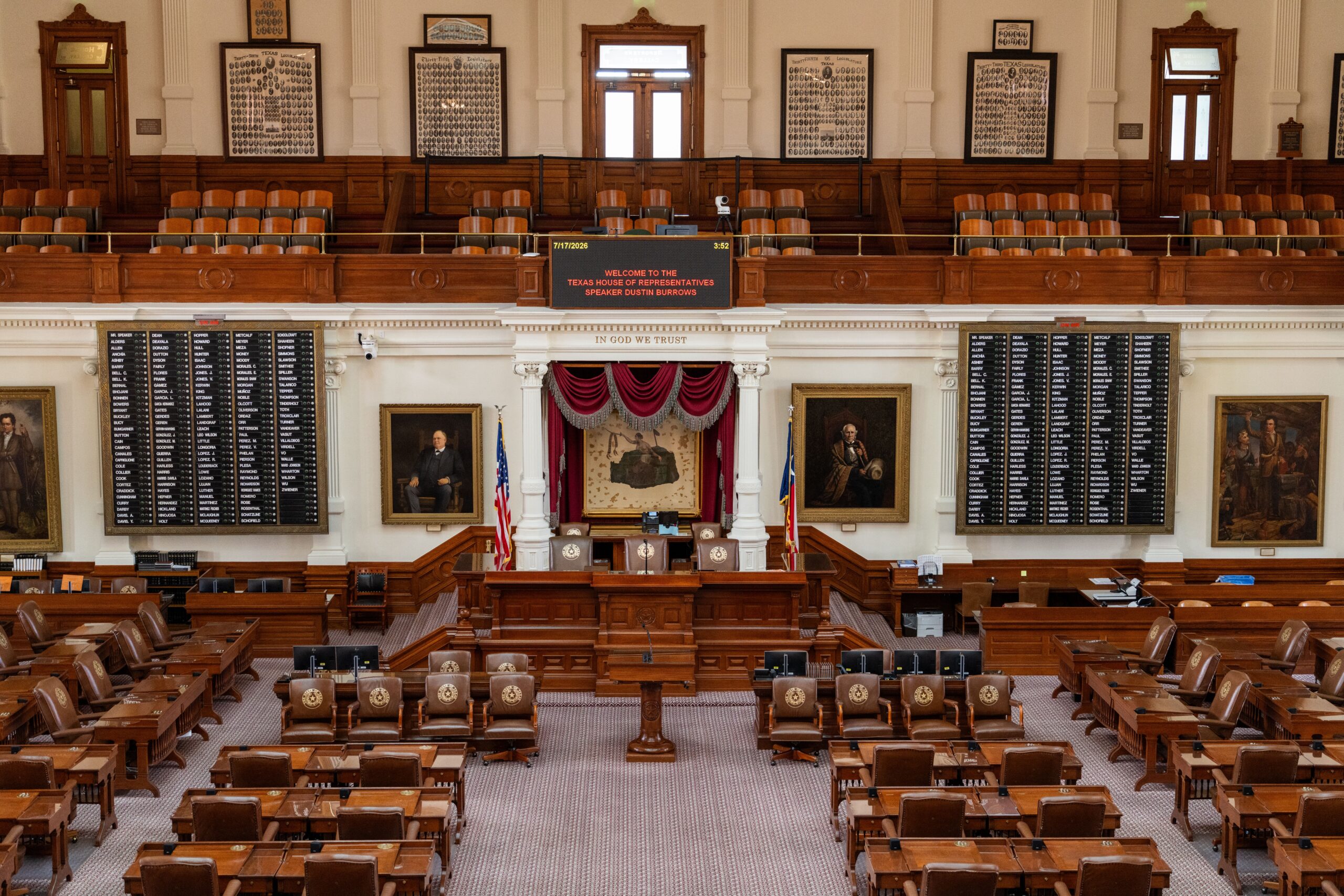
In the lead-up to the election, President Trump took several legal and rhetorical actions that raised concerns about the integrity of the voting process. The Department of Justice sent criminal target letters to approximately 20 leading Democrats, including elections lawyer Marc Elias and officials from the Democratic Senatorial Campaign Committee. These letters were part of an investigation into the Alaska Senate race, where Trump alleged that independent candidate Daniel J. Sullivan was “missing in action” and suggested the presence of a “fake” candidate on the ballot. Trump, who has openly stated he would consider a “redo” of the election if Democrat Mary Peltola wins, accused Elias of being a “bad guy” who “should go to jail.”
Former Federal Trade Commission Chair Lina Khan weighed in on related corporate matters during this period, arguing that Google’s decision to cut off search access for K-12 schools that ban its AI tools constitutes an abuse of its search monopoly. While this corporate policy development occurred alongside the election cycle, it highlights the broader scrutiny on major institutions facing political and regulatory pressure.
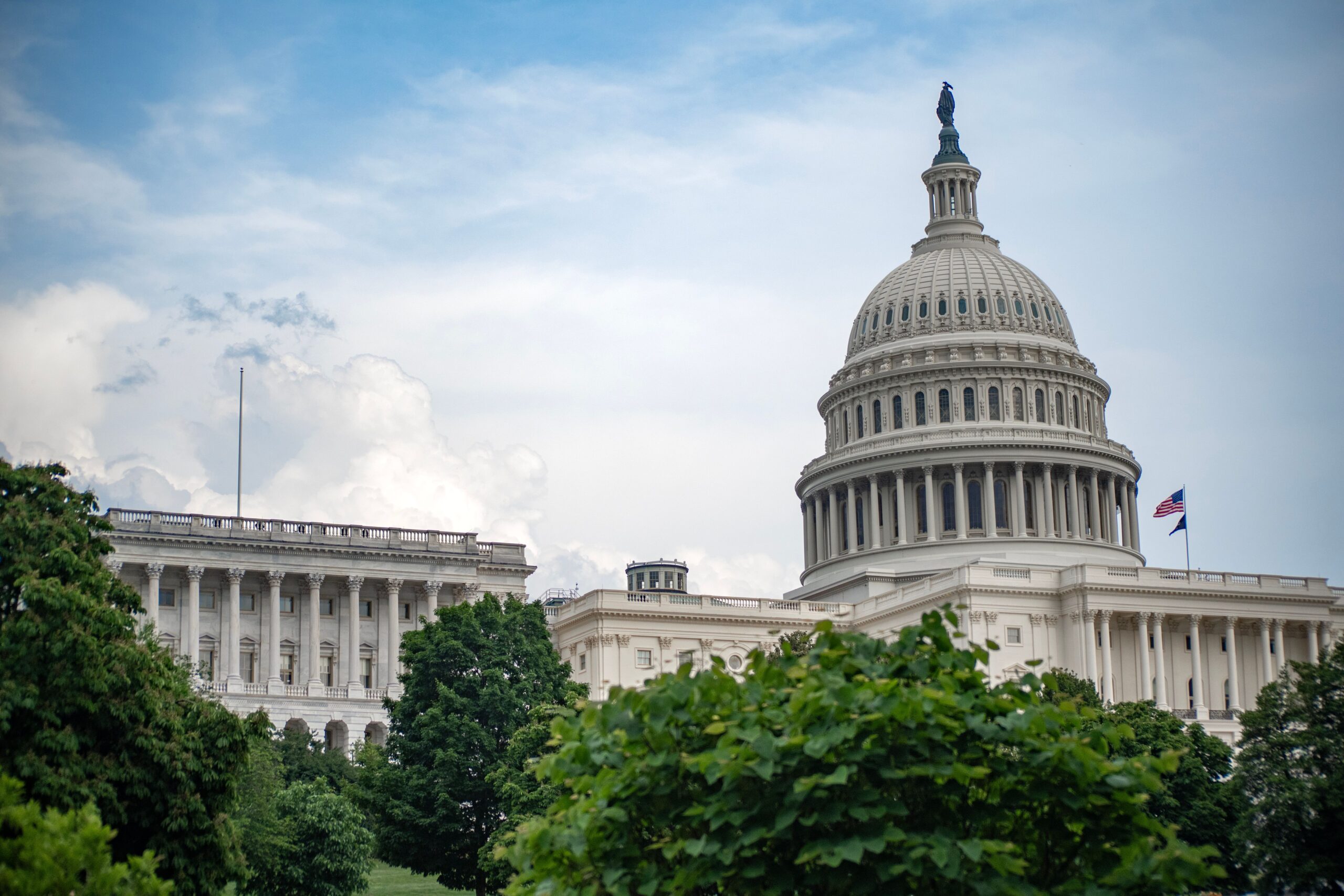
The immediate consequence of the projected Democratic takeover is a change in the legislative agenda and committee control in Congress. For Republicans, the focus shifts to internal reassessment, with some officials noting that many party members who were “good soldiers” during the previous two years may now speak out against the administration’s direction. The next step will be the formal certification of the election results and the organization of the new congressional leadership.