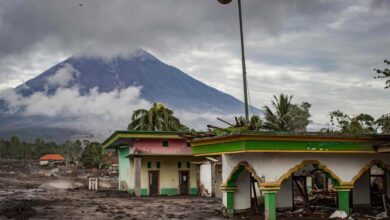
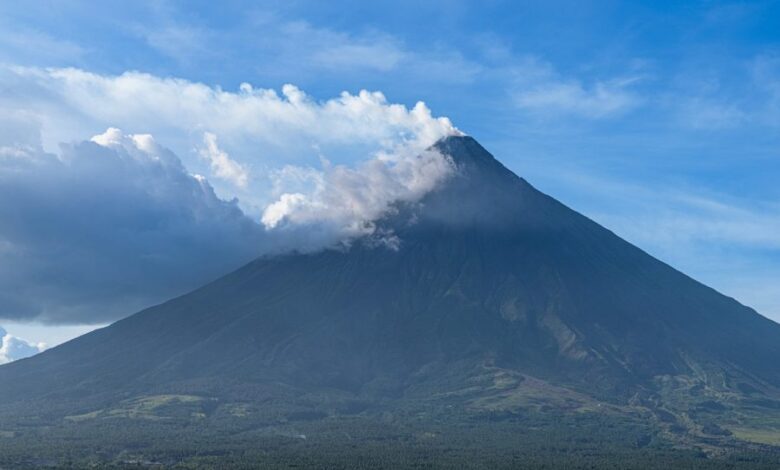
The eruption began at 11:53 a.m. local time and concluded at 11:59 a.m., lasting nearly six minutes. PHIVOLCS described the event as moderately explosive, with a grayish plume that rapidly ascended and billowed before drifting west-southwest under moderate winds. No immediate casualties or significant structural damage were reported in the towns and cities surrounding the volcano. However, ashfall was recorded in Camalig, Guinobatan, and upland areas of Legazpi City, prompting civil aviation authorities to advise pilots to avoid flying near the summit due to the hazard posed by ash to aircraft engines.
The escalation to Alert Level 3 signifies that Mayon has entered a new phase of magmatic eruption. According to the agency’s bulletin, this phase carries an increased tendency toward hazardous eruptions, specifically raising the probability of pyroclastic density currents (PDCs)—also known locally as uson—and lava flows affecting the upper to middle slopes of the volcano. PDCs are fast-moving flows of hot gas and volcanic matter that can travel rapidly down slopes, posing a severe threat to life and infrastructure. Consequently, PHIVOLCS recommended the evacuation of everyone within the Permanent Danger Zone (PDZ), a six-kilometer (3.7-mile) radius from the summit. This zone is designated due to the potential for rockfalls, lava flows, and other volcanic hazards.
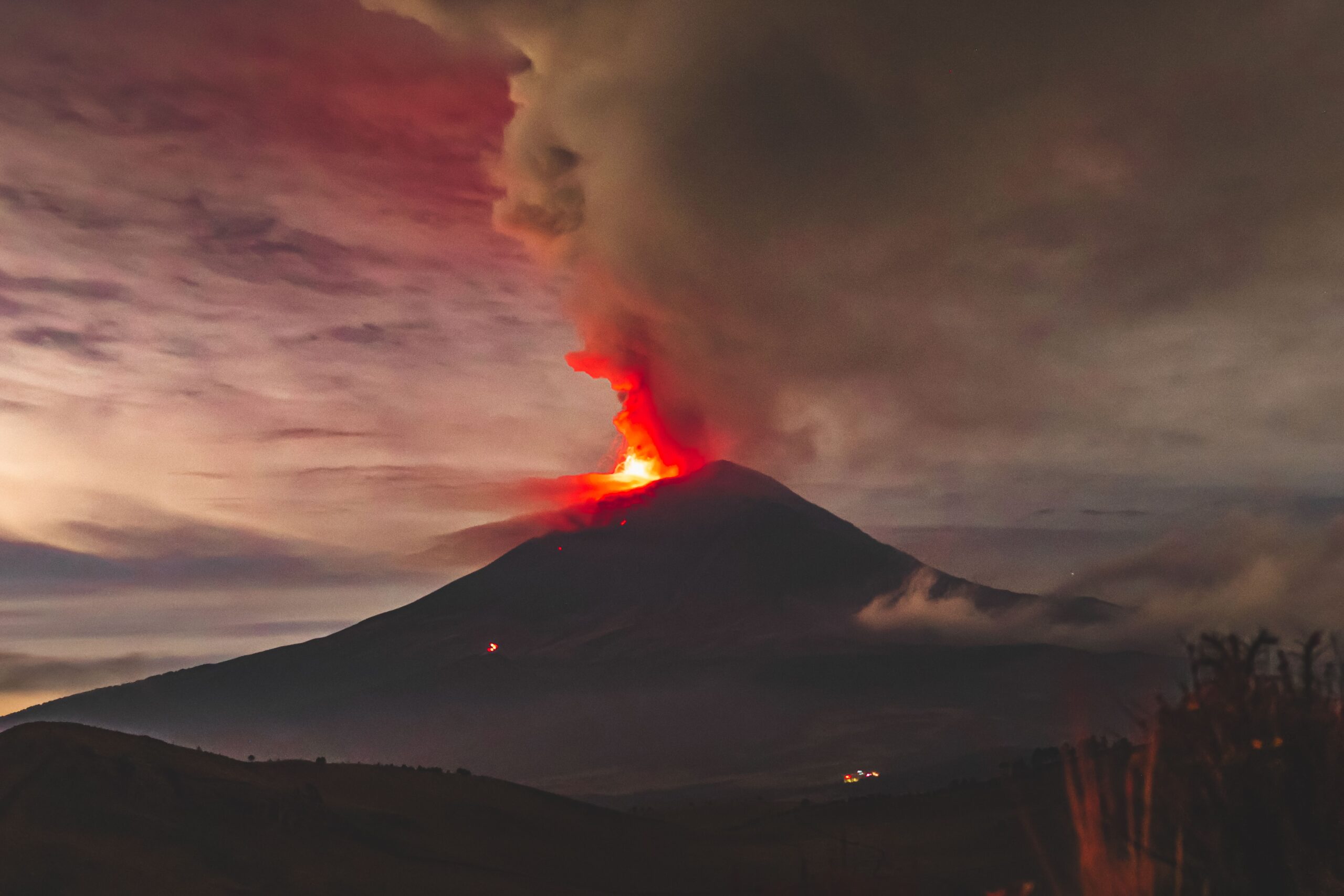
Local government units in Albay province acted swiftly on these recommendations. Governor Noel Rosal suspended classes at all educational levels and banned recreational activities, including mountain climbing, orchid picking, and vegetable harvesting, within the danger zone. The Mayon Skyline, a popular tourist destination, was temporarily closed. Bobby Cristobal, head of the Albay Public Safety and Emergency Management Office (APSEMO), estimated that approximately 1,133 families from eight municipalities and cities would require temporary shelter. This figure represents the potential number of evacuees who may need assistance, rather than the number of people already displaced.
By 2:00 p.m. on October 30, the Office of Civil Defense in the Bicol region reported that 205 families had evacuated in Camalig and another 152 in Tabaco City. The Philippine Red Cross confirmed that residents had also begun evacuating from Malilipot. Authorities emphasized the need for increased vigilance not only against PDCs but also against lahars—volcanic mudflows—and sediment-laden streamflows along channels draining the volcano’s edifice, particularly if rainfall exacerbates the loose ash deposits.
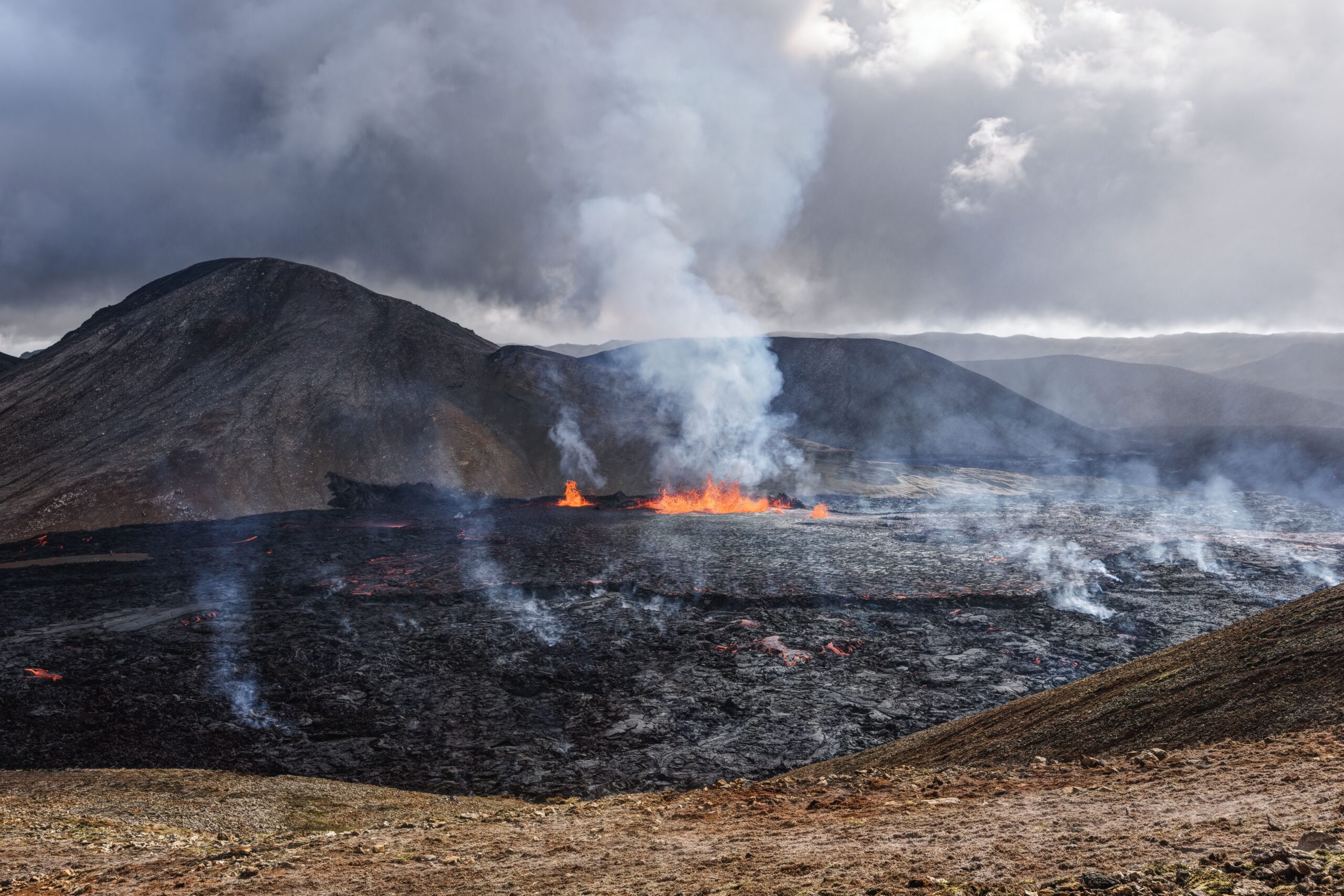
Mayon, a 2,462-meter (8,000-foot) cone located about 330 kilometers southeast of Manila, is one of the Philippines’ most active volcanoes. Its activity is a direct consequence of the country’s position on the Pacific “Ring of Fire,” a region where tectonic plate collisions drive frequent seismic and volcanic activity. The recent eruption is part of a broader pattern of elevated volcanic activity in the archipelago; Mayon is one of three Philippine volcanoes that have shown increased signs of unrest this year, although no major eruptions had occurred prior to this event.
The current escalation serves as a reminder of the volatility inherent in the region’s geology. In June 2023, more than 12,000 people living on Mayon’s lower slopes were moved to evacuation centers to protect them from ash and toxic gases. While the October 30 eruption was moderate in scale compared to historical catastrophes, such as the 1991 eruption of Mount Pinatubo—which killed more than 800 people and produced an ash cloud that traveled thousands of kilometers—the shift to Alert Level 3 indicates a persistent threat that requires sustained monitoring. PHIVOLCS maintains close observation of the volcano and has stated that any new developments will be communicated to stakeholders immediately.