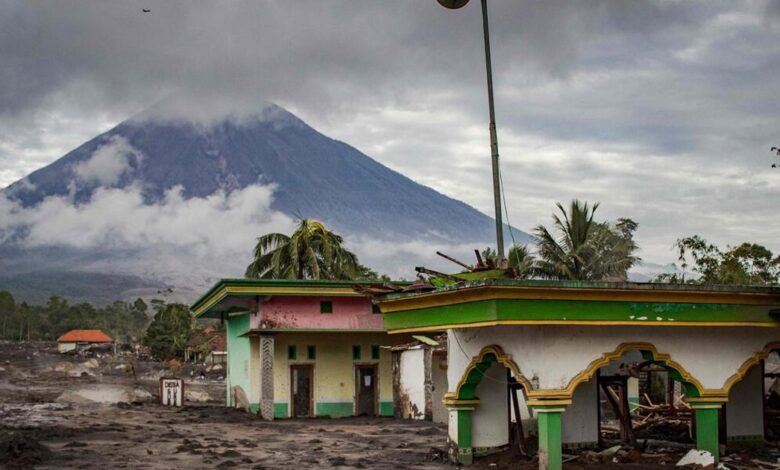
The force of the mudflow destroyed a 150-meter section of embankment and a bridge. Floodwaters also inundated approximately 30 hectares of rice fields and temporarily isolated more than 300 families residing in two villages. The event adds to a pattern of instability, as the volcano has been active recently, with previous eruptions recorded on November 19 and December 5.
Isnugroho, head of operations at the Lumajang Disaster Mitigation Agency (BPBD), stated that the agency plans to recommend extending the state of emergency in the regency for an additional week. The Lumajang administration had previously declared a state of emergency from November 1 to November 7 to accelerate disaster mitigation efforts following a series of regional disasters. “Given the situation, we will advise the regent to extend the state of emergency for another seven days,” Isnugroho said, noting that significant work remains, including redirecting the river flow back to its proper course and constructing emergency bridges.
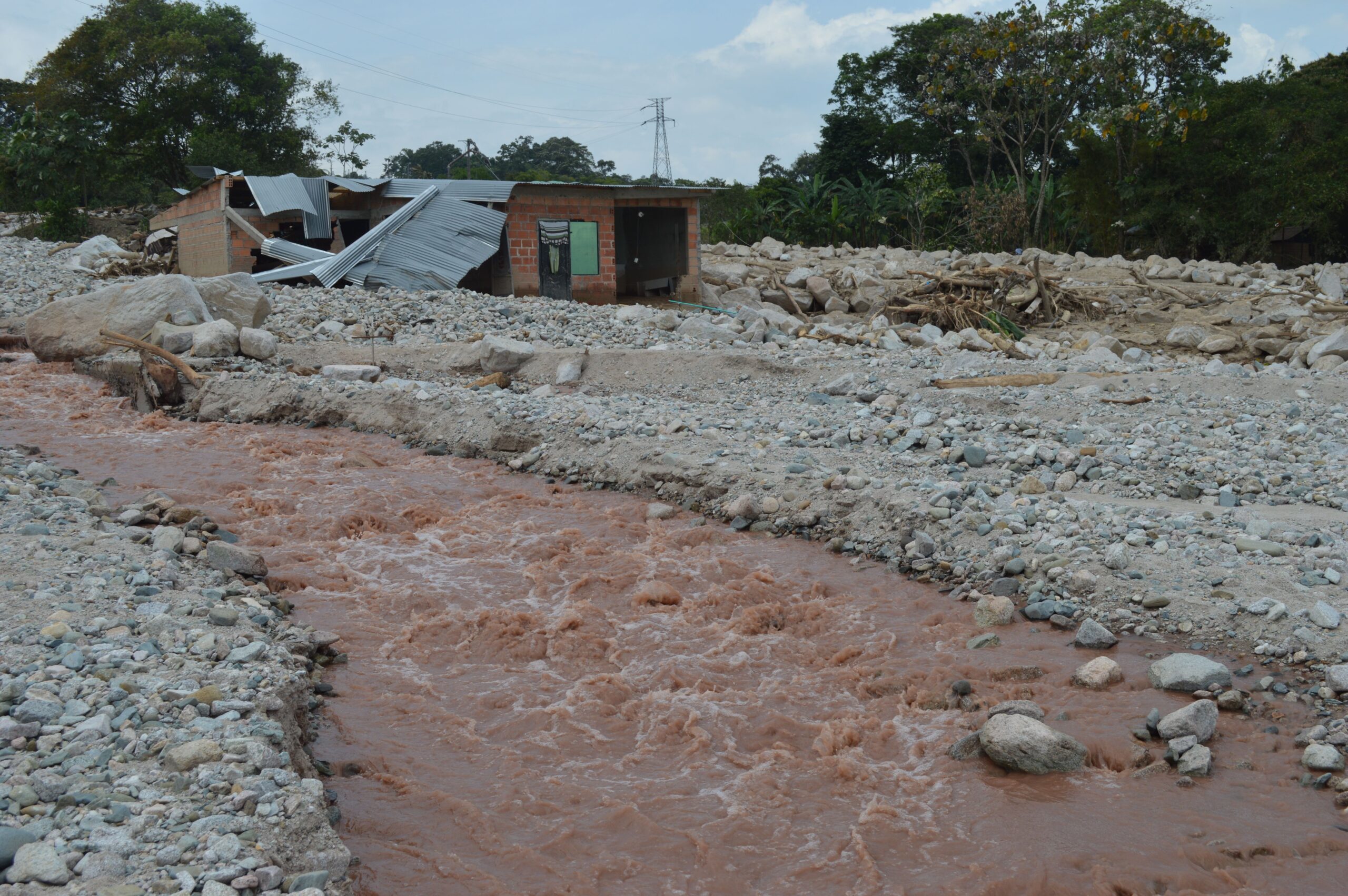
Lumajang has experienced at least four distinct hydrometeorological disasters since the start of the month, including flooding, landslides, and falling trees, affecting at least eight subdistricts. The Meteorology, Climatology and Geophysics Agency (BMKG) has warned of more extreme weather in the province in the coming days, suggesting that the risk of further geological and meteorological incidents remains elevated.
Authorities are currently focused on immediate rescue operations for the missing individuals and the stabilization of the damaged infrastructure. The extension of the state of emergency, if approved, would allow for continued mobilization of resources to address the ongoing displacement of residents and the repair of critical transport links severed by the lahar.