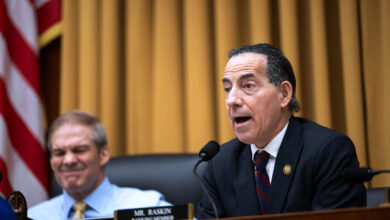
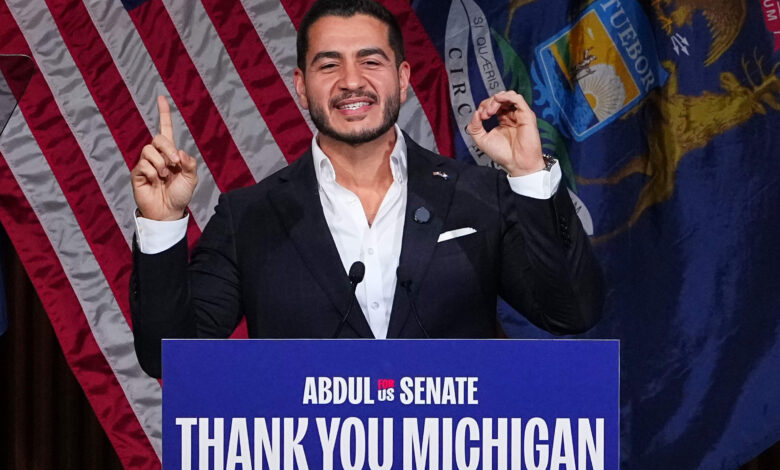
The central development of the midterm elections was not merely a change in party control, but a shattering of historical barriers regarding religious and ethnic representation in the upper chamber. El-Sayed’s victory was part of a broader wave of historic firsts, including the election of Chris Pappas of New Hampshire as the first openly gay male senator and Peggy Flanagan of Minnesota as the first Native American woman senator. These results signal a shift in the demographic composition of the Senate, reflecting a electorate willing to elect candidates who have previously been excluded from high office due to their faith, sexuality, or heritage.
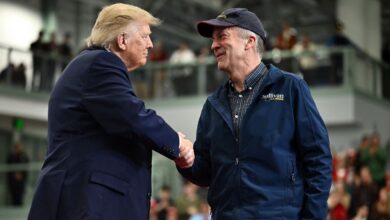
El-Sayed’s path to victory was obstructed by a coordinated offensive from the highest levels of the opposing administration. President Donald Trump labeled the candidate a “jihadist,” while Vice President J.D. Vance described him as a representative of “terrible evil” and a “psychopath.” Vance also alleged that El-Sayed trafficked in “anti-white racial hatred.” El-Sayed’s Republican opponent, Mike Rogers, smeared him as an “extremist.” A consistent feature of these attacks was the intentional mispronunciation of El-Sayed’s name, a tactic intended to other the candidate based on his heritage. El-Sayed, the son of Egyptian immigrants, responded to these characterizations with a strategy of restraint and wit, adhering to the principle of maintaining dignity in the face of hostility.

In his victory speech, El-Sayed directly addressed the linguistic and personal attacks. He told President Trump, “Donald, I know you struggle with my name, so after JD swears me in in January, you can go on and call me Senator.” This statement clarified the constitutional process: while the President does not swear in senators, the Vice President, who serves as President of the Senate, performs that duty. By directing his remarks to Vance, El-Sayed highlighted the irony of his opponent’s role in his inauguration. He addressed Vance with the Arabic word “habibi”—a term of endearment that, when used sarcastically by a victor, functions as a dismissive “sweetheart”—noting that the Vice President is constitutionally obligated to swear him in. El-Sayed also invoked a collegiate rivalry, stating, “Wolverines 1, Buckeyes 0,” referencing the sports teams of Michigan and Ohio, Vance’s home state.
The political significance of El-Sayed’s win extends beyond individual representation; it challenges the narrative of exclusion that had characterized much of the recent political discourse. For years, Muslim and Arab Americans have faced targeted scrutiny, deportation threats, and public vilification. El-Sayed’s ability to convert “inshallah” (God willing) into “alhamdulillah” (praise be to God) upon his victory was presented as a testament to the persistence of American ideals amidst polarization. His campaign demonstrated that a candidate could openly embrace their faith—using terms like “inshallah” on the campaign trail—without suffering a fatal electoral penalty, thereby normalizing Muslim political participation at the federal level.
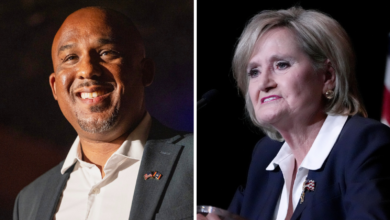
El-Sayed’s victory is one of several indicators of a significant shift in the political landscape. In Kansas, voters elected Adam Hamilton as a Democrat to the U.S. Senate for the first time since 1932, defeating Republican incumbent Roger Marshall in a historic upset. This result, alongside the partisan flips in the House and Senate, suggests a broader electorate realignment. The election of diverse candidates, including the first female Native American governor and Texas’ first Latina governor in other races, points to a electorate that is increasingly receptive to candidates who reflect the nation’s demographic diversity.
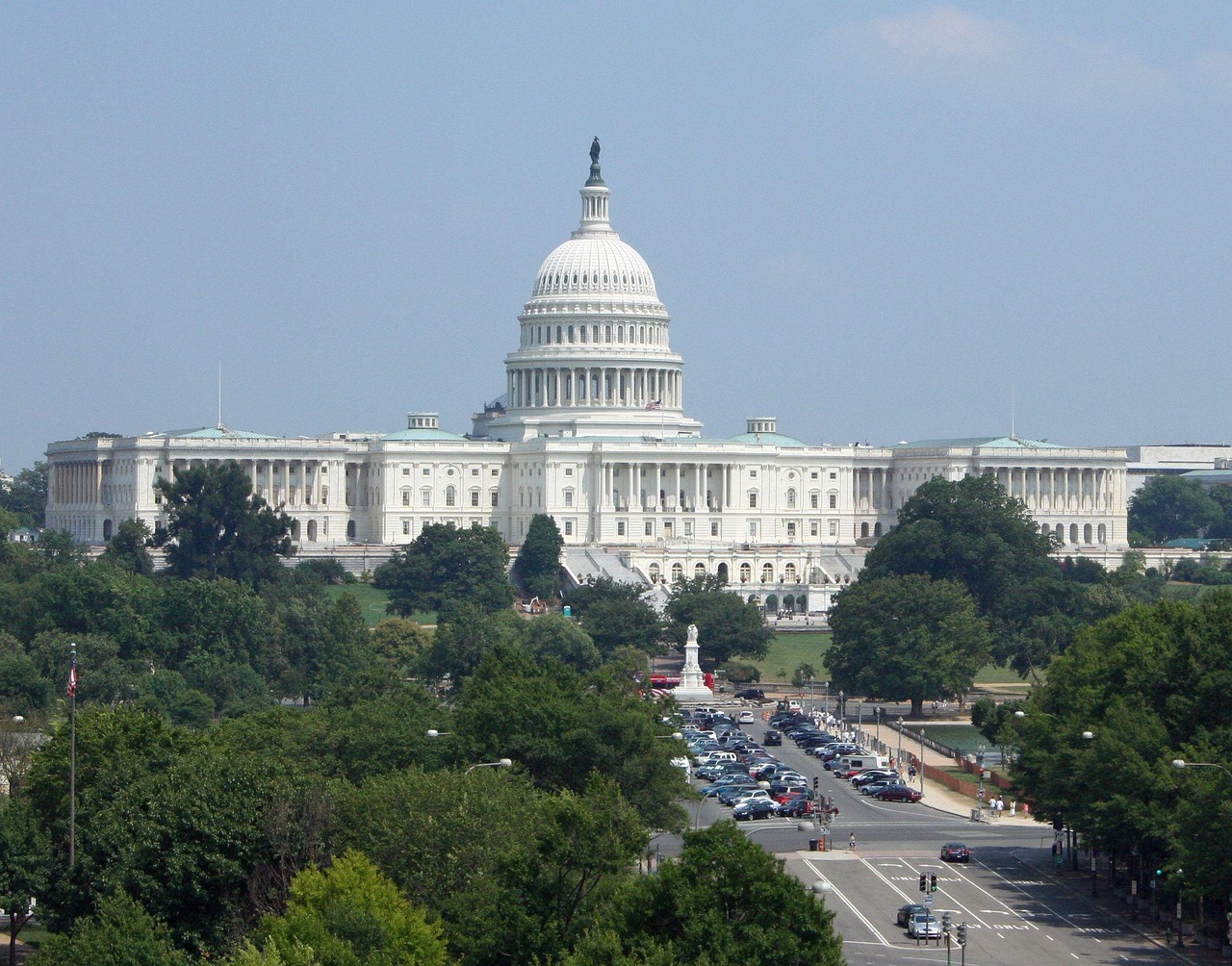
However, the path to these victories was fraught with institutional and rhetorical challenges. The intensity of the attacks against El-Sayed raises questions about the sustainability of such political environments. While the immediate election results favor the Democratic Party and its diverse nominees, the normalization of extreme rhetoric remains a point of contention. Opponents of El-Sayed argued that his political positions were extremist, claims that El-Sayed refuted by pointing to his record and his opponents’ own constitutional obligations. The uncertainty lies in how the new Senate composition will function, particularly as members who broke historic barriers navigate an institution still grappling with deep partisan divides.
The next political development will be the formal swearing-in of the new senators in January. For El-Sayed, this moment will see J.D. Vance, the very figure who attacked him, perform the constitutional duty of administering the oath. This procedural intersection underscores the complex reality of American governance, where political adversaries must share institutional space. El-Sayed’s election stands as a verified fact of the midterm results, a testament to a specific electorate’s decision to prioritize his candidacy over the attacks leveled against him, and a marker of a changing era in U.S. political history.