
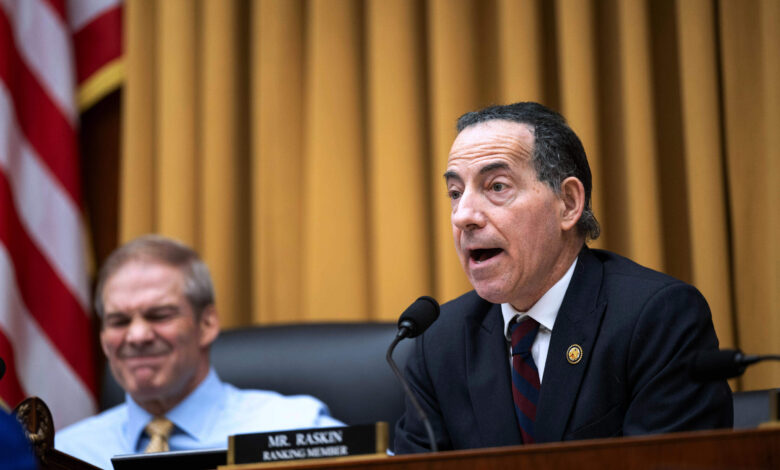
The acquisition of a majority in both the House and the Senate represents a fundamental change in the operational dynamics of American governance. For the previous two years, the legislative branch had been divided, a configuration that often resulted in gridlock or limited legislative output. By securing a unified front, Democrats have removed the structural barrier of a divided Congress, thereby enabling them to pursue a coherent legislative strategy against the policies of President Trump. Raskin, speaking as the senior Democrat on the Judiciary Committee, framed this victory not merely as a partisan gain but as a necessary recalibration of power to check the executive’s agenda.
The political implications of this shift are immediate. With Democrats taking control of the legislative branch in January, the party gains the procedural authority to advance legislation, confirm or block nominations, and conduct oversight investigations without the constraint of a Republican majority in either chamber. This institutional control allows for a more direct confrontation with the President’s policy objectives. Raskin’s comments during the interview indicated that the party’s primary objective is to challenge President Trump’s agenda, suggesting a legislative posture focused on opposition and policy reversal rather than collaboration.
The mechanics of this new dominance are rooted in the specific roles held by the party’s leadership. As the ranking member of the House Judiciary Committee, Raskin occupies a pivotal position in the legislative process. This committee is responsible for drafting legislation related to the federal judiciary, civil rights, and constitutional matters. In a unified Democratic Congress, the ranking members of such key committees transition into a position of greater influence, often setting the agenda for the incoming majority. The ability to shape the judicial and legal framework of the administration becomes a central tool for the new majority, allowing them to target specific aspects of the Trump administration’s executive actions and policy implementations.
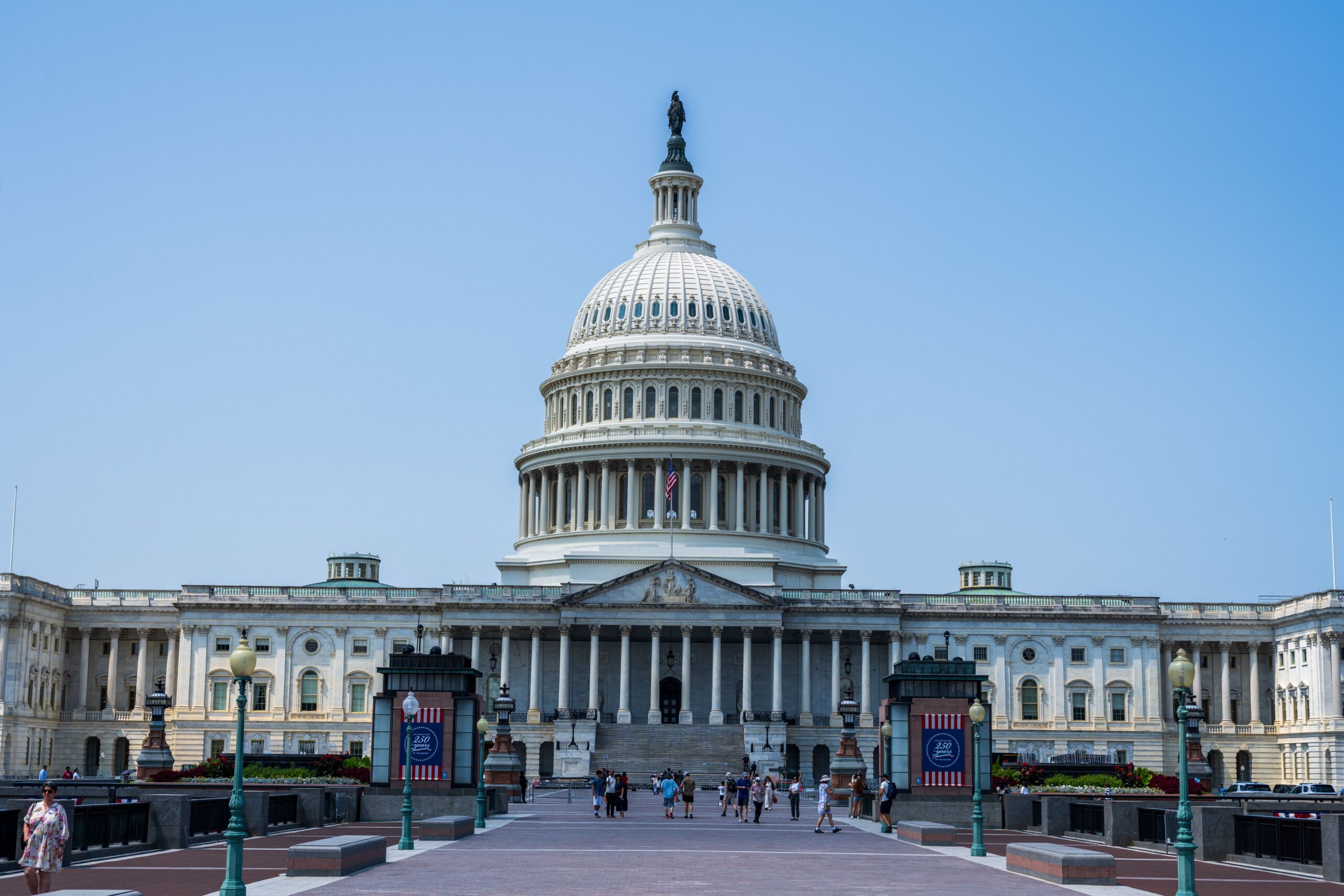
The decision to prioritize the challenge to the President’s agenda reflects the broader strategic calculations of the Democratic leadership. In the context of the 2026 election cycle, the party’s platform likely emphasized the need for a robust opposition to the current administration’s policies. By winning both chambers, Democrats have fulfilled the electoral mandate to act as a counterbalance to the executive. This aligns with the traditional checks and balances embedded in the U.S. Constitution, where the legislative branch is designed to scrutinize and limit executive power. The new majority’s focus on challenging the agenda suggests an intent to use legislative leverage to roll back or modify policies enacted or proposed by the Trump administration.
However, the path ahead is not without complexities. While control of Congress provides significant power, it does not guarantee the automatic successful implementation of all legislative goals. The President retains veto power, and the executive branch can still pursue regulatory actions that do not require congressional approval. Furthermore, the internal dynamics of the Democratic caucus will play a crucial role in determining the speed and scope of legislative action. The party must now translate its electoral victory into concrete policy outcomes, navigating the complexities of legislative procedure and the political realities of the executive branch.
Rep. Raskin’s role in this new landscape is particularly noteworthy. As a prominent voice within the party and a key figure on the Judiciary Committee, his actions will be closely watched as a barometer for the party’s approach to the Trump administration. His emphasis on challenging the President’s agenda signals a firm stance, suggesting that the new majority intends to be an active and assertive force in the political arena. This approach may involve aggressive oversight of executive agencies, efforts to reshape the federal judiciary, and the introduction of legislation that directly contradicts the President’s priorities.
The transition to a Democratic-controlled Congress in January marks a significant turning point in the political cycle. It underscores the vitality of the two-party system and the importance of mid-term elections in shaping the direction of national policy. For voters, this development means that the legislative branch will be aligned with the Democratic platform, potentially leading to a different trajectory for issues such as healthcare, climate policy, and civil rights. The ability of the new majority to effectively challenge the Trump agenda will depend on its capacity to maintain unity, navigate legislative hurdles, and engage with the public to sustain support for its initiatives.
As the new Congress prepares to convene, the focus will be on how Democrats utilize their institutional strength to implement their political vision. The challenges ahead are substantial, requiring careful strategy and coordination among the various committees and leadership structures. The outcome of this period of legislative control will have lasting implications for the American political system and the balance of power between the branches of government. The next few months will reveal whether the Democratic majority can translate its electoral victory into tangible policy changes that reflect the will of the electorate and effectively counter the executive branch’s agenda.
In conclusion, the 2026 election results have established a new political equilibrium in Washington. With Democrats in control of both the House and the Senate, the stage is set for a more confrontational relationship between the legislative and executive branches. The actions of leaders like Rep. Jamie Raskin will be central to shaping this dynamic, as the party seeks to leverage its majority to challenge President Trump’s policies. The coming year will test the effectiveness of this new legislative majority and its ability to deliver on the promises made to voters during the campaign.





2 Comments