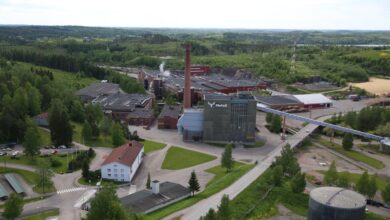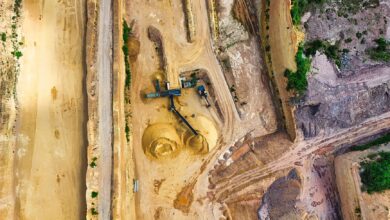
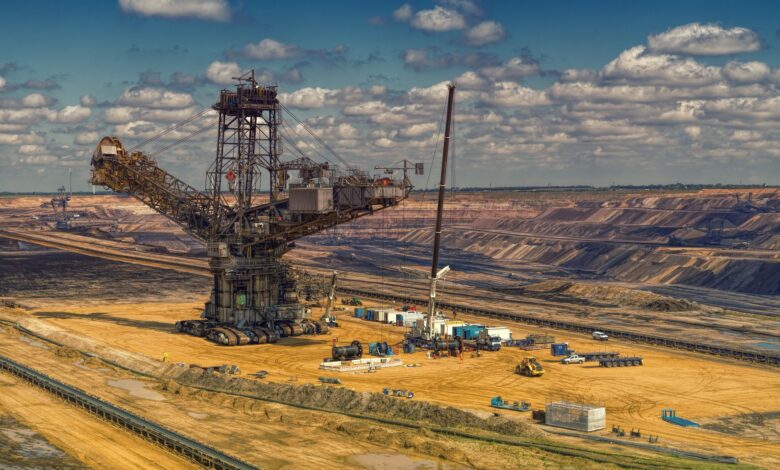
This divergence highlights the structural vulnerabilities in the copper supply chain. As the commodity price climbs, the revenue per tonne for miners increases directly, provided their extraction costs remain relatively stable. This dynamic allows mining companies to see their gross margins expand rapidly, reflecting the direct correlation between spot prices and raw material value. In contrast, smelters operate on a different economic model, typically earning a treatment charge (TC) and refining charge (RC) rather than capturing the full commodity price. Their profitability is often inversely related to the volatility and absolute level of feed material costs and processing inefficiencies, meaning that extreme price spikes do not translate to proportional profit growth and can, in some contexts, exacerbate operational pressures if hedging strategies are not perfectly aligned with market movements.
The current “frenzy” favors those who own the ground and the ore. For miners, the surge in selling prices represents a direct injection of capital, potentially funding expansion projects, sustaining dividends, or strengthening balance sheets. This is a classic example of how commodity super-cycles distribute wealth unevenly across vertical integration levels. The miners are effectively acting as the primary arbitrageurs of the price rise, converting the market’s bullish sentiment into tangible cash flow.
Smelters, however, find themselves in a more precarious position. While they are essential to the physical supply of refined copper, their role is often viewed by the market as a service provider with limited pricing power over the final product, which is dictated by the global exchange price. If the cost of processing or the quality of feedstock does not improve in tandem with the rising output price, their net margins can stagnate or shrink. This creates a competitive disadvantage for smelters relative to their mining counterparts, potentially leading to a consolidation of industry power toward the resource-owning end of the spectrum.
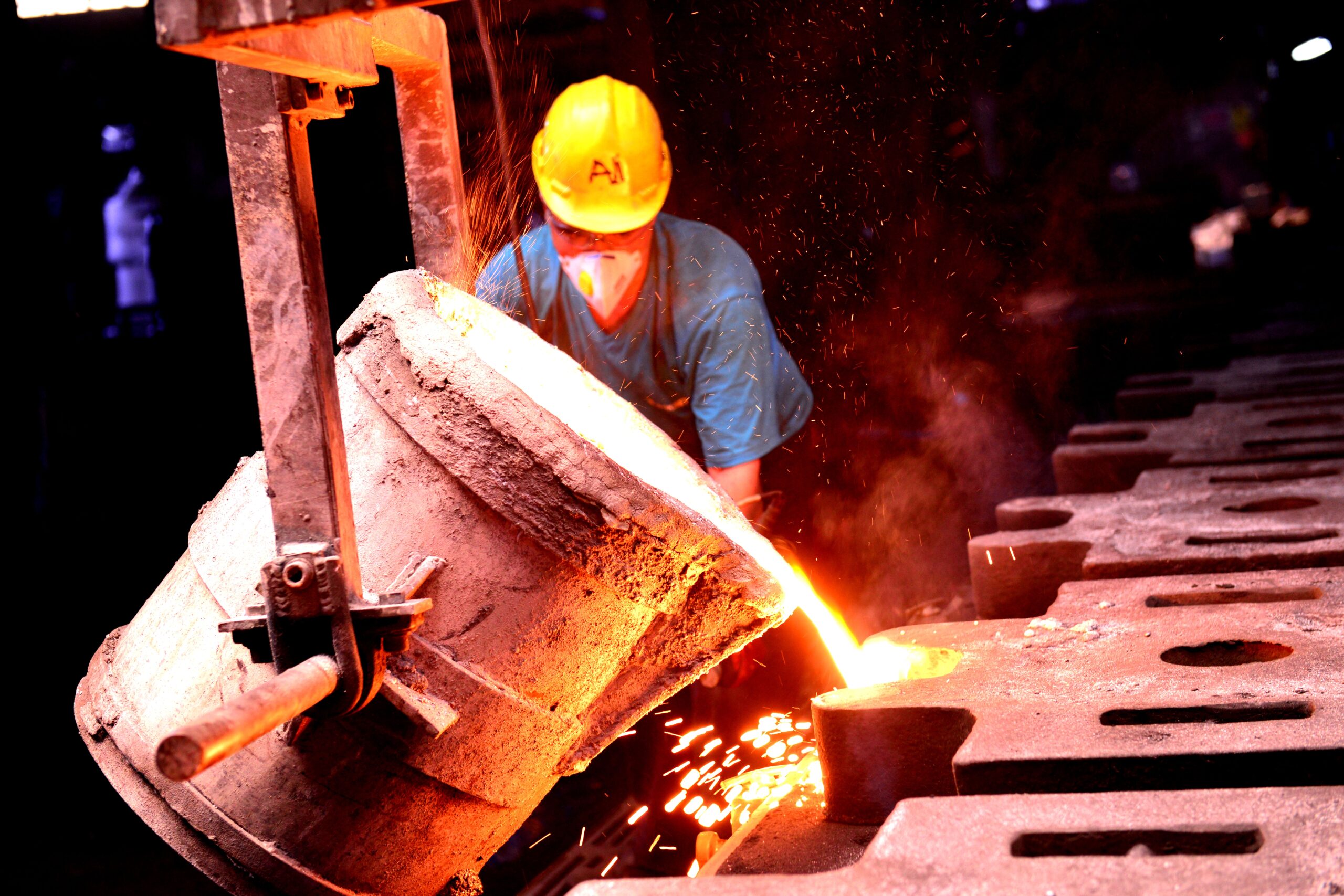
Analysts note that this imbalance is a critical risk factor for the long-term health of the supply chain. If smelters are consistently under-earning while miners reap windfall profits, it may discourage investment in refining capacity. This could lead to a bottleneck in the production of refined cathodes, which are the primary form in which copper is traded and used by manufacturers. Such a bottleneck could, in theory, force prices higher still, creating a feedback loop that further distorts the economic incentives for mid-stream operations.
The situation also raises questions about vertical integration. Historically, large mining houses have moved to integrate backward into smelting to capture more value from the chain, or conversely, smelters have sought to secure long-term offtake agreements with mines to stabilize their feed costs. The current environment, where the price gap between raw ore value and refined product value is widening, may accelerate these strategic shifts. Companies that are vertically integrated may find themselves better insulated from this specific type of margin divergence, as the loss in one segment can be offset by the gain in another.
It is important to distinguish between the immediate market reaction and the underlying structural trends. The current price boom is driven by a combination of supply constraints and strong demand, particularly from the energy transition sector. However, the distribution of profits is a separate issue that depends on contract structures, operational efficiency, and risk management. Not all miners are equally positioned to benefit; those with high-cost or dilute ore bodies may still struggle to achieve the margins seen by leading producers with low-cost, high-grade assets. Similarly, not all smelters are equally affected; those with proprietary technology or exclusive access to high-quality feedstock may mitigate the impact of the price surge on their margins.
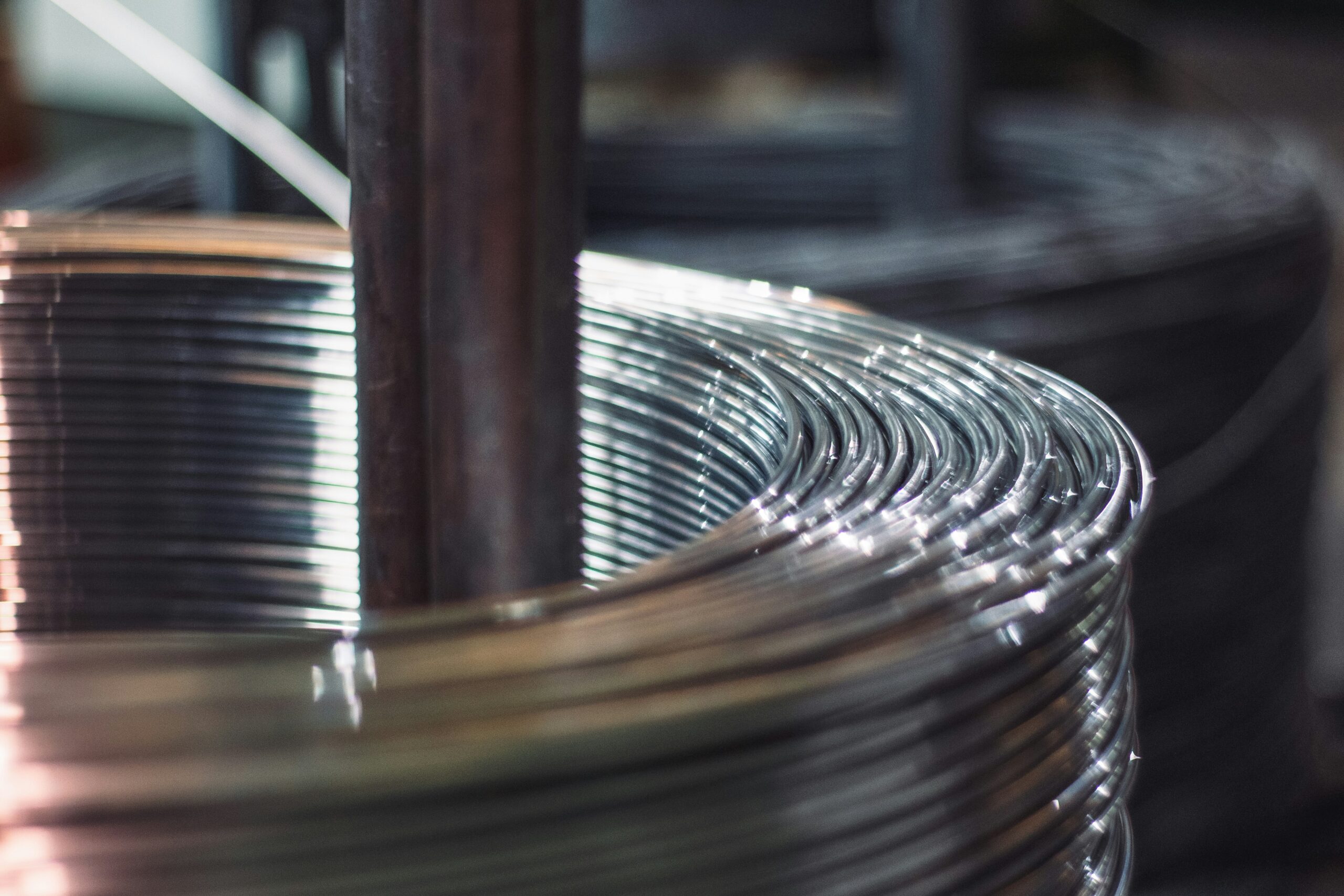
For investors and industry observers, the key takeaway is that the copper bull market is not a single story but a complex interplay of different economic forces. The “gold” being struck is primarily for the miners, while the smelters are navigating a more challenging landscape. This divergence will likely influence future M&A activity, capital allocation decisions, and strategic partnerships within the sector. As the market continues to evolve, the ability of smelters to adapt their cost structures and secure favorable feed terms will be the determining factor in whether they can share in the prosperity of the current cycle or remain on the losing end of the margin equation.
The next phase of this trend will depend on how quickly smelters can adjust their operational models and whether regulatory or environmental policies will impose new costs that further widen the gap. Until then, the red metal’s price strength will continue to serve as a tailwind for mining equities while presenting headwinds for refining operations, a dynamic that underscores the importance of understanding the full value chain in commodity investing.