
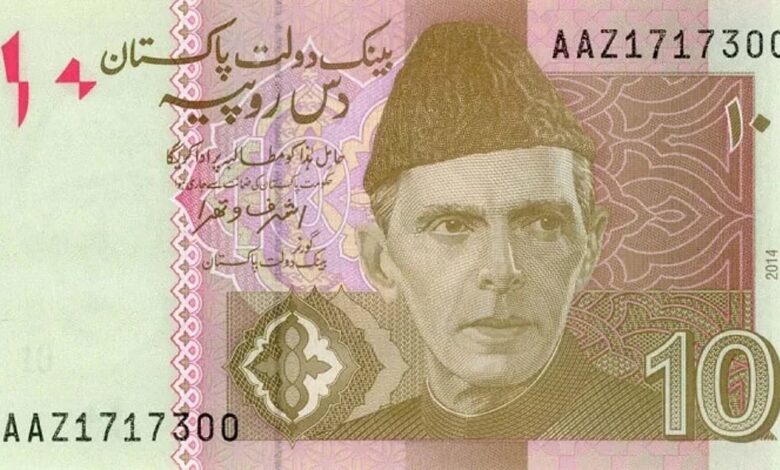
The primary driver behind the replacement of the Rs10 note is economic efficiency. The State Bank of Pakistan (SBP), the country’s central bank, had previously proposed discontinuing the low-denomination paper note due to increasing printing costs. Replacing it with a coin is expected to reduce the long-term expenses associated with currency issuance, as coins generally have a longer lifespan than paper notes. This decision follows a proposal from the Ministry of Finance, which recommended the change after extensive consultations. A special committee established by the Prime Minister’s Office reviewed proposals from artists and designers across the country to finalize the designs for the new currency.
Alongside the denomination change, the cabinet approved designs for a new series of banknotes featuring advanced security measures. These modern safeguards are intended to prevent counterfeiting, a persistent challenge for the Pakistani economy. The new notes will also be produced using improved materials to increase their durability. The redesign process has been underway since January 2024, with a concurrent Rs3.4 billion upgrade to the paper machines at Security Papers Limited expected to take 18 months from March 2025. Officials indicated that the introduction of the new notes into circulation could take approximately one year from the time of approval, although a precise launch date remains undetermined.
The counterfeiting threat is particularly acute for the highest denomination, the Rs5,000 note. Dr. Inayat Hussain, Deputy Governor of the SBP, briefed the Senate Standing Committee on Finance and Revenue regarding efforts to curb the circulation of fake currency. He noted that the current Rs5,000 note, introduced in 2005, is increasingly vulnerable to modern counterfeiting techniques. To address this, the SBP floated a tender for a new design, which was awarded to a consultant firm. The redesigned Rs5,000 note will undergo federal government approval before release. During the same briefing, Dr. Hussain highlighted that the cost of printing a single Rs5,000 note is approximately Rs14, a figure that underscores the economic rationale for enhancing security features to reduce the replacement costs associated with counterfeit withdrawals.
The cabinet meeting also addressed broader economic and diplomatic contexts. Prime Minister Sharif expressed concern over the impact of regional tensions in the Middle East on global oil prices and energy supplies, which pose challenges to Pakistan’s economy. He highlighted Pakistan’s diplomatic engagements with Iran, Saudi Arabia, and Turkiye under the Makkah Joint Defence Agreement to facilitate dialogue and restore peace. Additionally, the cabinet ratified a defence cooperation agreement with Kuwait, originally signed in June 2023, further strengthening bilateral military ties.
The currency reform also intersects with Pakistan’s remittance policies. The SBP briefed the Senate on the Pakistan Remittance Initiative (PRI), which aims to facilitate remittances from overseas Pakistanis. The government had initially provided Rs120 billion in subsidies to banks for this purpose. However, due to fiscal constraints in the current budget, the state could not continue these subsidies. Consequently, banks have decided to absorb the associated costs from their own resources to ensure the continued facilitation of remittances, a vital source of foreign exchange for the country. Senator Anusha Rahman emphasized the need to streamline the approval process for currency designs to avoid delays caused by repeated referrals for minor amendments, a concern that has historically slowed similar monetary reforms.
For now, the existing currency remains in legal circulation. The absence of a withdrawal schedule for the Rs10 note means that both the paper note and the forthcoming coin will likely coexist in the early stages of the transition. The success of this reform will depend on the timely execution of the printing infrastructure upgrades and the effectiveness of the new security features in reducing counterfeiting. The next critical step will be the formal announcement of the launch date for the new notes and the Rs10 coin, which is expected to follow the completion of the design finalization and production preparations.