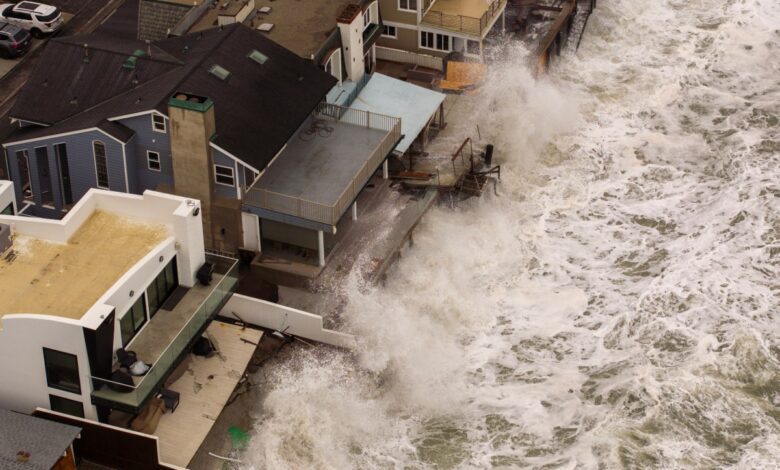
The ARkStorm, short for Atmospheric River 1,000, is a scientifically plausible hypothetical scenario developed to gauge the potential scale of a severe, recurring storm system. According to AccuWeather meteorologist Peyton Simmers, the term refers to a storm with a 0.1 percent probability of occurring in any given year. Simmers noted that while California is expected to experience several atmospheric rivers this winter, leading to risks of heavy rain, coastal erosion, landslides, and heavy mountain snow, it is “very unlikely” that any of these systems will reach ARkStorm intensity.
The scenario was constructed by experts from federal and state agencies, including the National Oceanic and Atmospheric Administration (NOAA), the U.S. Geological Survey (USGS), the Scripps Institution of Oceanography, and the Federal Emergency Management Agency (FEMA). The objective was to help emergency services and resource managers understand the potential consequences of a disaster comparable to the Great Flood of 1861-62. During that historical event, California endured approximately 45 days of repeated storms, which left large portions of the Central Valley submerged.
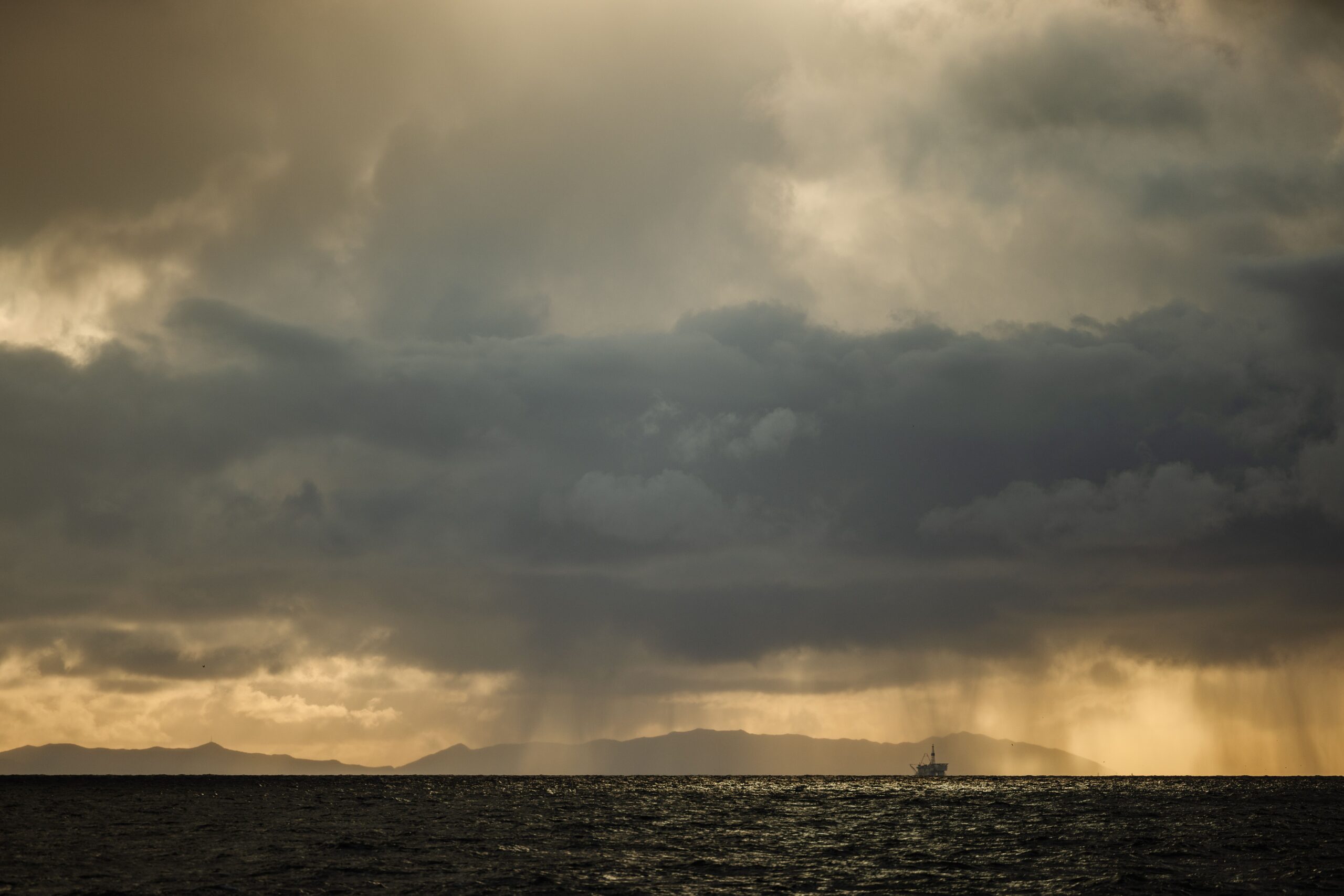
The USGS estimates that an event of this magnitude would result in approximately $725 billion in combined property damage and business-interruption losses. Additionally, the agency projects that around 1.5 million people could require evacuation. These figures serve as a benchmark for assessing vulnerability, though they represent a worst-case hypothetical rather than a forecast for the current season.
The increased risk of atmospheric rivers during El Niño winters is attributed to atmospheric circulation changes. Simmers explained that the southern branch of the jet stream becomes more active during these periods, allowing storms to more easily tap into tropical moisture. El Niño itself is defined by unusually warm sea surface temperatures in the central and eastern tropical Pacific Ocean, which shifts storm tracks and intensifies precipitation events in certain regions.
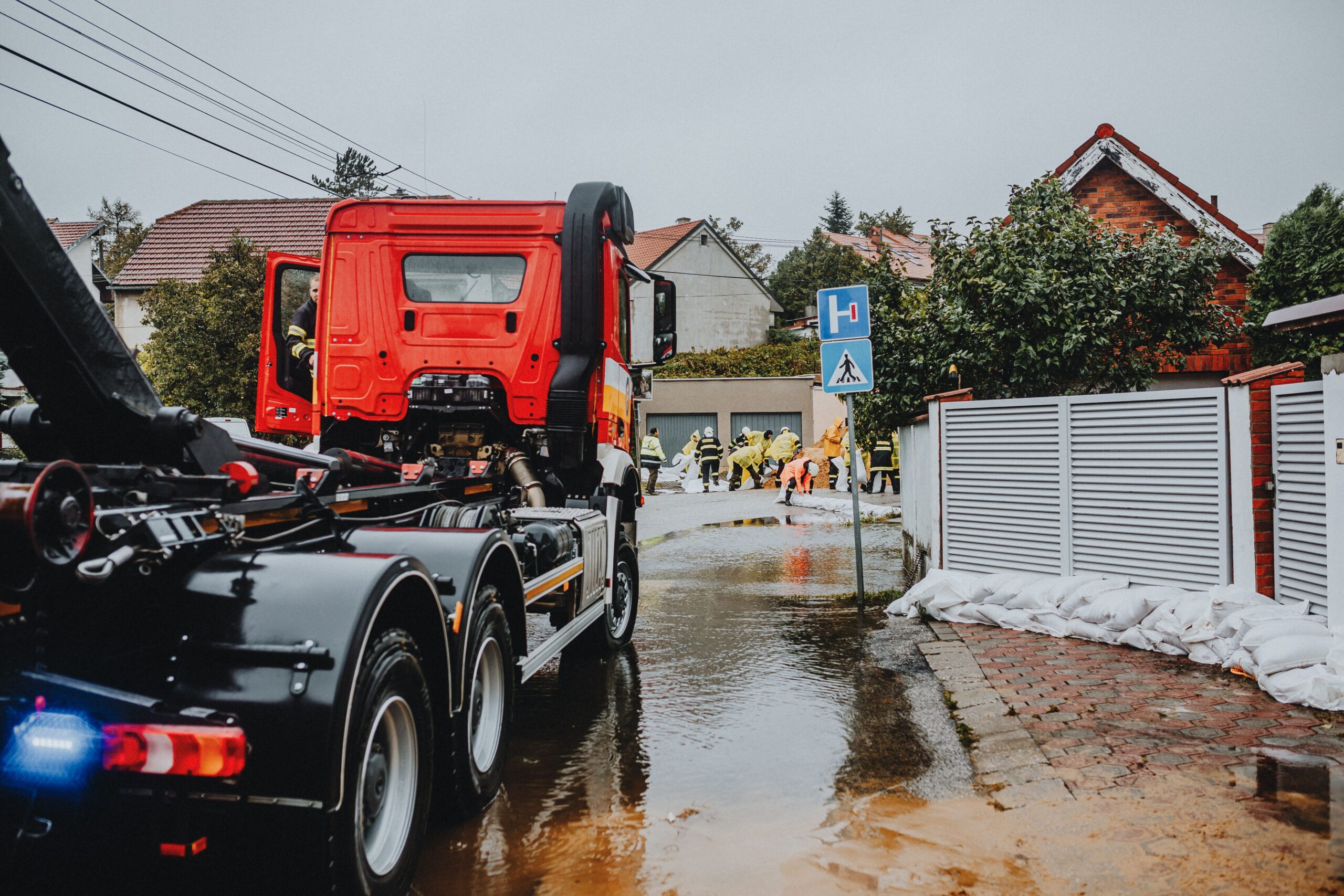
NOAA’s winter outlook for 2026-2027 indicates an increased likelihood of wetter-than-average conditions across parts of the southern United States, including California. Daniel Swain, a climate scientist with the University of California Agriculture and Natural Resources, expressed concern regarding the upcoming months, citing the strength of the El Niño. However, current forecasts focus on above-average precipitation rather than the extreme, multi-day catastrophe modeled in the ARkStorm scenario. Monitoring of the jet stream and Pacific temperatures will continue to refine risk assessments for the remainder of the winter.