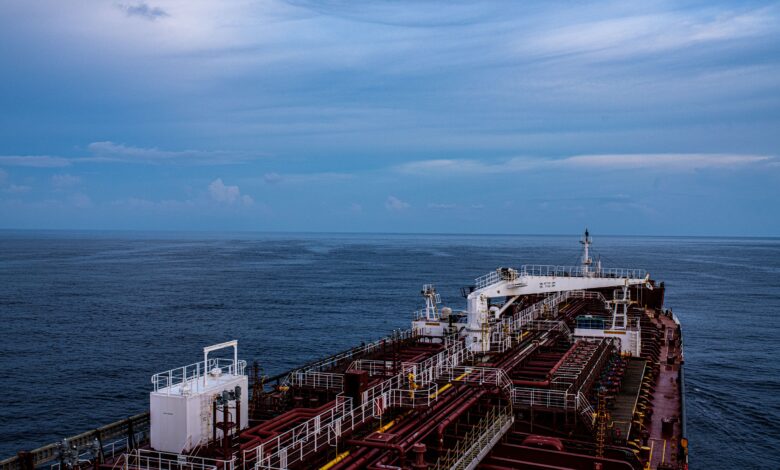
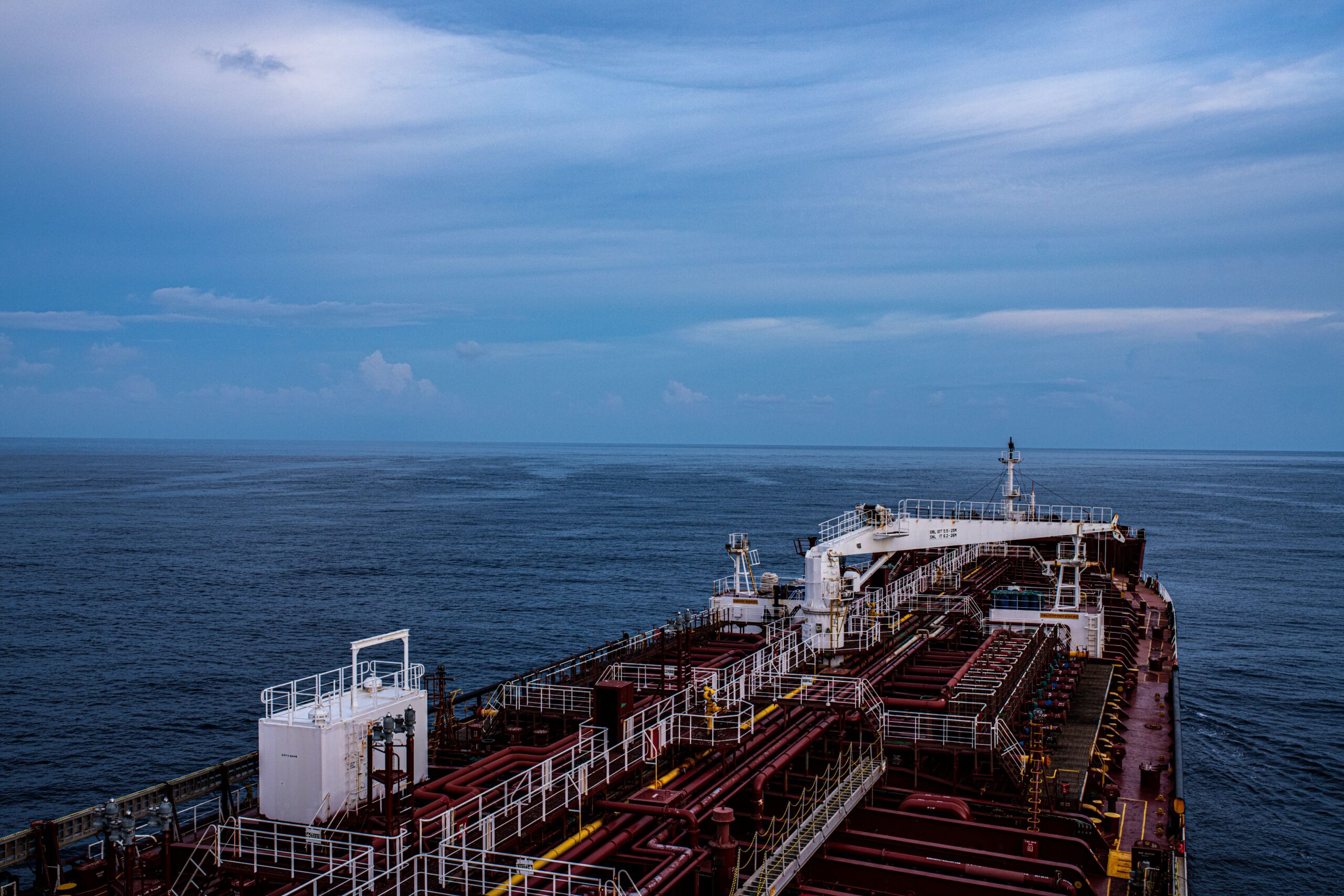
The 180-meter vessel, built in 2013, was subsequently moored at a Kinder Morgan terminal in Bristol, Pennsylvania, where U.S. Coast Guard inspectors were deployed to assess its condition. The bridge, a steel tied-arch structure with a double-leaf bascule span, reopened to vehicles around 8:40 p.m. on Thursday, with one lane remaining closed for repairs. As of the morning of November 13, pedestrian access remained restricted. No injuries were reported in the incident.
The collision has reignited debate over the resilience of critical American infrastructure to maritime incidents, occurring less than two years after the catastrophic collapse of the Francis Scott Key Bridge in Baltimore. In March 2024, the container ship Dali, also flying the Singapore flag, struck a pier of the Key Bridge, causing a major section to collapse into the Patapsco River and killing six construction workers. That disaster fundamentally shifted the national conversation regarding the vulnerability of aging bridges to large commercial vessels.
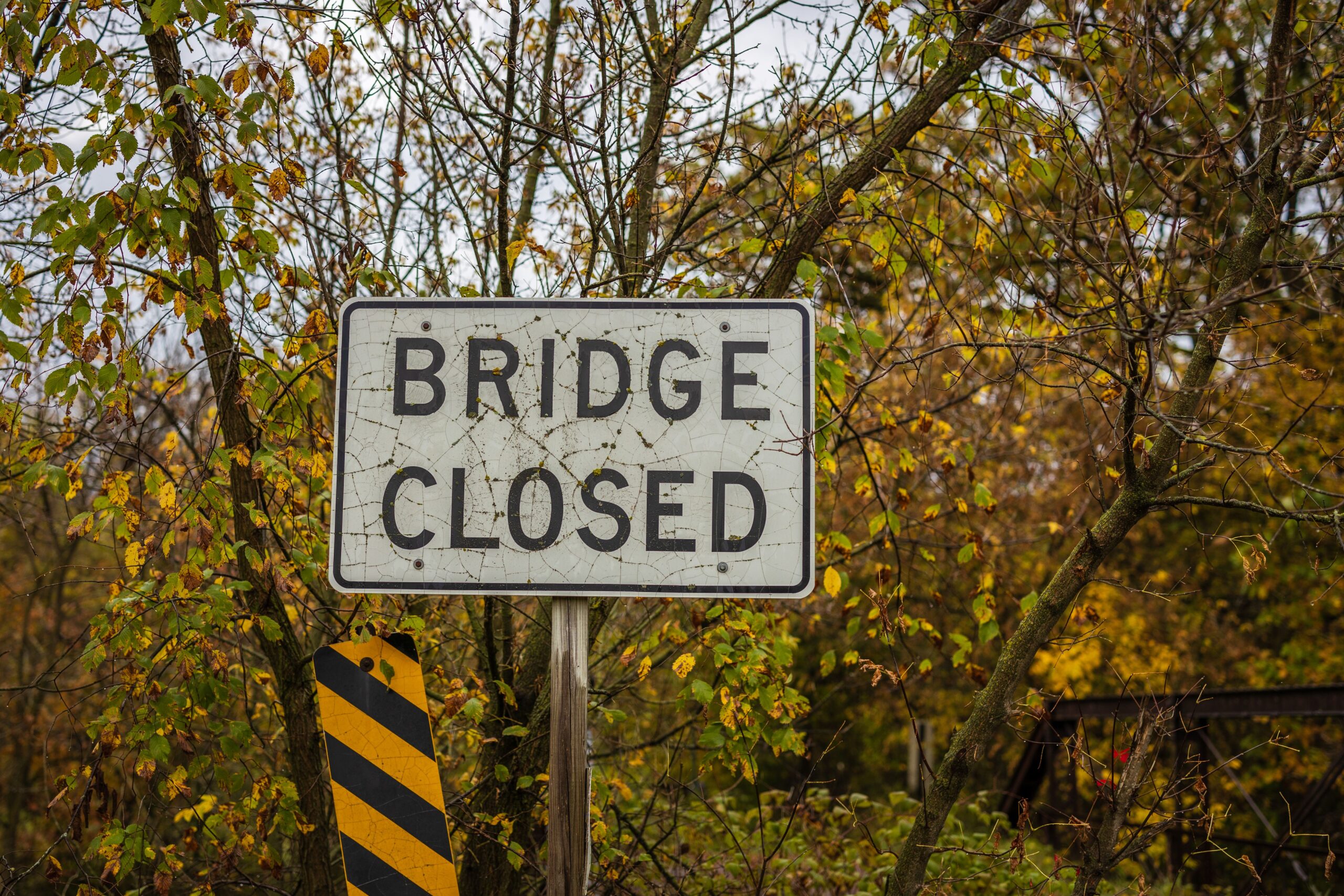
While the damage to the Tacony-Palmyra Bridge was described as minor compared to the Baltimore tragedy, the operational disruption was significant. The bridge, which opened in 1929 and links Palmyra, New Jersey, with the Tacony neighborhood of northeast Philadelphia, carries up to 76,200 vehicles daily. Pennsylvania State Representative Ed Neilson noted in a news release that the bridge’s inability to close caused a major backup on the Philadelphia side. The structure remained open after the collision because another vessel needed to pass through; it was lowered only after that vessel had cleared the channel.
The Tacony-Palmyra Bridge is not without a history of maritime interactions. In April 2018, a southbound ship struck the protective fender of one of the bridge’s stone piers while the bridge was open. In October 2013, a mechanical failure left the bascule span jammed in the open position, closing the bridge for approximately eleven hours. These prior incidents, combined with the recent collision, underscore the complex operational environment of the Delaware River, where commercial shipping and heavy commuter traffic intersect.
In the aftermath of the Baltimore collapse, federal and state authorities have moved to strengthen protections for critical infrastructure. In September, the U.S. Coast Guard published a major review examining bridge and port infrastructure vulnerabilities across 11 ports, producing 20 recommendations for improving maritime risk management. Maryland is currently pursuing a $177 million program to reinforce the Chesapeake Bay Bridge against ship strikes, including the installation of new protective structures around its supporting piers. Similarly, the replacement structure for the Francis Scott Key Bridge will incorporate reinforced pier foundations and collision protection systems specifically designed to withstand impacts from large commercial vessels.
The cause of the Strategic Alliance collision remains under investigation by the Burlington County Bridge Commission and the U.S. Coast Guard. The bridge’s design includes a center span that provides limited vertical clearance, necessitating the opening of the bascule leaves for vessels that require more room. The current incident highlights the persistent risk posed by the convergence of aging infrastructure and heavy maritime traffic, a challenge that continues to shape regulatory and engineering responses across the United States.
As repairs continue on the Tacony-Palmyra Bridge, the focus remains on ensuring the structural integrity of the span while maintaining a safe passage for marine traffic. The incident serves as a stark reminder of the ongoing efforts to balance the economic necessity of port operations with the safety and reliability of the road networks that depend on these critical crossings.