
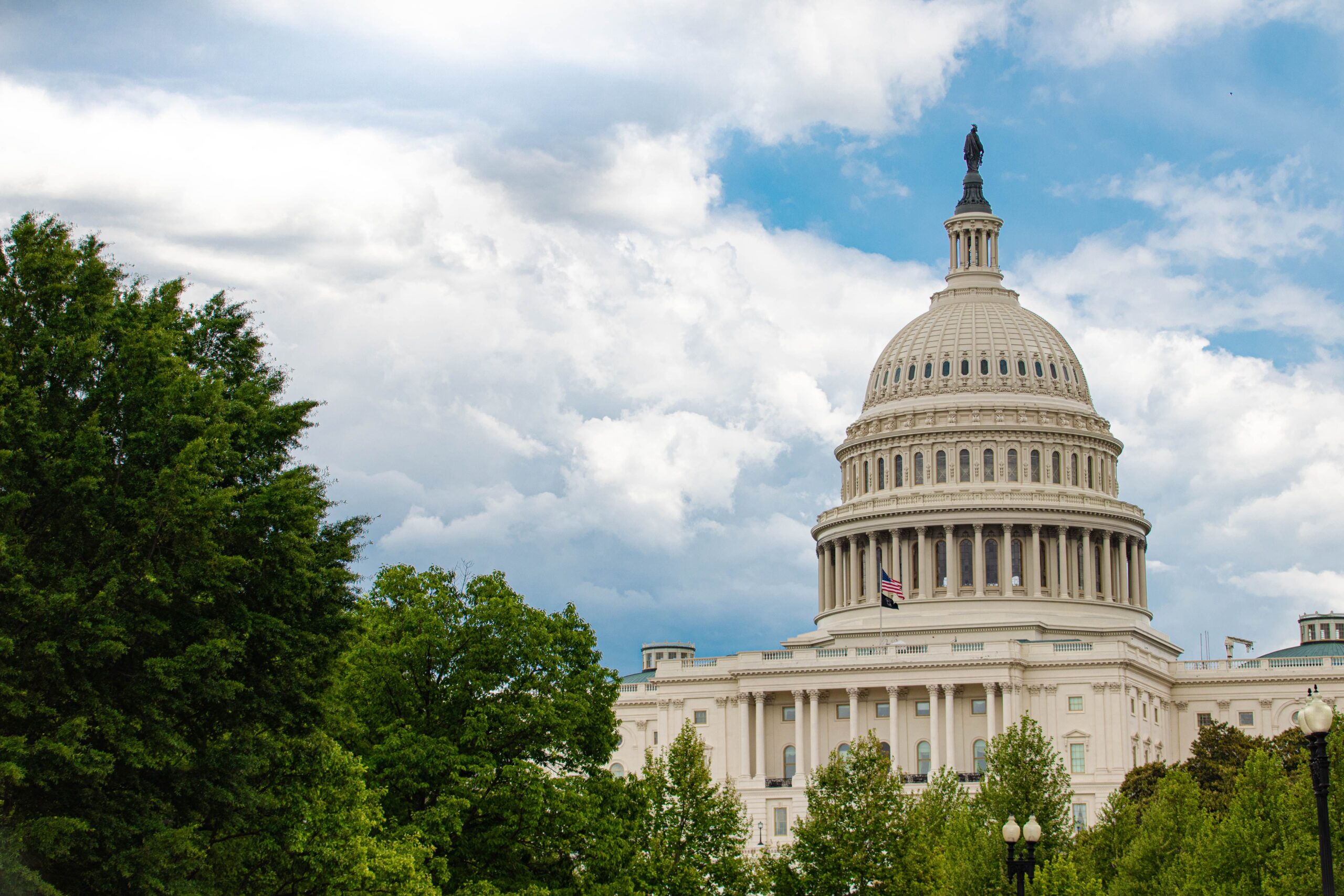
The shift in posture aligns with the broader political landscape as the 120th U.S. Congress prepares to convene. Democrats, having secured a majority, intend to launch vigorous inquiries into a “target-rich environment” of administration actions. These include the Justice Department’s pursuit of investigations into the president’s political opponents, crypto-related deals, pardons, and other executive actions. However, the path to these investigations is heavily contested, with the White House and the Department of Justice (DOJ) coordinating a defense that legal experts and political observers describe as a “standoff.”
Central to this resistance is the administration’s interpretation of recent Supreme Court rulings. In a 2024 decision granting President Trump substantial immunity from criminal prosecution, Chief Justice John Roberts indicated that certain subjects are entirely off-limits to congressional investigators. Roberts wrote that “Congress cannot act on, and courts cannot examine, the president’s actions on subjects within his ‘conclusive and preclusive’ constitutional authority.” These subjects, as defined in the ruling, include issuing pardons, firing subordinates, and deciding “which crimes to investigate and prosecute.” Legal analysts, such as David Manners-Weber of the nonprofit legal affairs website Lawfare, argue that this decision has “quietly weakened Congress’s ability to conduct legislative oversight over the executive branch.”
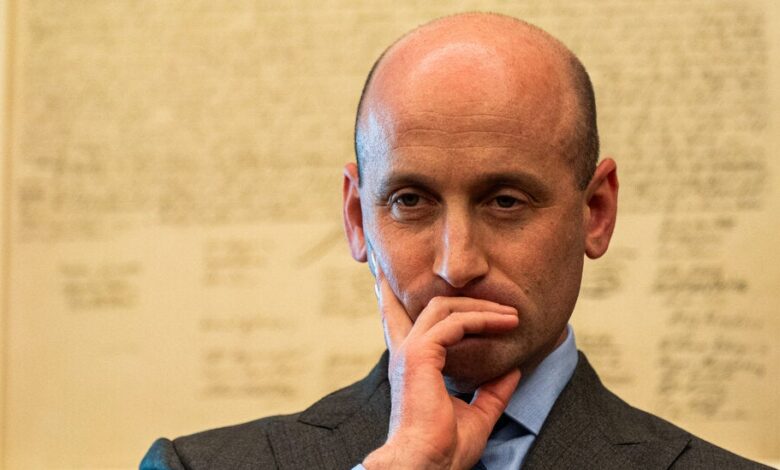
The administration’s strategy is being led in part by Stephen Miller, the new White House chief of staff, who brings extensive experience on Capitol Hill and a history of aggressive political tactics. This pushback is bolstered by a Justice Department and a White House Counsel’s Office that have been preparing for this confrontation. According to reporting from The New York Times, the White House is bracing for a spate of investigations and officials say they are ready to “punch back.” A top aide on the White House Counsel’s team has reportedly warned Democrats that non-compliance with executive orders or refusal to provide information could be treated as a crime, a tactic that seeks to criminalize the act of legislative oversight itself.
The DOJ, which has functioned for nearly two years as an extension of the White House with limited oversight from a Republican-controlled Congress, faces a new era of scrutiny. Under Attorney General Todd Blanche, the department has pursued investigations into the president’s enemies and seen a significant departure of career employees. Blanche has publicly stated that the department will cooperate with Congress but has insisted that “we will not back down” from the Republican president’s agenda. Conversely, a top aide told prosecutors on a call to prepare to be on “wartime” footing, while a U.S. attorney publicly warned a top Democrat about planned congressional investigations.
Democrats in Congress face significant procedural hurdles in enforcing their investigative authority. Lawsuits to compel testimony or document production can take years, and subpoenas are often difficult to enforce. Furthermore, criminal contempt referrals for noncompliance would be sent to the Trump administration’s own Justice Department, where they are unlikely to be acted upon. Stan Brand, a former general counsel for the House of Representatives, described the situation as a standoff, noting, “I don’t know if the Congress knows [the answer to that].”

The administration’s resistance is also driven by concerns for its financial backers. According to aides and public statements, President Trump is increasingly concerned that supporters who contribute to his construction projects will be targeted by Democratic investigators. This adds a layer of personal and financial stakes to the political conflict, further incentivizing the administration to use every available legal tool to shield its allies and decision-making processes from legislative scrutiny.
As the new Congress prepares to launch its inquiries, the legal landscape remains uncertain. It is not clear whether the Supreme Court is willing to mediate disputes between a Democratic Congress and a Republican executive branch, nor if the justices would side with the legislature in such clashes. The coming months will test the boundaries of executive immunity and the effectiveness of congressional oversight powers in an era of intense partisan conflict. The immediate next step lies in the formal initiation of subpoenas and the subsequent legal challenges that will determine whether the executive branch must yield to legislative demands or if the courts will uphold the administration’s claims of preclusive authority.