
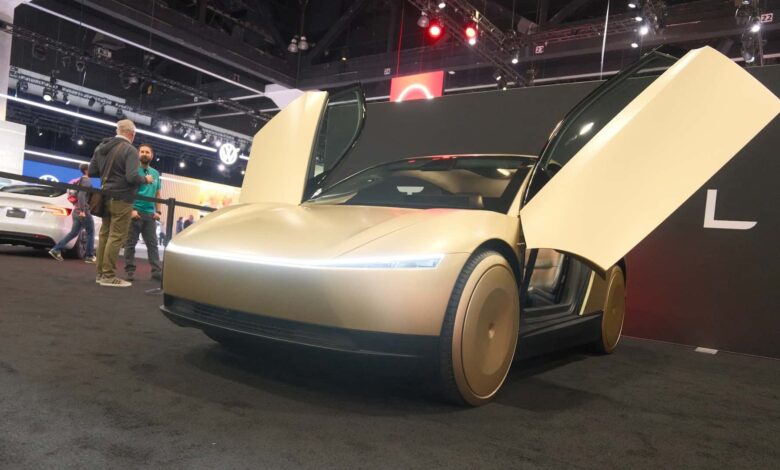
At a base price of $29,990, the Cybercab undercuts the Tesla Model 3 by approximately $7,000, making it the company’s cheapest vehicle to date. This price point aligns with targets Elon Musk set when unveiling the vehicle in October 2024, where he promised a car below $30,000. The estimated delivery date listed on the order page is December 2026, consistent with Tesla’s earlier timeline for customer deliveries before 2027.
Despite the competitive sticker price, the total cost of ownership presents a different picture. The $299 monthly fee adds $3,588 to the annual cost of operating the vehicle, excluding insurance, taxes, and charging. Over a five-year period, the subscription alone would cost roughly $47,600, nearly doubling the initial purchase price of the two-seater. This fee is significantly higher than the $99 per month Tesla currently charges for its supervised Full Self-Driving (FSD) subscription, suggesting a premium for unsupervised operation.
A critical limitation of the personal Cybercab is its operational range. The vehicle does not function anywhere in the country; it is restricted to “supported service areas” where Tesla’s Robotaxi service is already active. According to the sources, these geofences currently cover Austin, Dallas, Houston, Fort Worth, and San Antonio in Texas, as well as Miami, Orlando, and Tampa in Florida. Initial reports suggest the first wave of invitees is limited to Austin, Texas. Outside these specific zones, the vehicle cannot operate, effectively rendering it a stationary object for owners who travel or live outside these cities.
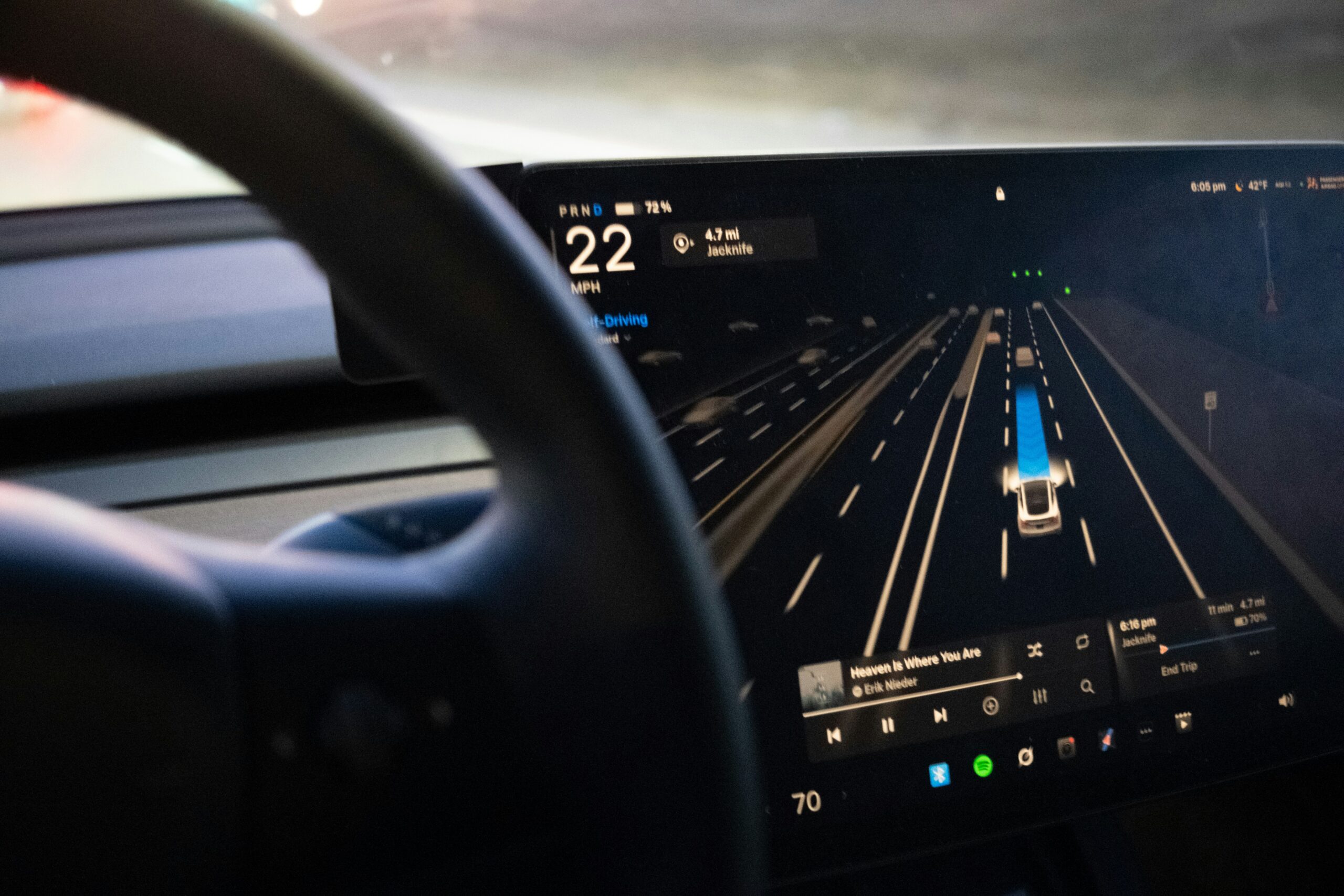
Furthermore, the reliability of these service areas has been questioned by independent trackers. Koby Pierce, who maintains a Robotaxi tracker, found that in six tested cities, actual pickup and drop-off locations covered only 59% to 78% of the advertised geofences. In Austin, where deliveries are expected to begin, the functional coverage was estimated at just 59%. A primary reason for these gaps is the vehicle’s inability to navigate railroad crossings, with some routes in Houston reportedly taking 40 minutes to travel two blocks due to detours around rail lines.
The vehicle’s design also faces regulatory scrutiny. The Cybercab lacks a steering wheel, brake pedal, and accelerator pedal, relying instead on a 21-inch center touchscreen and app-based controls. The National Highway Traffic Safety Administration (NHTSA) has ordered Tesla to prove under oath that a car without a brake pedal meets federal safety standards, which traditionally require such hardware. Tesla responded to the inquiry on October 30 but requested that its answer be kept confidential. NHTSA has not yet issued a ruling, yet Tesla has proceeded to open sales to consumers.
For Tesla, this launch is a pivotal moment after years of missed deadlines regarding autonomous technology. While the company has operated Robotaxi services in a handful of U.S. cities since last year, those vehicles are owned by Tesla and used for ride-hailing. Selling a self-driving car to an individual is a new milestone. However, the move may disappoint the broader Tesla customer base, many of whom have paid for FSD hoping for similar autonomy in their Model 3s and Model Ys. Musk has previously indicated that unsupervised FSD for existing vehicles might arrive in the second quarter of next year, but the Cybercab’s $299 monthly subscription provides an early indication of how Tesla may price that capability in the future.
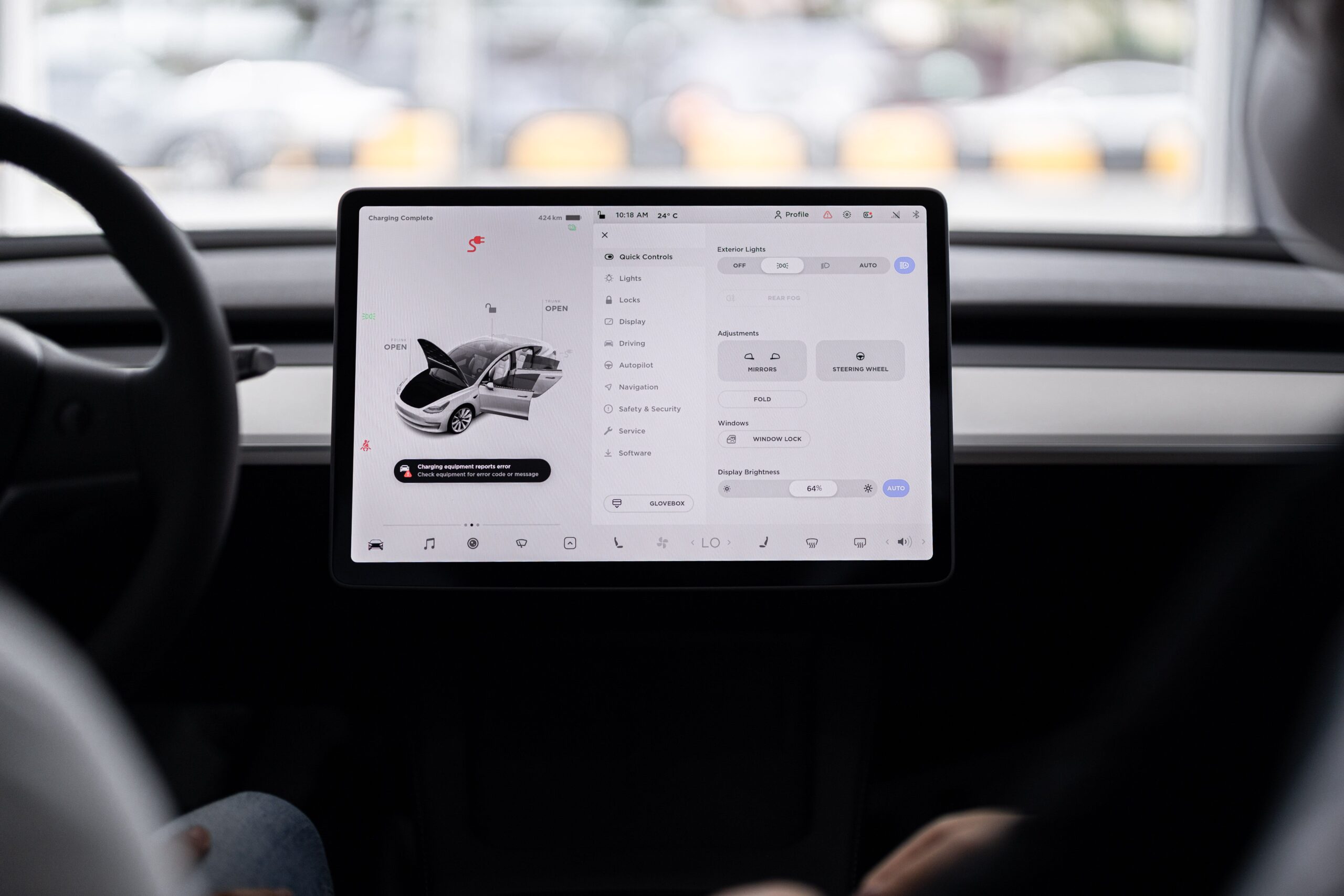
Other automakers are pursuing similar goals through different means. Rivian plans to integrate lidar and a new in-house chip into its R2 vehicle for future self-driving capabilities, while General Motors aims to introduce an “eyes-off” version of Super Cruise in the Cadillac Escalade IQ by 2028, initially limited to highways. In contrast, Tesla’s Cybercab is marketed as a fully autonomous vehicle for personal use from the outset, though its practical utility remains heavily constrained by geography and the unresolved regulatory questions surrounding its pedal-less design.
The next major checkpoint for the Cybercab will be the NHTSA’s decision on the safety compliance of the vehicle’s controls, as well as the actual commencement of deliveries in December 2026. Until then, the vehicle remains a high-stakes experiment in commercializing Level 4 or 5 autonomy for the consumer market.