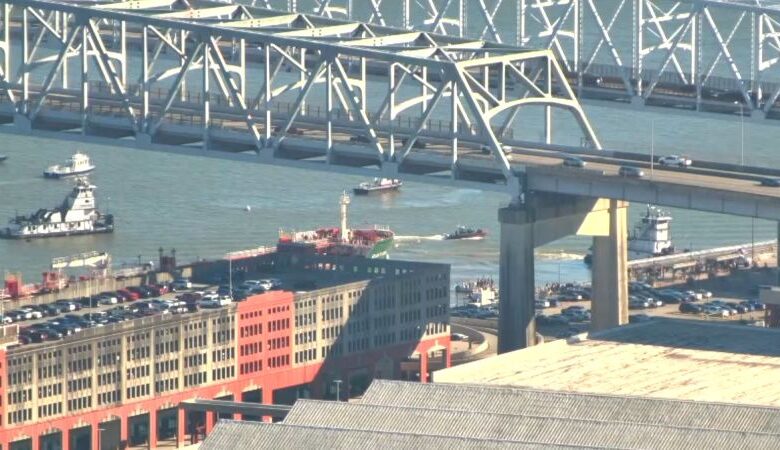
The collision, which occurred earlier this afternoon, resulted in a complex search and rescue operation involving local, state, and federal agencies. Nearly 130 people were on board the cruise ship at the time of the accident. According to New Orleans Mayor Helena Moreno, all passengers have been accounted for, a fact she described as a “miracle.” Thirty-two passengers were transported to local hospitals, including University Medical Center New Orleans and other facilities within the LCMC Health system. While the patients are currently being evaluated, officials confirmed that none of the injuries are critical. Moreno expressed gratitude to the first responders and Louisiana Governor Jeff Landry, who is expected to address the public alongside Coast Guard officials.
The environmental and logistical implications of the crash are significant for the Port of New Orleans, a critical node in the global supply chain. Mayor Moreno stated that the priority following the immediate rescue efforts is to reopen the river as soon as possible to maintain commerce. She indicated that traffic will likely be restricted to one-way flow initially to ensure safety while operations resume. The U.S. Coast Guard, under the Department of Homeland Security, is working with salvage assistance teams to remove the vessels from the area. Department of Homeland Security Secretary Markwayne Mullin announced that the agency is “throwing every asset we have” to support the state in rescues and recovery, emphasizing the coordination between federal and local authorities.
Investigative efforts are currently underway at the scene to determine the cause of the collision. Initial reports from the mayor indicated that the tanker “lost control” prior to the impact. The exact mechanical or navigational failures leading to the loss of control remain under investigation, with no final conclusions yet established. The presence of the tanker and the cruise ship in close proximity highlights the density of traffic on the lower Mississippi, a waterway that supports substantial commercial and recreational activity. The incident has drawn national attention, with officials holding joint press conferences to provide updates on both the medical status of the injured and the progress of the salvage operations.
The response to the capsized vessel demonstrates the efficacy of coordinated emergency management in a major port city. Firefighters and rescue crews were quickly on the scene, assisting individuals in the water and transferring them to tugboats for safety. The hospital system involved has stated that its medical teams are providing appropriate care while coordinating closely with emergency responders, promising additional information as the situation evolves. The absence of fatalities in an incident of this magnitude—where a vessel capsized with over 100 occupants—underscores the success of the immediate rescue operations, though the psychological and physical toll on the passengers and crew continues to be assessed.
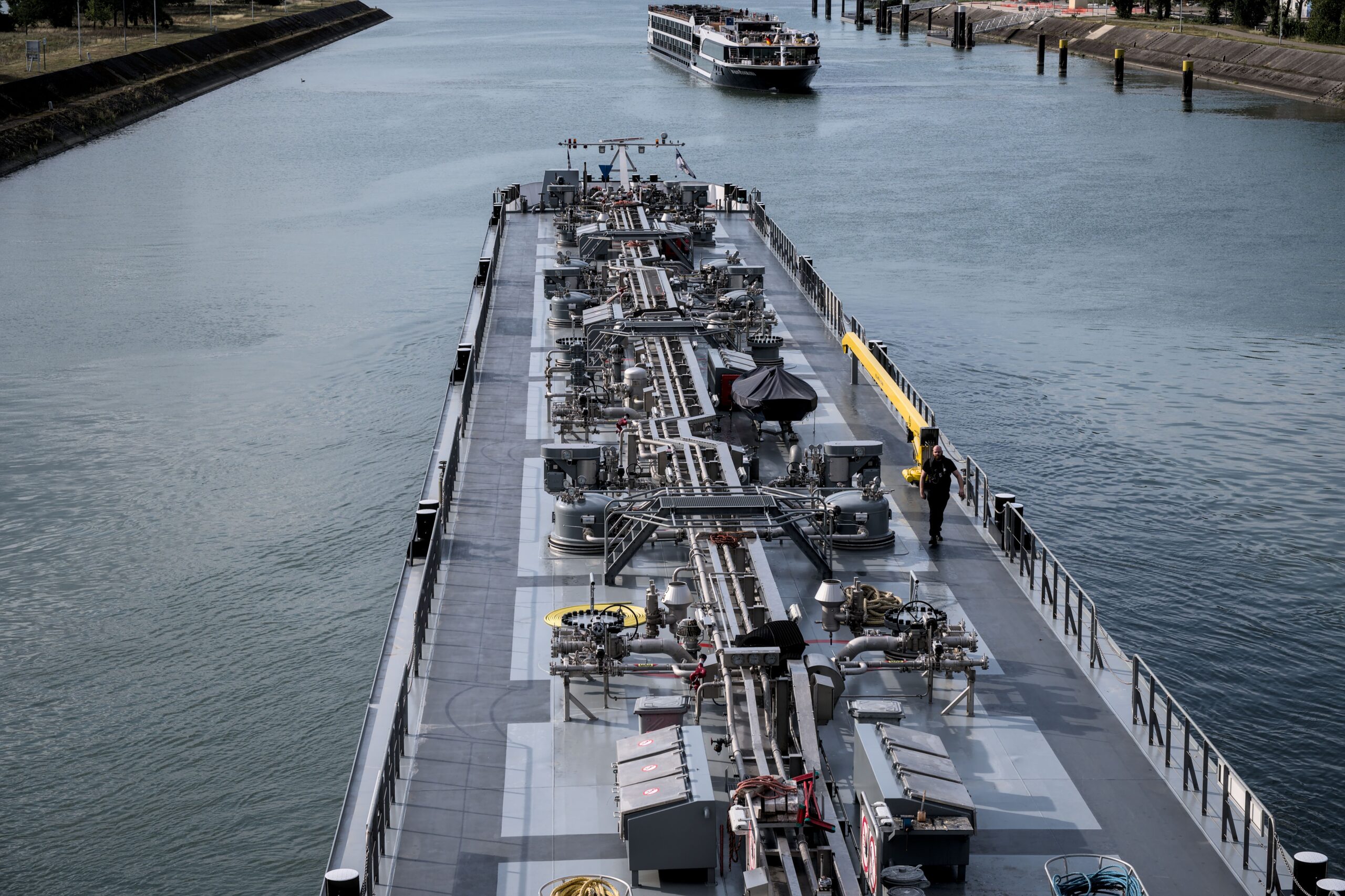
As the Coast Guard and salvage teams work to stabilize and remove the wreckage, the focus shifts to restoring normal operations on the river. The temporary disruption to shipping lanes poses challenges for cargo logistics, but authorities have prioritized a phased reopening to balance safety with economic continuity. The investigation into why the tanker lost control will likely involve a detailed review of navigational data, weather conditions, and vessel machinery, providing critical lessons for future maritime safety protocols on the Mississippi. For now, the immediate threat has been mitigated, with all individuals accounted for and the infrastructure of the port being carefully restored to function.