
The breakdown has intensified tensions between two closely integrated economies. Carney rejected Lutnick’s characterization on Thursday, stating, “I don’t think, with all respect, appointed, unelected Cabinet members in the United States are experts on Canadian politics.” He added that Canada remains ready to negotiate a mutually beneficial deal “when the Americans are ready.” In response, Trump posted on Truth Social that it is “very good for Canadian Politicians like Prime Minister Carney to make President Donald J. Trump ‘the enemy,’ until their Economy collapses,” warning that the political consequences would be severe.
Disagreements centered on several key issues, including tariff relief for medium- and heavy-duty trucks, which Lutnick said Canada attempted to add just hours before the deadline. A significant point of contention was the U.S. objection to Canadian regulations mandating investment in French-language content. U.S. Trade Representative Jamieson Greer initially dismissed claims that U.S. negotiators targeted French language protections, calling them a “funny, fake story” and emphasizing that U.S. concerns focused on forcing American tech companies to fund Canadian competitors. However, Greer later told Canadian broadcaster CBC that the U.S. government recognizes the “importance and sensitivity of the French language in Canada,” a stance that was undermined hours later when Trump signed an executive order renaming Lake Ontario to Lake America.
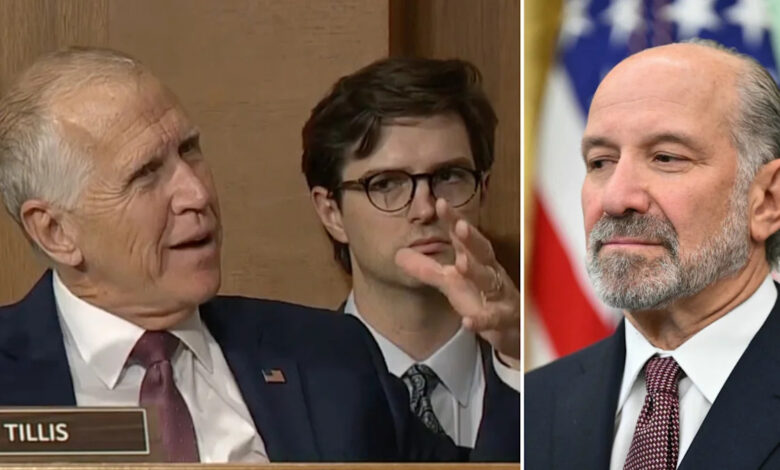
The trade impasse has generated political friction within the Republican party. Senator Thom Tillis of North Carolina, a state with 41,300 farms and significant livestock and poultry output, criticized the administration’s “Liberation Day” tariff rollout from April 2025. Tillis told reporters that he now knows whose throat he should “choke” because the tariffs have failed to deliver for American farmers. “We’ve got 71 days [until the midterm elections], and right now we don’t have a positive message to sell farm country,” Tillis said, blaming Lutnick for the failure. He warned that tariffs squeeze farmers from both directions by raising the cost of imported supplies while exposing U.S. exports to retaliation.
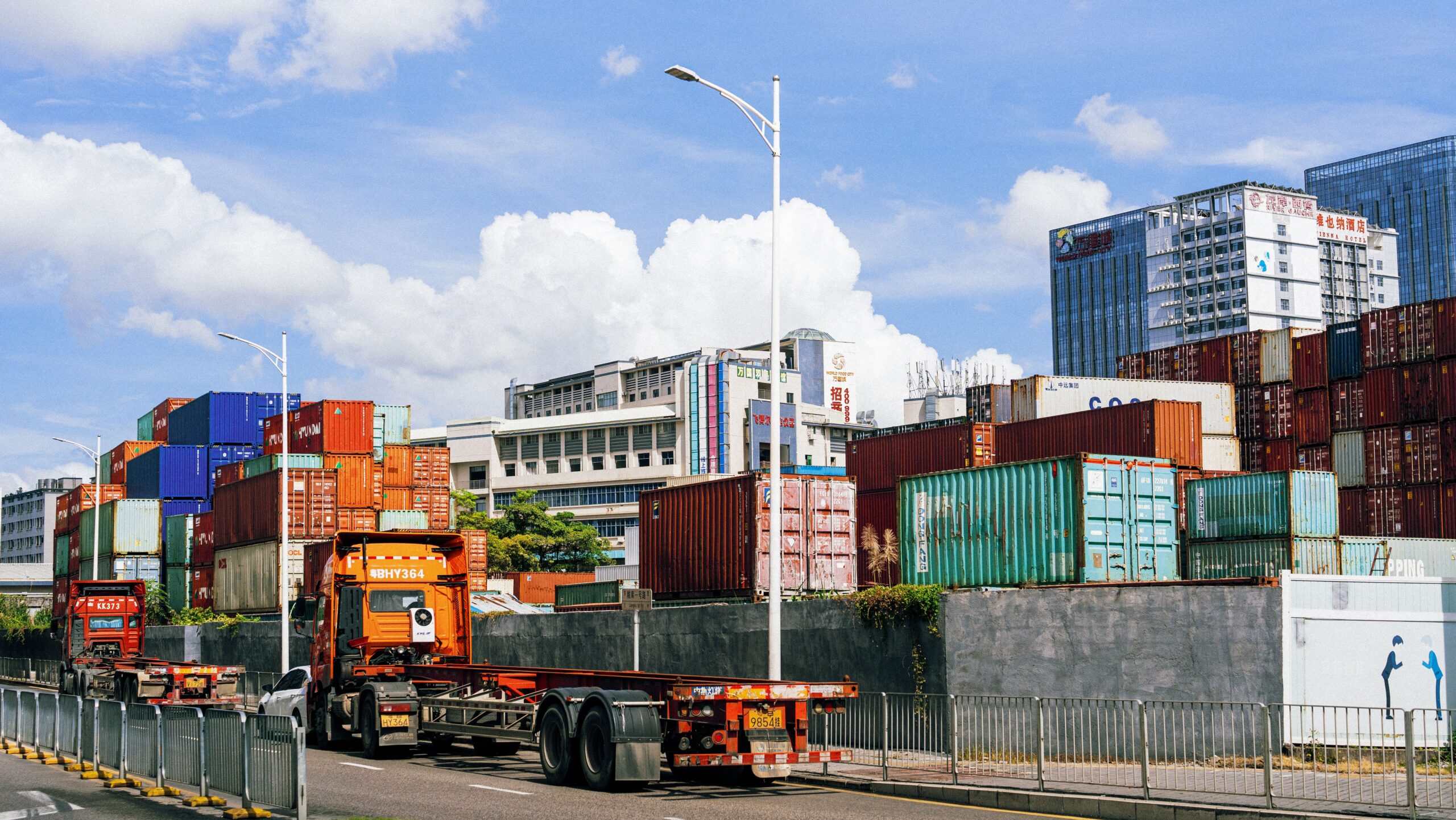
The collapse of these negotiations leaves both sides facing higher costs for consumers and businesses. While Greer has sought to de-escalate the language dispute, the imposition of new tariffs next week is expected to impact supply chains and prices in sectors ranging from agriculture to technology. The next major deadline remains the implementation of the retaliatory duties, which both nations have confirmed will proceed as scheduled next week unless a new agreement is reached.




2 Comments