
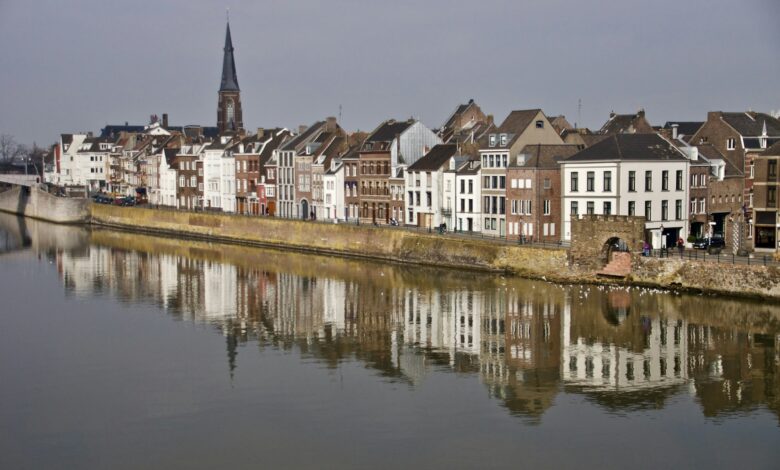
The selection of Grave is notable for its rarity; it is the first time in 26 years that a municipality in Brabant will host the national arrival. The previous instance was in Woudrichem in 2000, with the one before that in Breda in 1976. According to the municipality of Land van Cuijk, the event is expected to attract between 15,000 and 17,000 visitors, a figure cited by the local paper *Stad aan de Maas* in September 2026. The ceremony will be broadcast live on NPO Zapp (NPO 3), extending the reach of the event to audiences across the Netherlands who cannot travel to the riverbank. For international visitors, particularly from the UK or US, logistics present a specific challenge: Grave has no train station, requiring travelers to plan their arrival via the Maaskade or surrounding roads, as the town’s infrastructure is not designed for direct rail access to the quay.
While the logistical and celebratory aspects of the arrival are well-defined, the event continues to serve as a backdrop for increasingly acrimonious social confrontations. The central point of contention remains the character of “Black Pete” (Zwarte Piet), the traditional sidekick to Sinterklaas. Historically, this character was depicted with blackface makeup, thick wigs, and red lips. In recent years, the portrayal has become a flashpoint between supporters who view the character as a traditional, non-racial children’s figure and opponents who argue that the depiction perpetuates racist stereotypes.
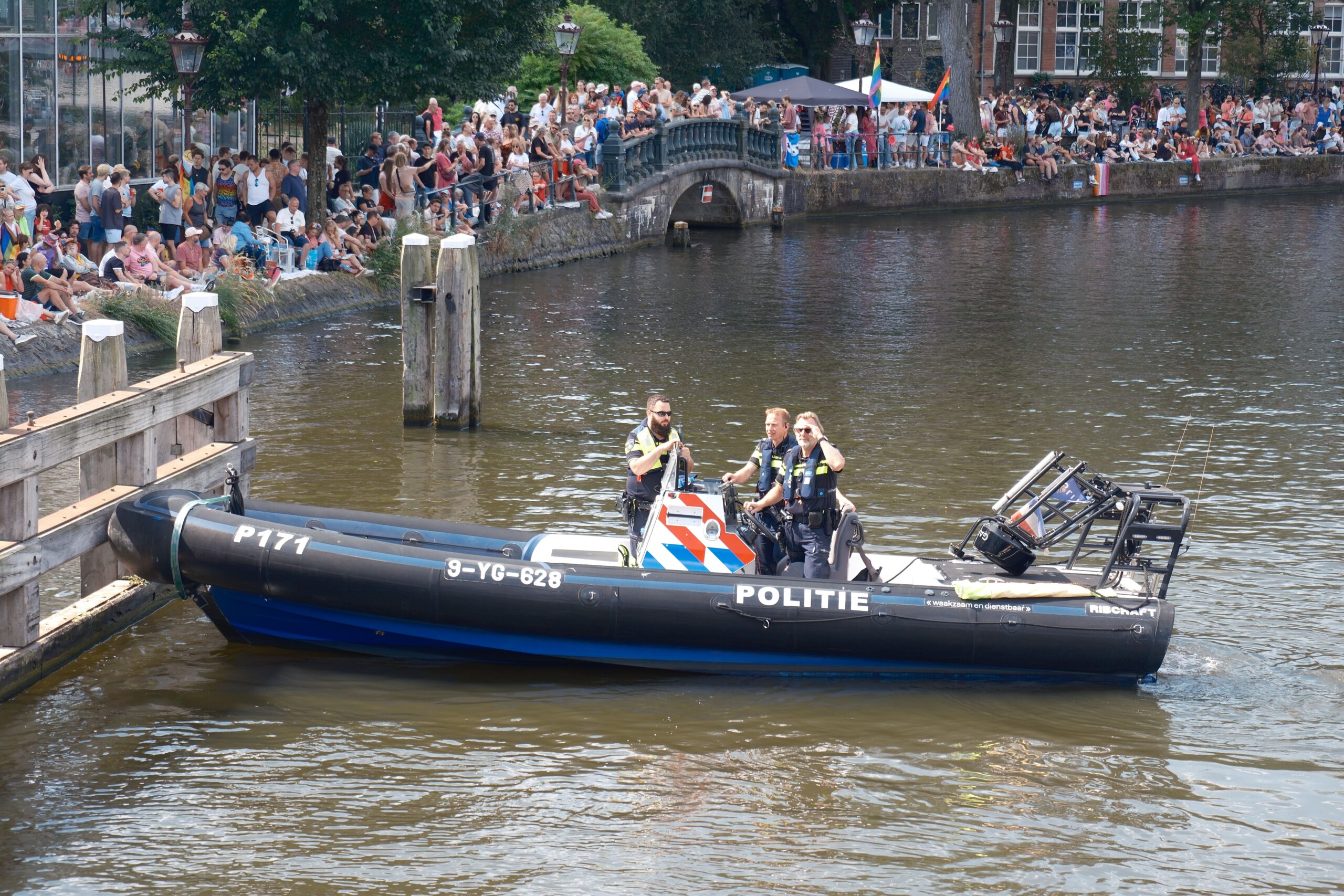
In previous years, such as the arrival in Apeldoorn, the tension reached a level where police presence was high, and specific measures were taken to manage the crowd. In that instance, organizers for the official arrival opted out of full blackface makeup, instead using smears of soot on the faces of the “Petes” to represent the residue from climbing chimneys. This “Sooty Piet” variation has since been adopted by more municipalities, including Amsterdam, as a compromise that retains the costume’s traditional elements while addressing the most visually controversial aspects of the makeup. However, the transition has not resolved the debate entirely. In The Hague, for example, hundreds of anti-blackface protesters have gathered in parks during parade days, laying out umbrellas with messages such as “Black Pete is Racism.” Conversely, supporters have also organized demonstrations, and in one notable incident, a leader of the anti-immigrant movement PEGIDA, wearing a Pete costume and blackface, was detained by police in Apeldoorn for refusing to leave a designated demonstration area.
The 2026 arrival in Grave occurs in this complex social landscape. While the provided sources do not specify the exact makeup policy for the 2026 parade in Grave, the broader trend indicates a move away from full blackface in official, nationally televised events. The presence of the “Sooty Piet” model suggests a standardization of this compromise across major celebrations. For local communities, the event remains a significant economic and cultural driver, with festivities including street parties, DJs, and the distribution of traditional sweets like *pepernoten* and marzipan animals. In other cities such as Tilburg, where Sinterklaas has visited for 125 years, and Roermond, the celebrations continue with similar fervor, often accompanied by “Saint Villages” and meet-and-greets.
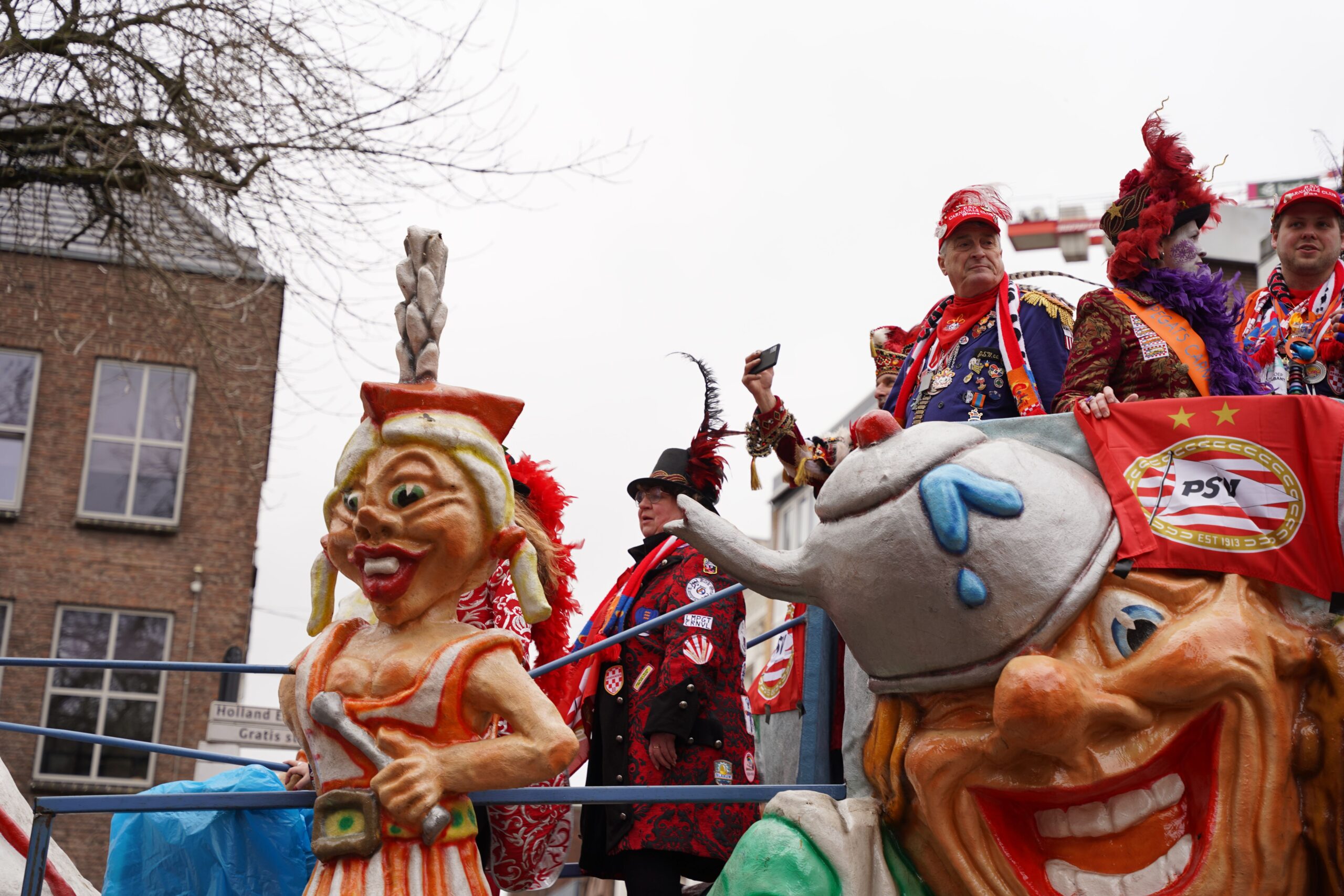
The environmental and logistical footprint of the event is substantial, with the Maaskade serving as the primary focal point for both the arrival and the crowd management. The Maas river, which defines the historic center of Grave, acts as the gateway for the steamboat, a vessel that has become an iconic symbol of the season. The lack of a train station means that the influx of 15,000 to 17,000 visitors relies heavily on road networks, placing pressure on local infrastructure. The municipality advises checking the official agenda the day before the event, as times and locations can change, a precaution that reflects the scale and dynamic nature of the crowd management required.
As the steamboat docks on Maaskade, the scene will likely mirror previous years: a mix of cheering children, high-fives, and candy, set against the backdrop of a community navigating the boundaries of tradition and modern social values. The event in Grave is not merely a holiday celebration but a microcosm of the Netherlands’ ongoing cultural negotiation. While the immediate impact is festive, the underlying tensions regarding the portrayal of Zwarte Piet remain a persistent element of the national discourse. For the residents of Grave and the thousands of visitors arriving from across the country and abroad, the 14th of November will be a day of visible tradition, carefully managed crowds, and a continued, if quieter, debate on what constitutes acceptable cultural expression in a changing society.