
The initiative addresses a widening concern regarding the vulnerability of critical infrastructure. In modern conflicts, such as the long-running war in Ukraine, power stations, electrical grids, and oil refineries have been increasingly targeted. FORTRESS is structured to ensure that U.S. military installations can continue operating for months, even if the commercial grid or traditional supply networks face sustained disruption. The initiative sets a 90-day goal for initial resilience measures, reflecting the assessment that future conflicts could involve prolonged attacks on energy and supply networks.
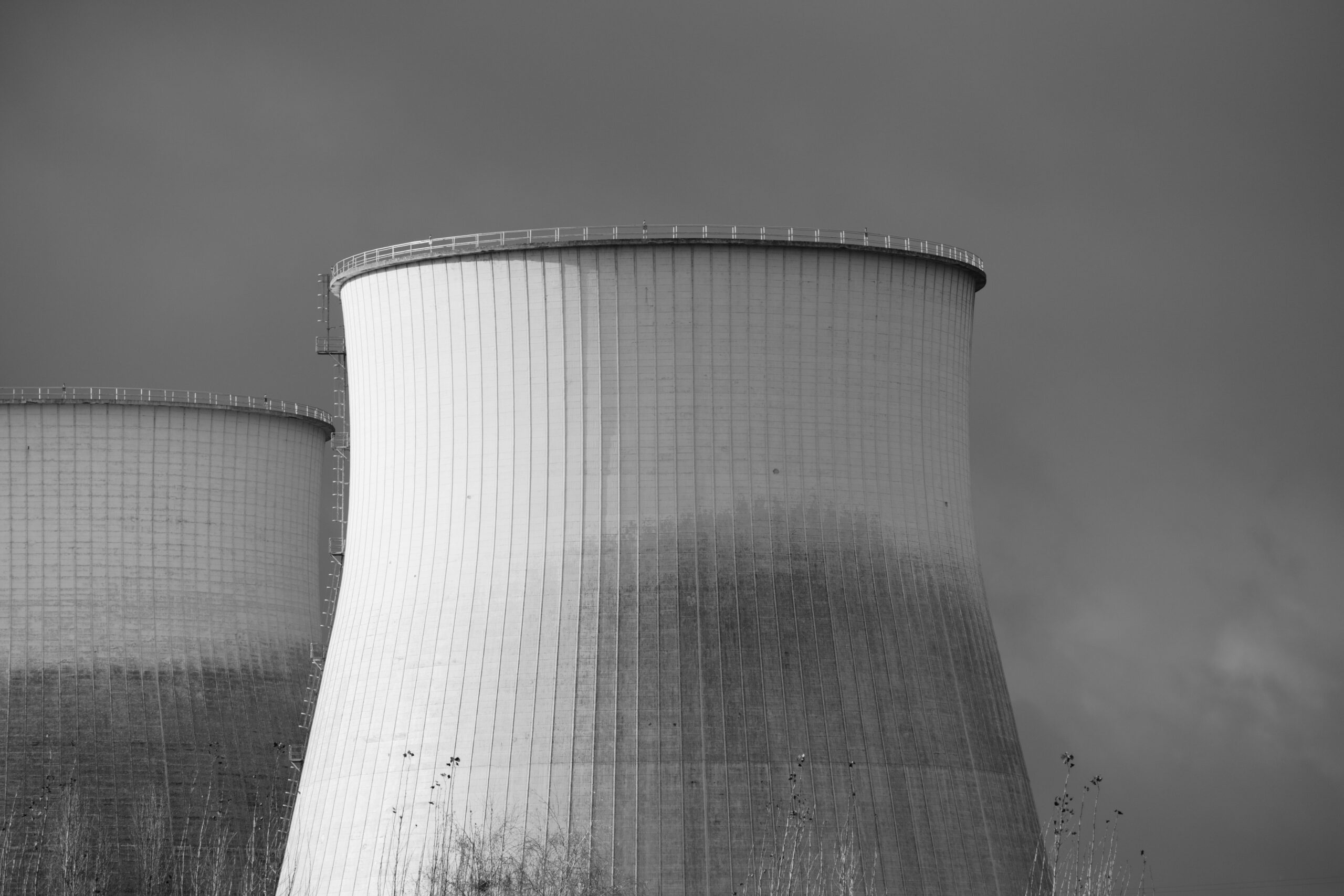
While FORTRESS provides the overarching strategic framework, the U.S. Army’s Janus program serves as the primary technical mechanism for achieving energy independence. Unveiled in October 2025, Janus is a next-generation nuclear power program aimed at delivering resilient, secure, and assured energy to support national defense installations. The core of this effort involves the deployment of commercial nuclear microreactors—small-scale nuclear power plants capable of producing electricity and heat independently of the commercial power grid.
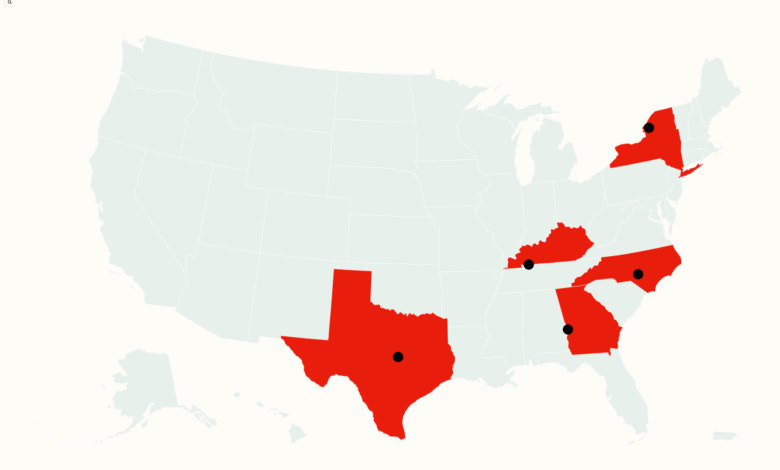
In August 2026, the Army announced the selection of five military bases for the first wave of microreactor deployments, along with the vendors responsible for their construction. The goal is for the first of these reactors to be operational by September 2028. The selected sites and their respective contractors are:
- Fort Bragg, North Carolina: Antares Nuclear Inc.
- Fort Campbell, Kentucky: BWXT Advanced Technologies LLC
- Fort Hood, Texas: General Atomics Electromagnetic Systems
- Fort Benning, Georgia: Radiant Industries Inc.
- Fort Drum, New York: Westinghouse Government Services
These microreactors are designed to provide a steady, around-the-clock source of electricity that does not depend on external fuel deliveries or the stability of the commercial grid. By decoupling military energy needs from public utility infrastructure, the Army aims to mitigate risks associated with cyberattacks, extreme weather events, and physical attacks. The long-term vision extends beyond this initial five-site rollout; the Department of Defense plans to build more than 20 nuclear microreactors across various military sites.
The move toward military energy self-sufficiency is not isolated to the United States. Last week, British officials encouraged households to stock basic emergency supplies for short-term disruptions, such as storms and infrastructure failures, as part of its “Be Ready” campaign. This global emphasis on preparedness underscores a broader recognition that energy reliability has become a critical component of national security. However, the scope and technical ambition of FORTRESS and Janus represent a distinct step, moving from household-level preparedness to the structural hardening of sovereign military infrastructure.
Despite the clear strategic intent, the execution of these plans faces significant hurdles. The Center for Strategic and International Studies (CSIS), a Washington, D.C.-based think tank, has described some of the FORTRESS goals as “extremely ambitious,” noting that the initiative could take years to fully enact. The complexity of integrating nuclear technology into existing military bases, alongside the broader supply-chain and cyber-resilience requirements, suggests that the timeline for full implementation will be protracted.
Officials have been careful to clarify that neither Janus nor FORTRESS is a response to any specific imminent threat. Instead, both initiatives are framed as proactive measures to improve energy resilience and ensure critical operations can continue during various types of disruptions. The Pentagon did not provide further comment on the specific operational details of the 90-day resilience goals or the logistical challenges of the microreactor deployments.
As the first wave of microreactor construction begins at Fort Bragg, Fort Campbell, Fort Hood, Fort Benning, and Fort Drum, the U.S. military is effectively building a parallel energy system. This system is designed to operate in isolation from the commercial grid, ensuring that even if the broader national energy infrastructure faces severe stress, the core capabilities of the armed forces remain intact. The next verified development will be the progress toward the September 2028 operational target for the first microreactors, a milestone that will test the technical feasibility of the Janus program’s promise of independent, secure power.




3 Comments