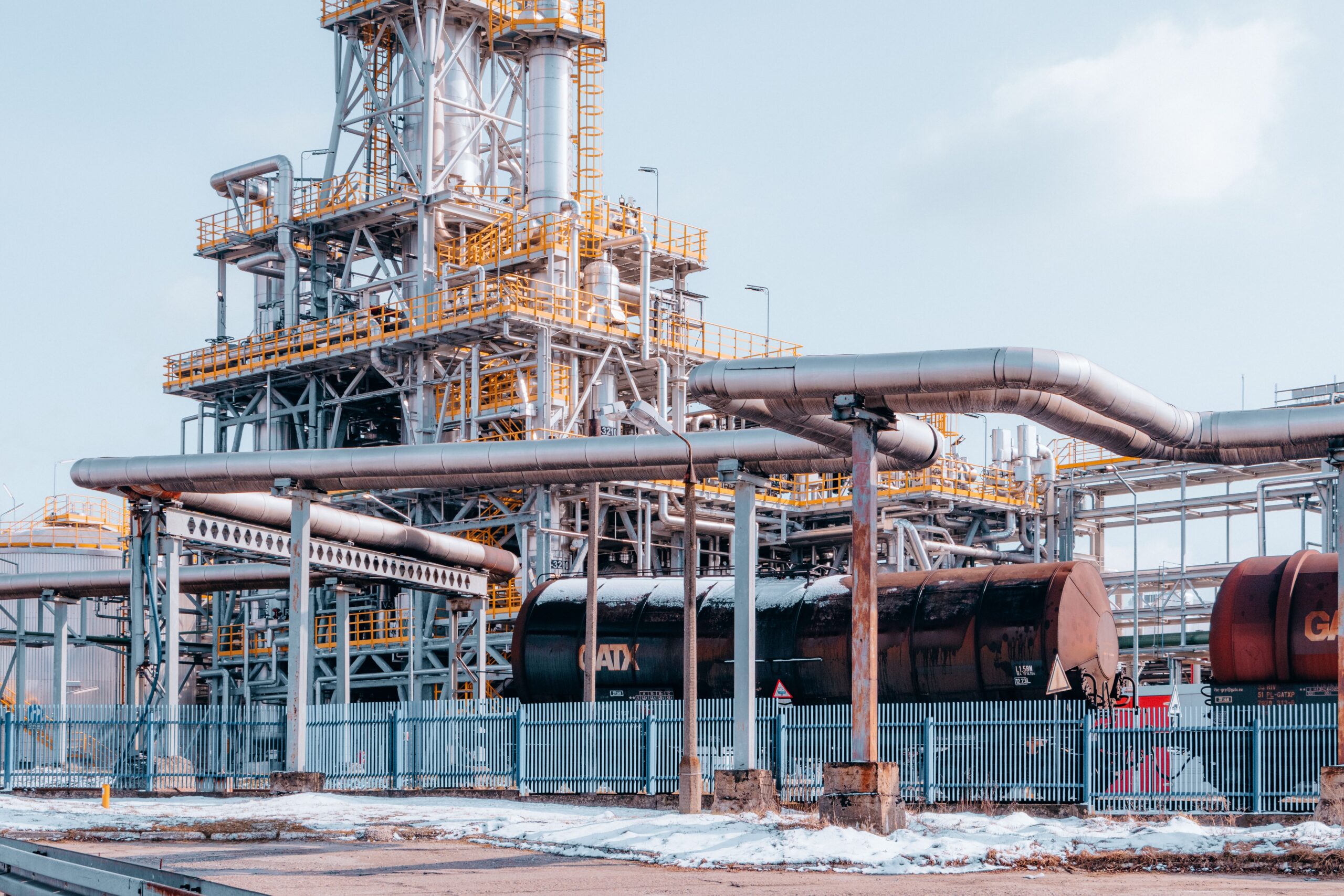
The attack on the Samara LPDS, located near the village of Prosvet in Samara Oblast, reportedly ignited fires in several oil storage tanks. The facility is situated approximately 950 kilometers east of Ukrainian-controlled territory, placing it deep within Russian strategic rear areas. According to the AFU, the station serves as a critical node in Russia’s petroleum export network, receiving crude oil via trunk pipelines from Tatarstan, Western Siberia, and other oil-producing regions.
The primary function of the Samara LPDS is the blending of various crude grades to produce Urals, the flagship export blend that the AFU states accounts for up to 50% of Russia’s total oil exports. “Therefore, every damaged tank in Samara strikes directly at the main source of money from which the aggressor pays for missiles, drones, and the war against Ukraine,” the General Staff stated. The facility has been a repeated target in Ukraine’s broader campaign of deep-strike operations against Russian energy infrastructure.
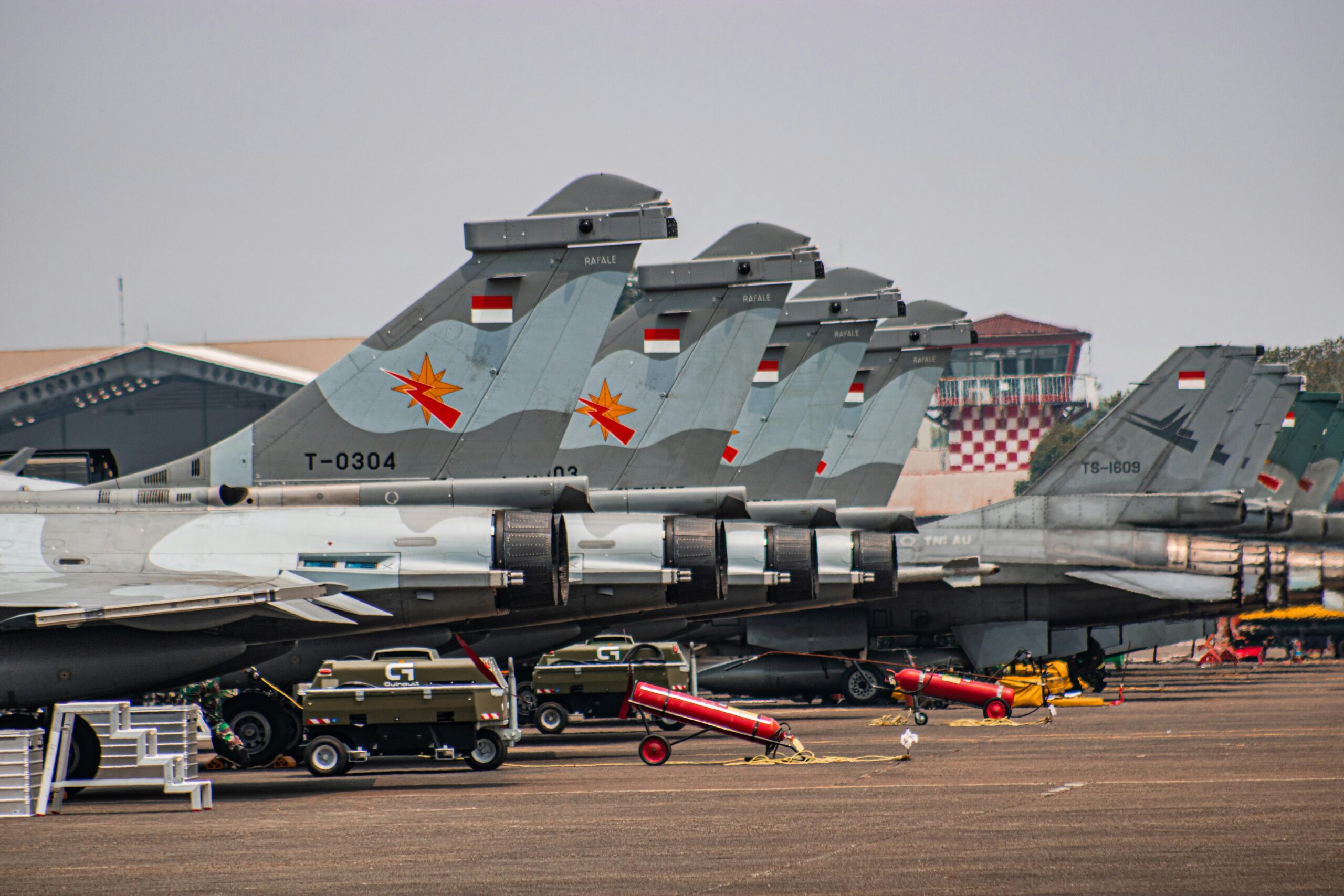
Simultaneously, Ukrainian forces targeted the Lipetsk-2 military airfield in Lipetsk Oblast, located more than 340 kilometers from the border. The AFU confirmed that the strike hit three specific targets: a hangar housing specialized aircraft maintenance equipment, an aviation fuel storage tank, and the airfield’s central command and dispatch post. Military planners note that degrading ground support machinery, fuel reserves, and flight control infrastructure directly reduces the operational tempo of Russian tactical aircraft, which utilize the base to launch guided bombs and missiles against Ukrainian territory.
Lipetsk-2 is a known host base for the Russian Aerospace Forces, with sources indicating the presence of Su-34 strike fighters, Su-35 multirole fighters, and MiG-31 interceptors. The base has faced repeated attention from Ukrainian operations; in December 2025, Ukraine’s military intelligence (HUR) claimed that pro-Ukrainian partisans set fire to two Su-30 fighter jets at an airfield in the Lipetsk region. The current strike marks the most recent in a series of incidents targeting Russian aviation assets and support infrastructure in that sector.
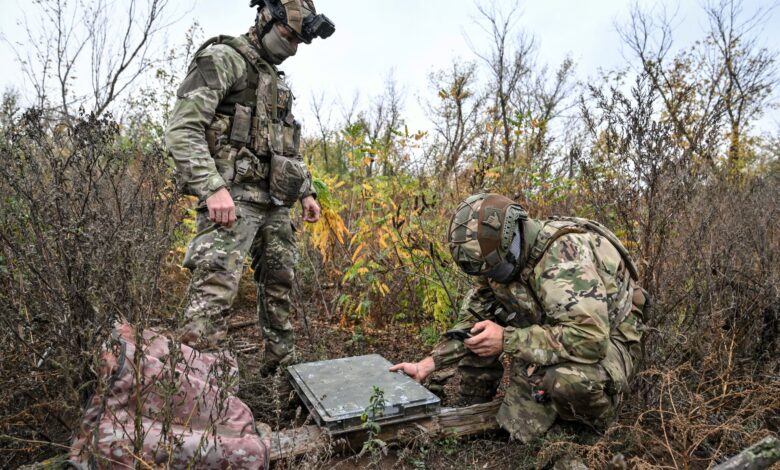
The AFU attributed the strike on the Samara oil facility to long-range drones deployed by the Special Operations Center “A” of the Security Service of Ukraine (SBU). While the Ukrainian military has confirmed the launch and impact of the drones, independent verification of the extent of damage to the Samara LPDS and the specific aircraft losses or infrastructure damage at Lipetsk-2 remains limited. Russian authorities have not released independent assessments of the damage or casualty figures for either location.
These operations occur against a backdrop of expanding Ukrainian long-range strike capabilities. In a separate operation overnight into Nov. 13, the Ukrainian Navy deployed land-attack Neptune cruise missiles against three drone-related facilities in Rostov-on-Don, including a production workshop and storage site. The combination of cruise missile and long-range drone strikes indicates a continued Ukrainian effort to degrade Russia’s military-industrial base and energy revenue far beyond the immediate frontline.
The strikes highlight the growing reach of Ukrainian asymmetric warfare, targeting strategic assets that are geographically distant from the active combat zone. By hitting the blending hub for Urals crude, Kyiv aims to impose economic pressure on the Russian war effort, while the damage to Lipetsk-2 seeks to disrupt the air campaign against Ukrainian cities. The precise impact on Russia’s oil export volumes and the readiness of its tactical aviation units will be key indicators in the coming weeks.
The next focus for assessment will be on the operational status of the Lipetsk-2 airbase and any reported disruptions to oil flows through the Samara LPDS, which could influence broader energy market dynamics and Russia’s fiscal capacity to sustain its military operations.